Meaning
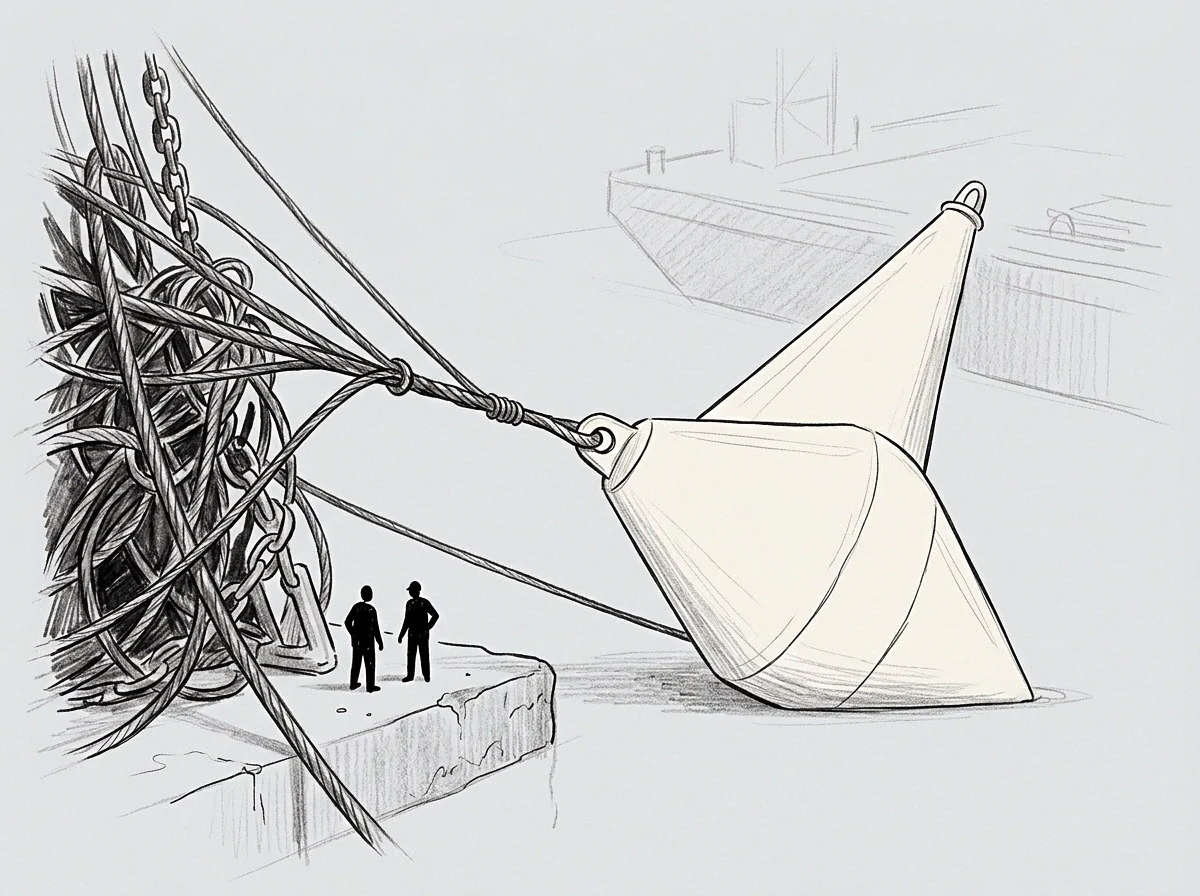
Unused capacity represents the surplus bandwidth within an organization that remains idle due to rigid process structures or resource allocation errors. Latent potential functions as a measure of the delta between current output levels and the maximum throughput an operation sustains under peak utilization. This metric ignores vanity projections to focus strictly on the conversion efficiency of existing assets.
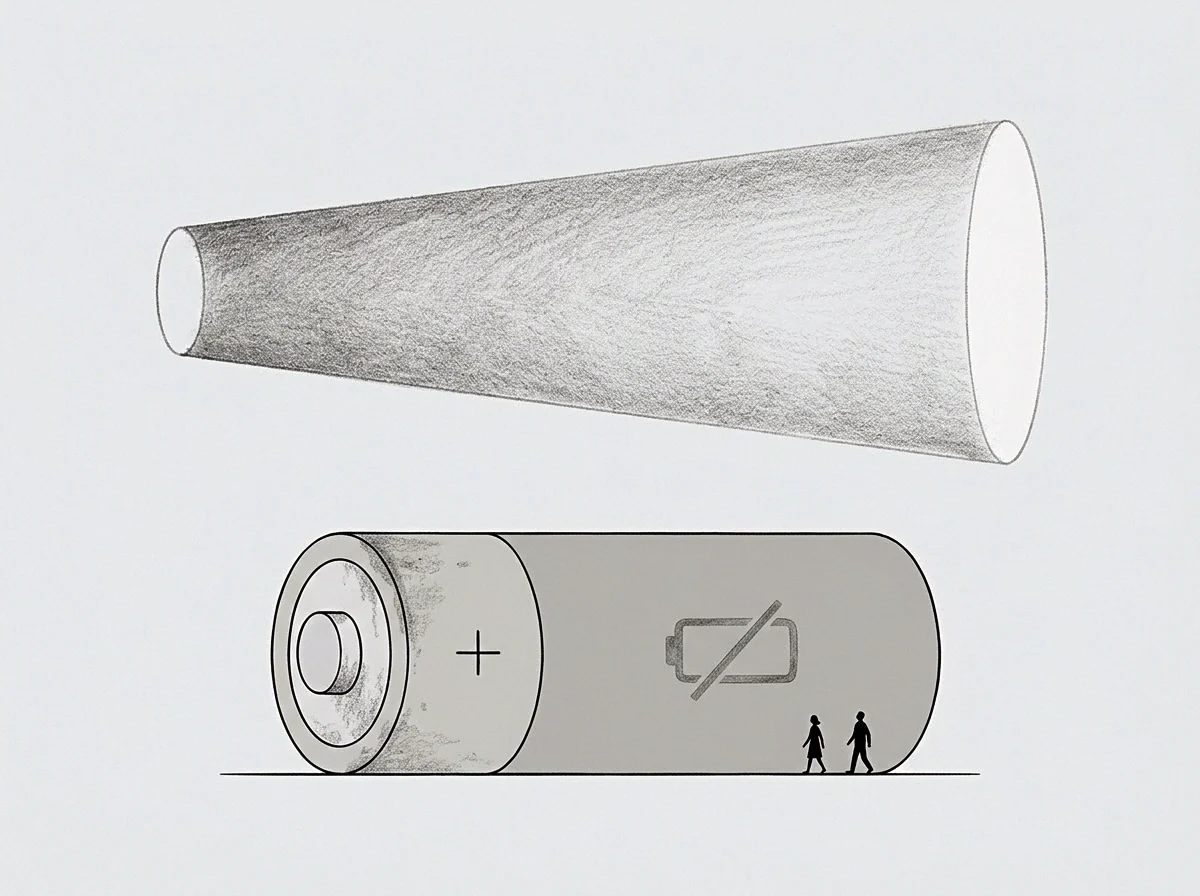
Capacity Variance
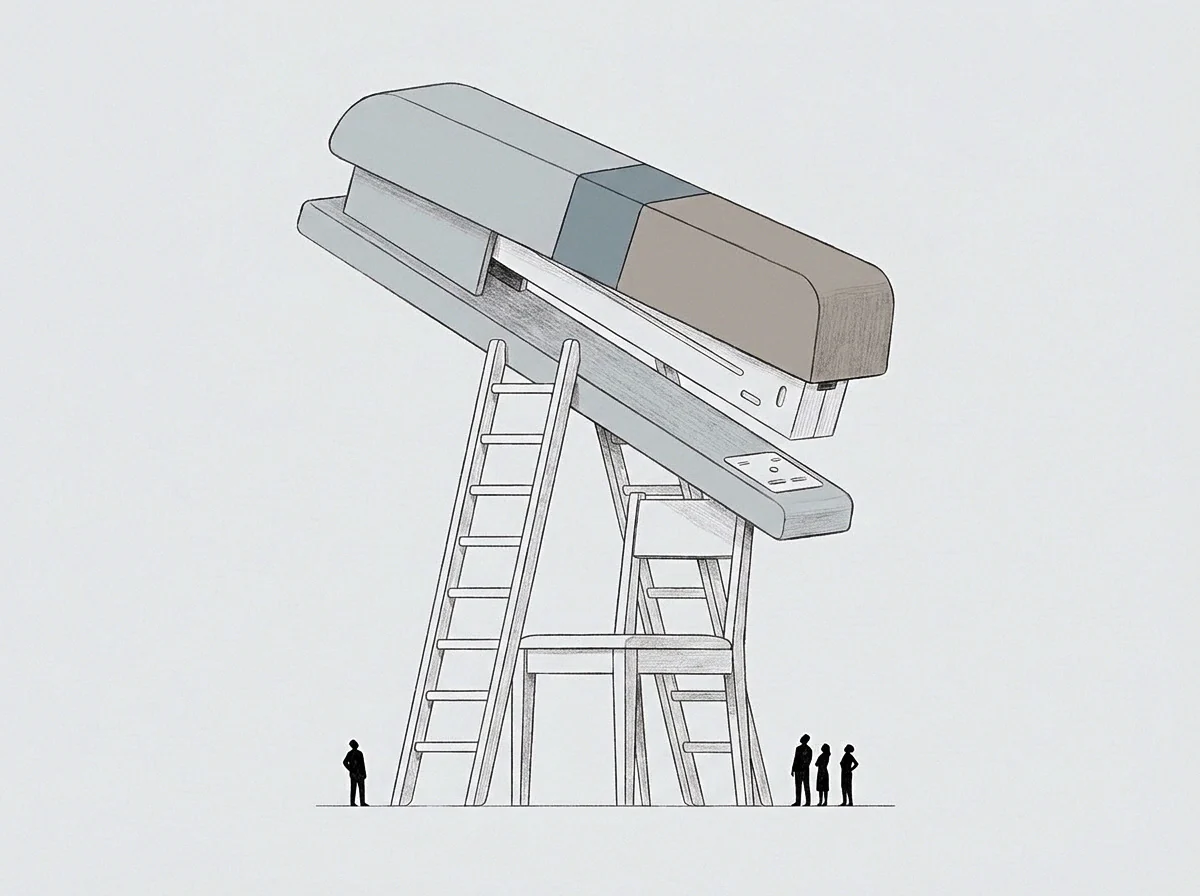
Analysts track latent potential to determine if a firm suffers from over-capitalization or operational friction. The measurement utilizes a cardinal scale where absolute units of idle time or unused server cycles equate to a distinct drag on the balance sheet. Efficiency gains arrive when a founder shifts these stranded resources toward secondary revenue streams instead of discarding them.
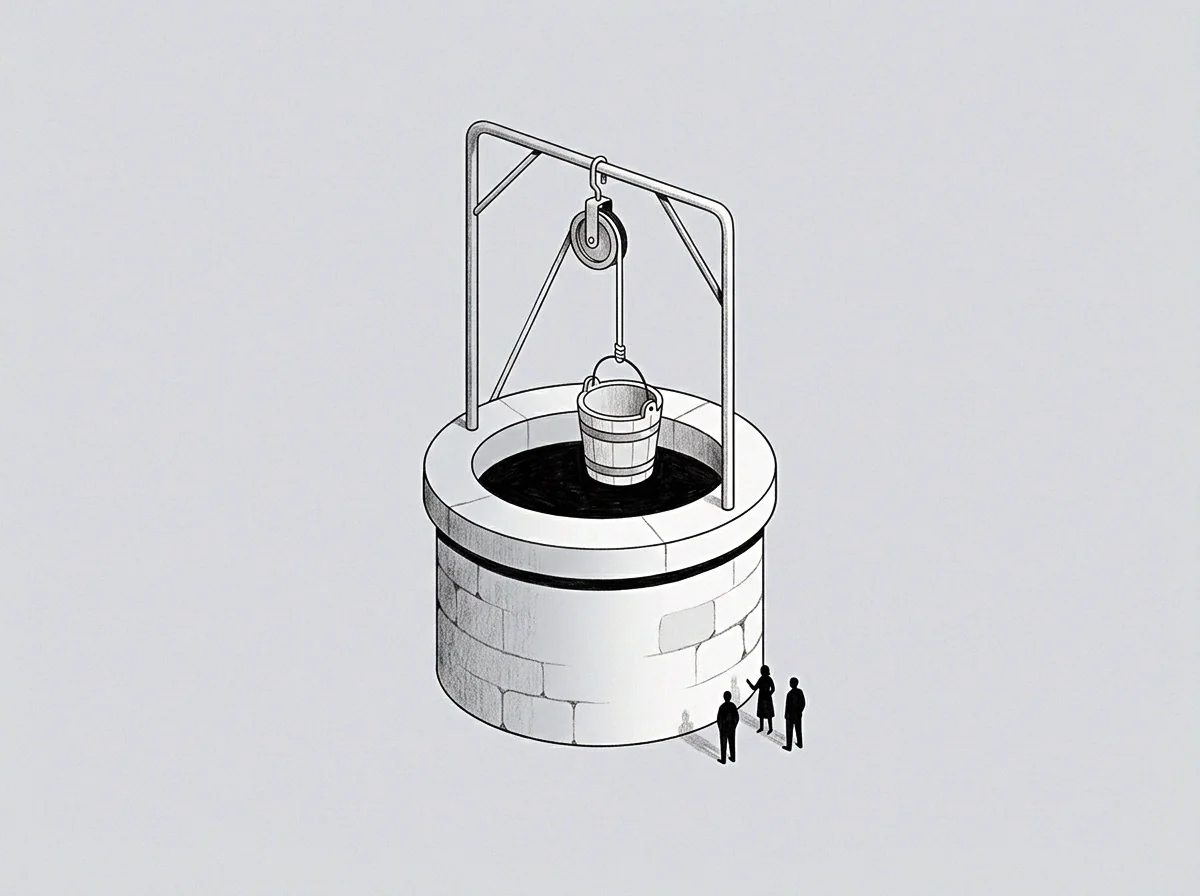
Structural Constraint
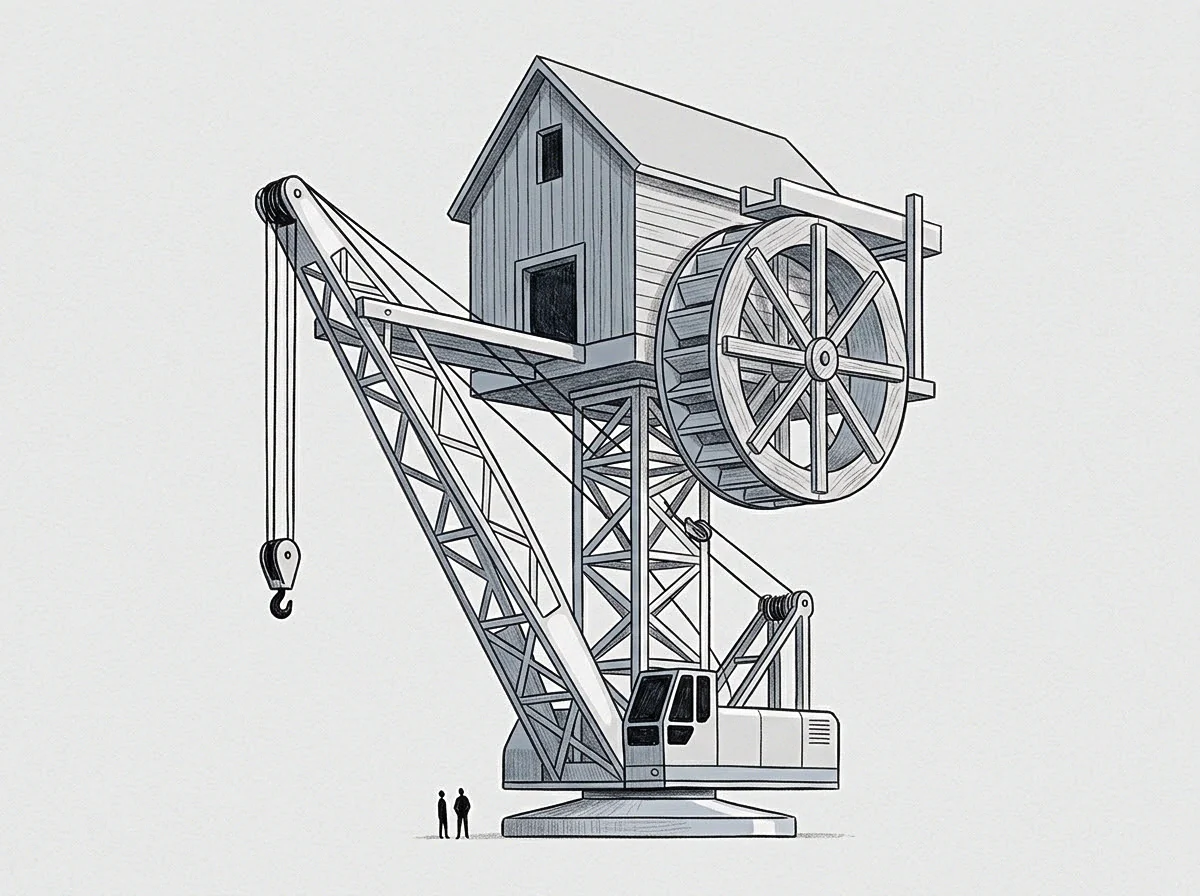
Technical bottlenecks frequently cause this dormant capability to persist long after the initial product launch. Every system possesses internal speed limits determined by the slowest component in the production chain. Identifying these limitations allows for the redistribution of energy toward areas that generate higher immediate yield.
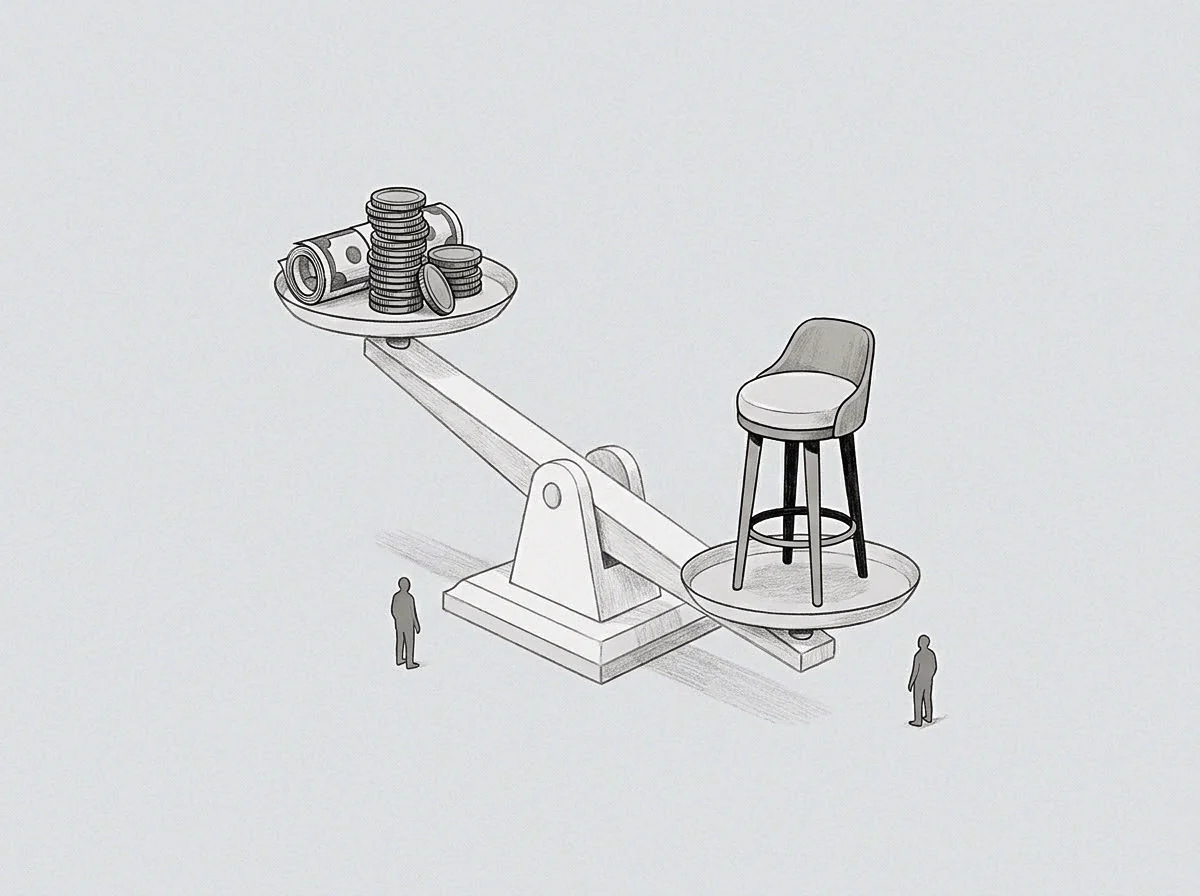
Value Delta
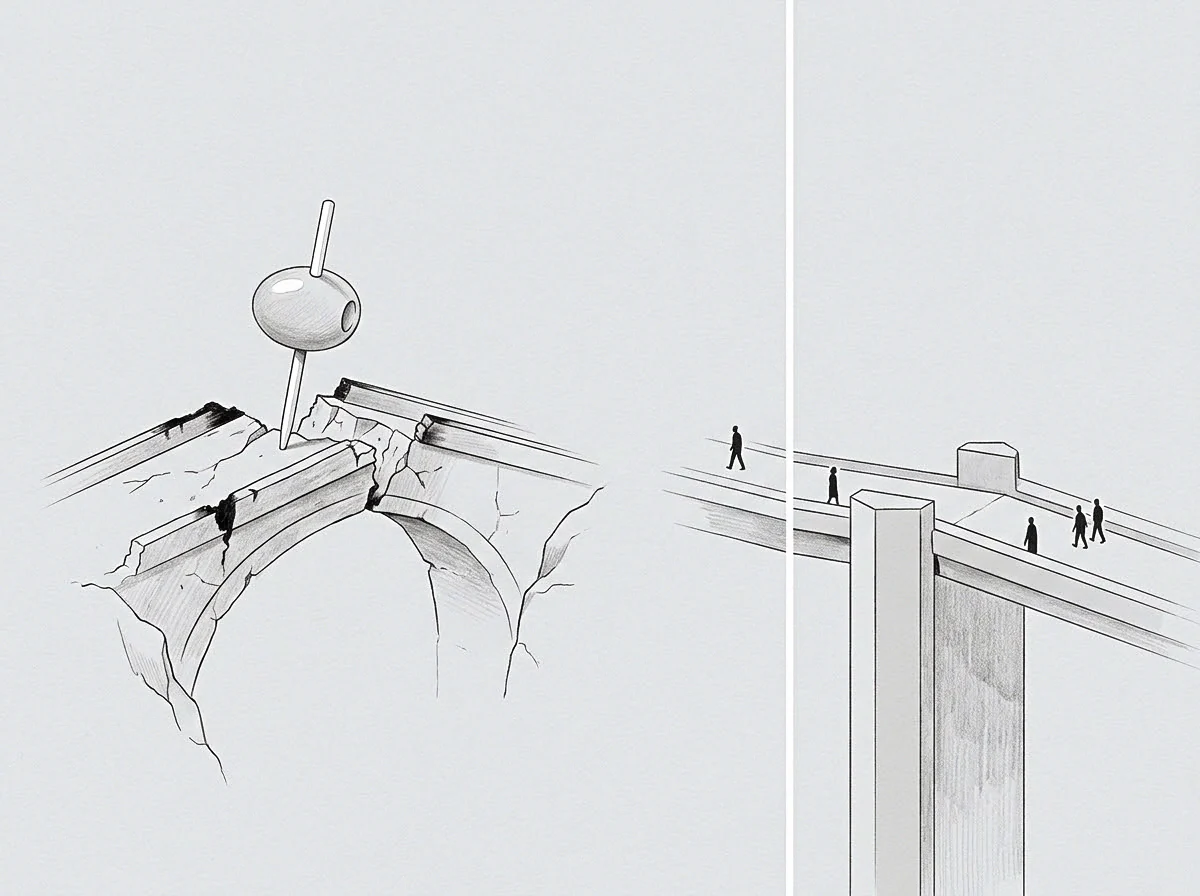
Latent potential defines the boundary where further investment yields diminishing returns without a redesign of the underlying mechanism. Management of this reserve requires the separation of fixed overhead from variable output capacity. Accurate assessments of this gap determine whether a firm requires a pivot or a simple recalibration of current operations.