
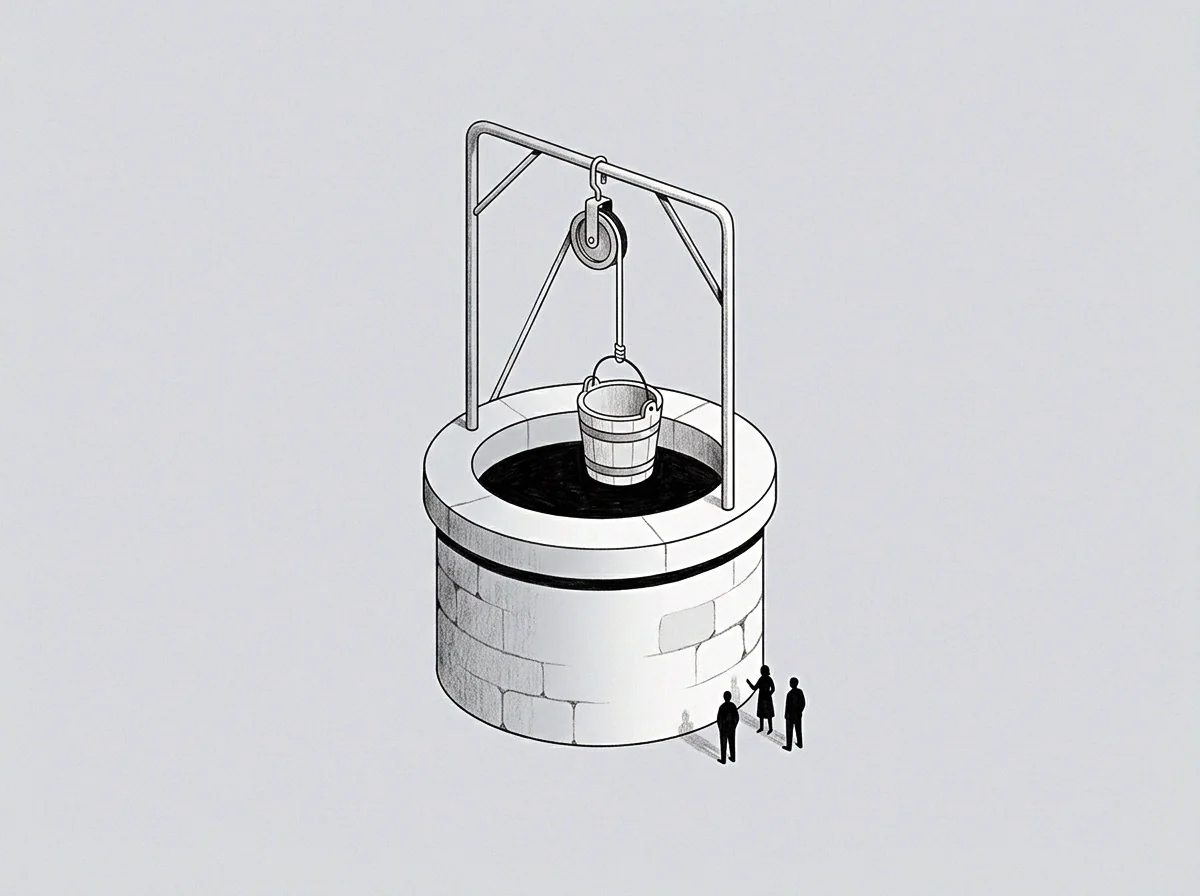
Deriving True Latent Capacity By Mirroring Negative Corporate Gradients
Mirroring negative corporate gradients derives latent capacity by converting measured avoidance overhead into an equal and opposite vector of unspent execution.
Mirroring negative corporate gradients derives latent capacity by converting measured avoidance overhead into an equal and opposite vector of unspent execution.

Unpriced unscheduled exchanges generate persistent attention residue, converting high nominal contract margins into uncompensated cognitive and operational loss.
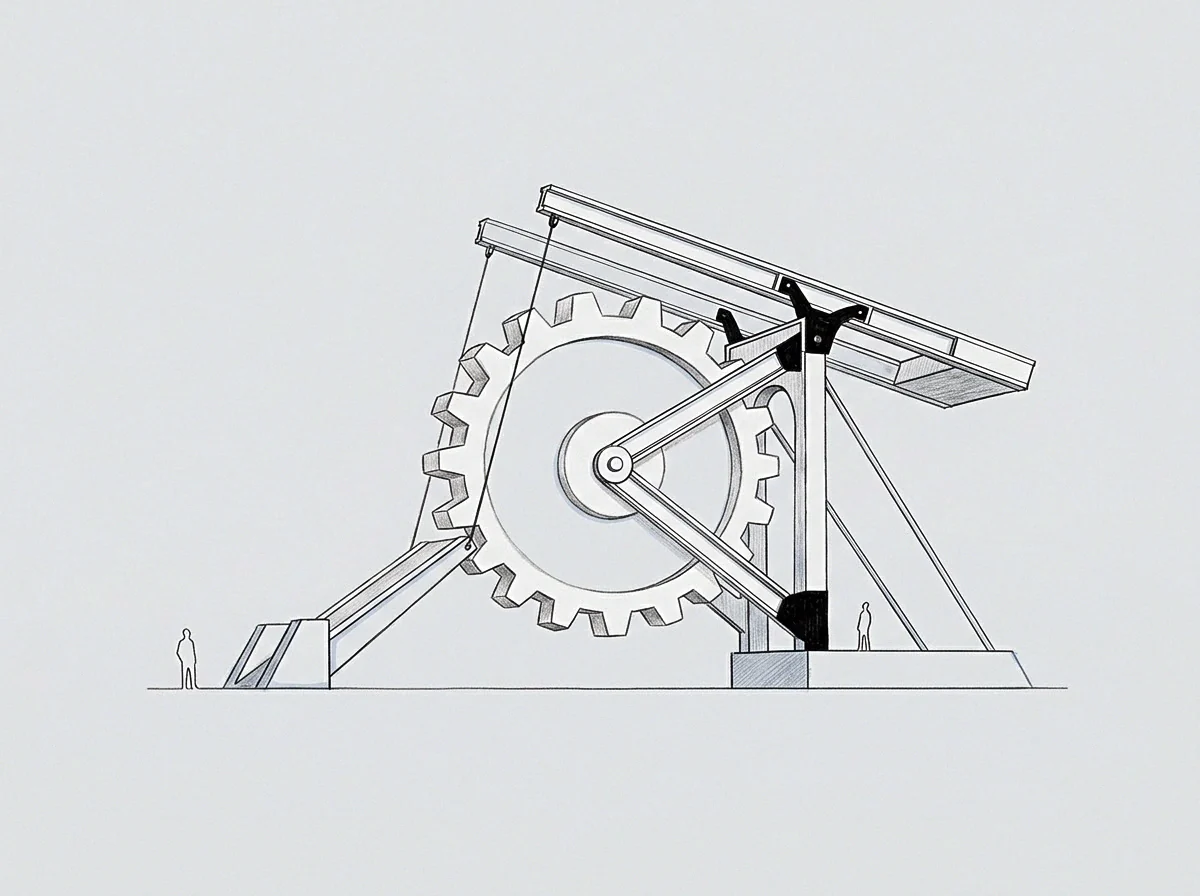
Organizational baseline limits reveal structural capacity boundaries when internal coordination costs exceed productive output during rapid growth phases.

Capacity loss signals manifest as uncounted manual workarounds and signal damping long before reported throughput metrics show execution loop failure.
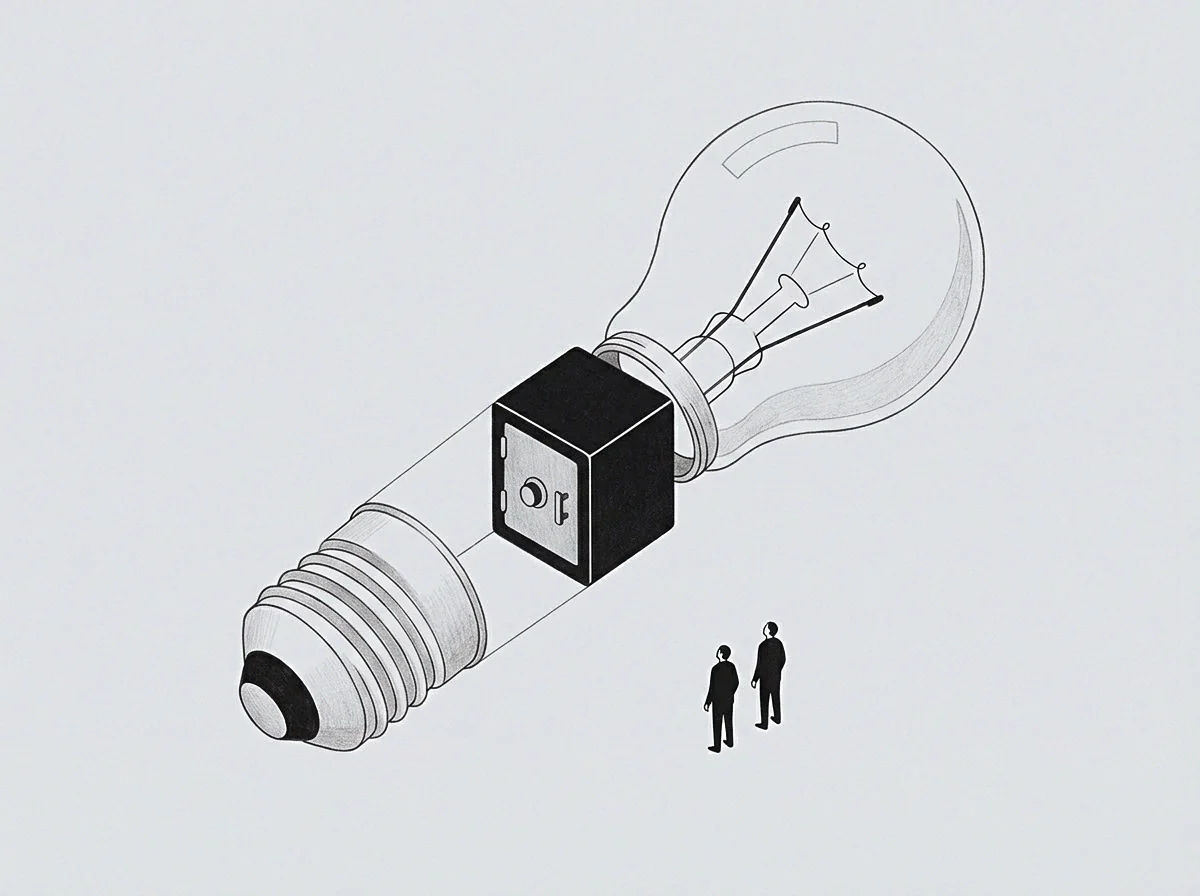
Messaging friction erodes retainer margins when unpriced client communications consume attention, fragment focus, and force continuous context switching.
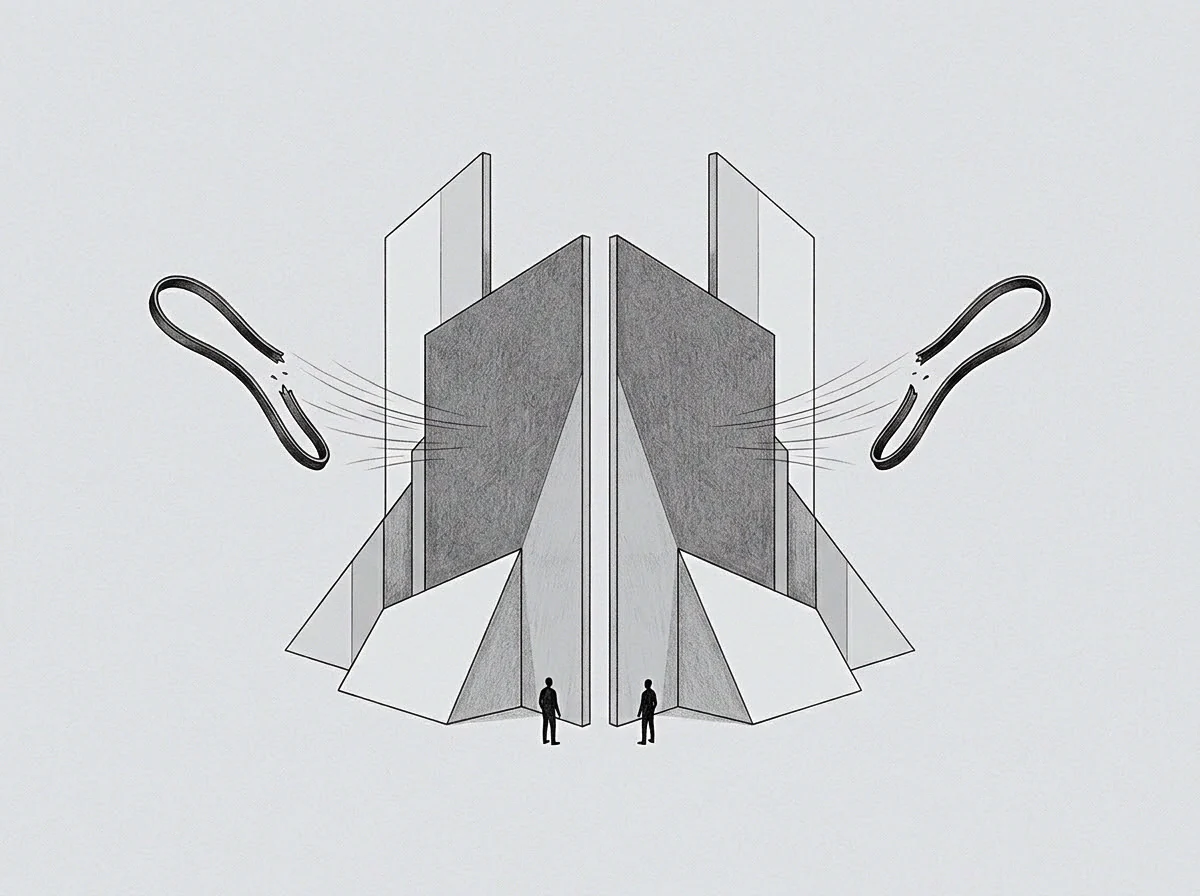
Sustained execution stress forces operational systems into low-energy default states, contracting reachable execution options to local historical paths.

Operational restructuring in deflection networks reaches its limit when administrative coordination costs exceed total system capacity.

Capital allocation in non-linear operational environments follows directional gradient metrics where returns depend on step-function capacity thresholds.
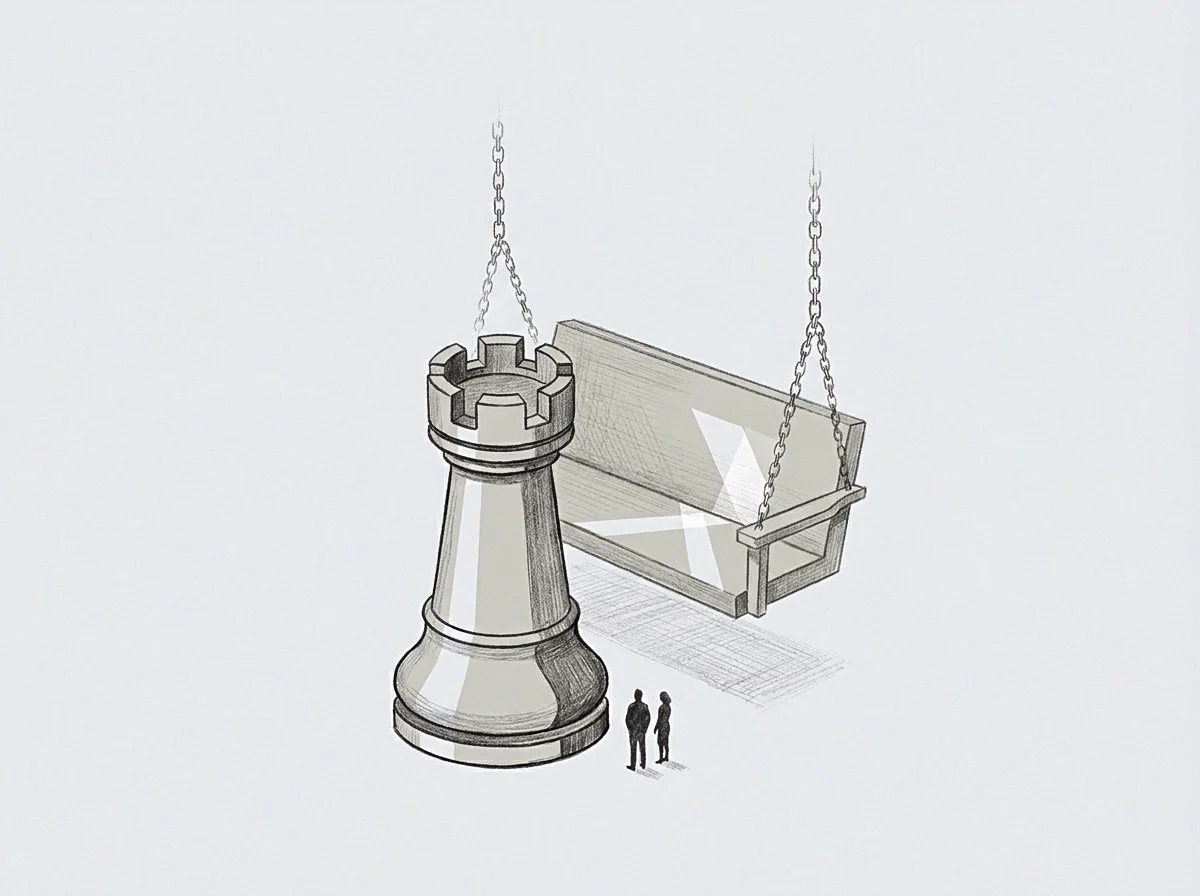
Resolving structural deflection requires isolating unmeasured friction vectors and anchoring primary metrics directly to derived operational baselines.
The terms are written where they belong. Each field holds three desks, and every entry a desk writes raises the terms it uses, each term given a meaning, a mechanism and the places it appears. The record on these pages stays first person and hand made; the fields grow the nomenclature.