

Calibrating Distance Functions Against High Dimensional Output Noise
Distance function calibration transforms raw output vectors through inverse-variance covariance weighting to isolate directional drift from high-dimensional noise.
Distance function calibration transforms raw output vectors through inverse-variance covariance weighting to isolate directional drift from high-dimensional noise.
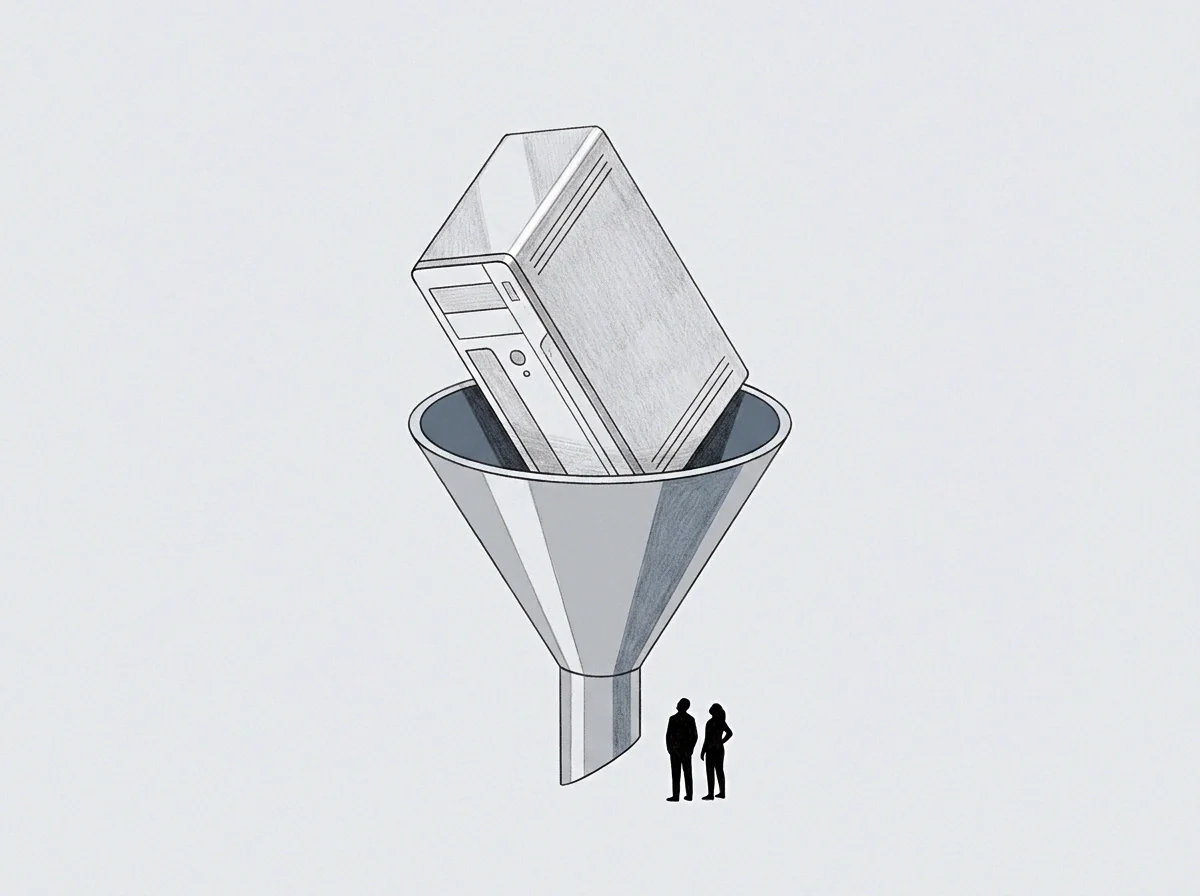
Operational scale transforms cardinal counts into complex ordinal vectors requiring non-linear metric translation to prevent structural failure.
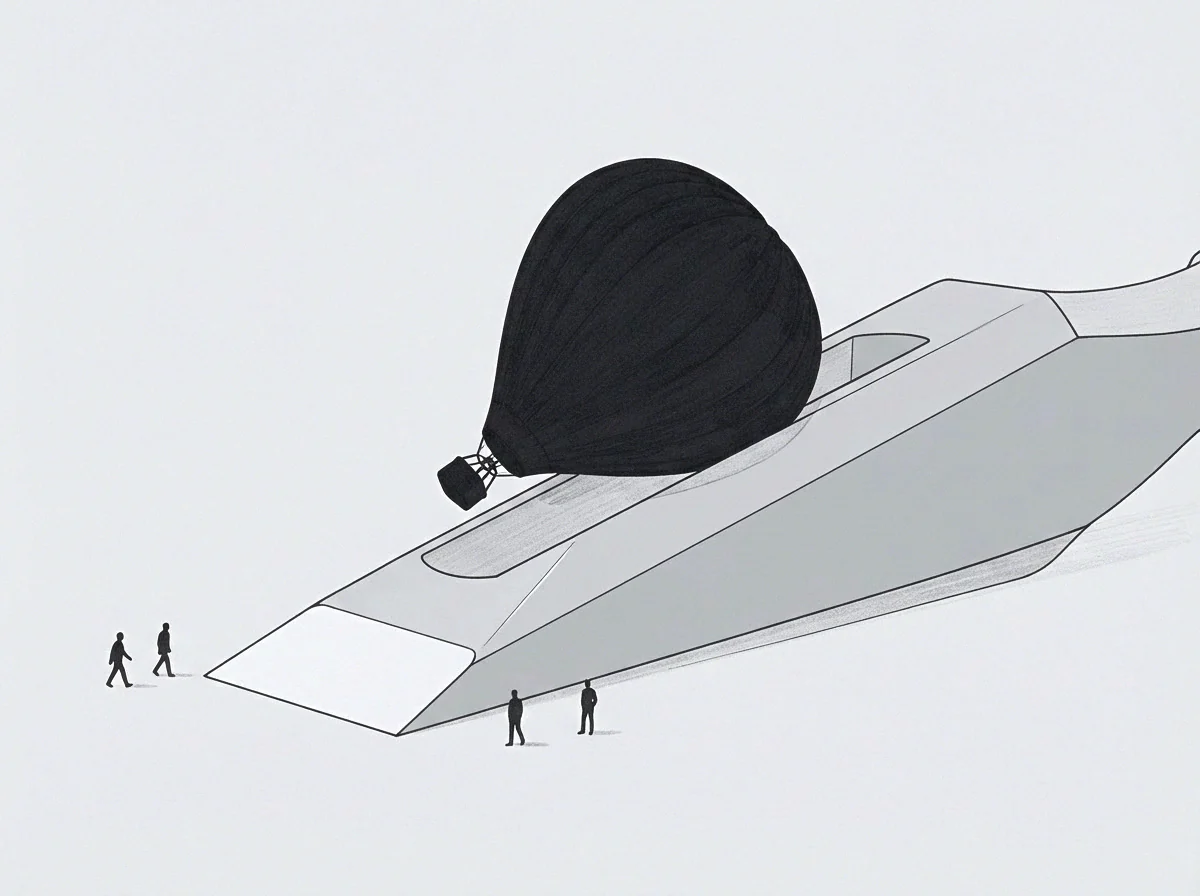
Finite liquidity constraints force optimization algorithms to prune state space dimensions permanently, trapping systems on lower-dimensional manifolds.
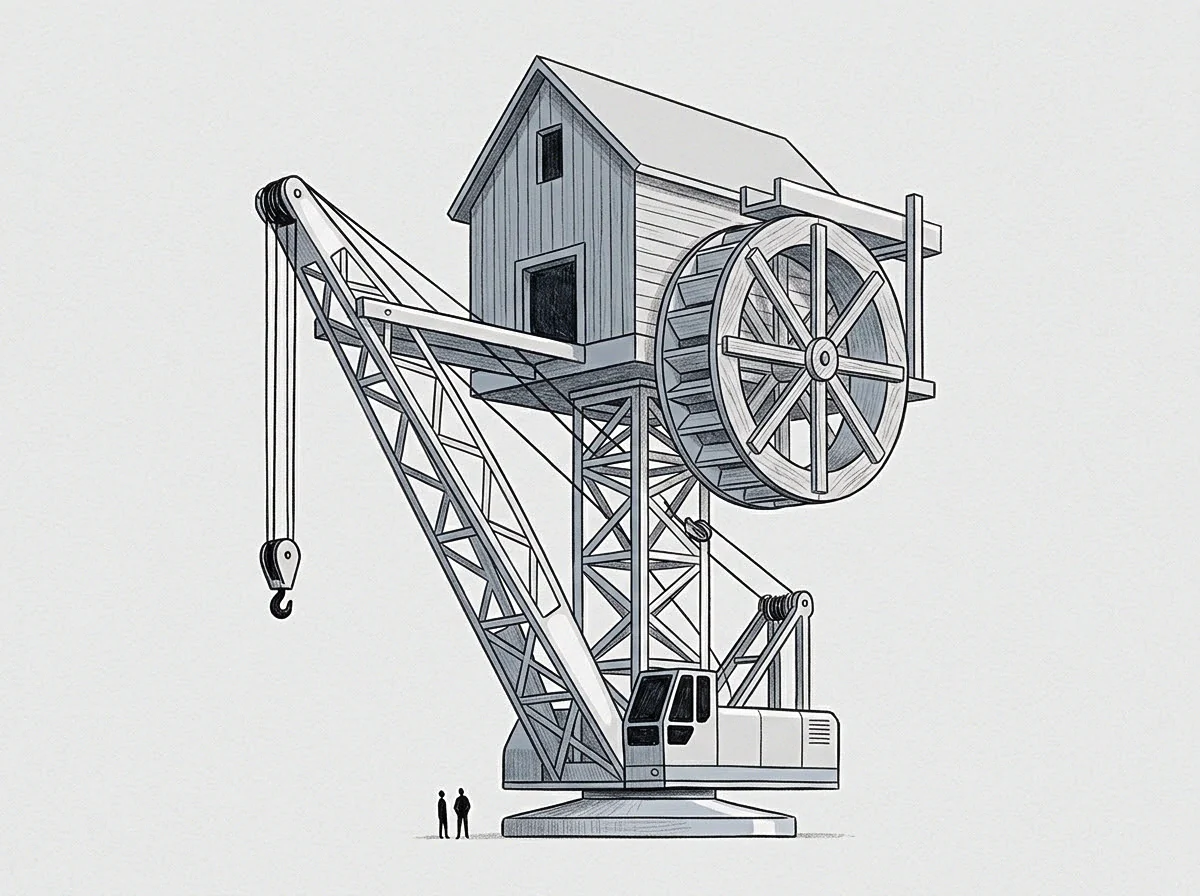
Marginal gradient ascent in non-convex asset allocation traps capital in local sub-optima, mistaking zero-gradient saddle coordinates for completed stability.
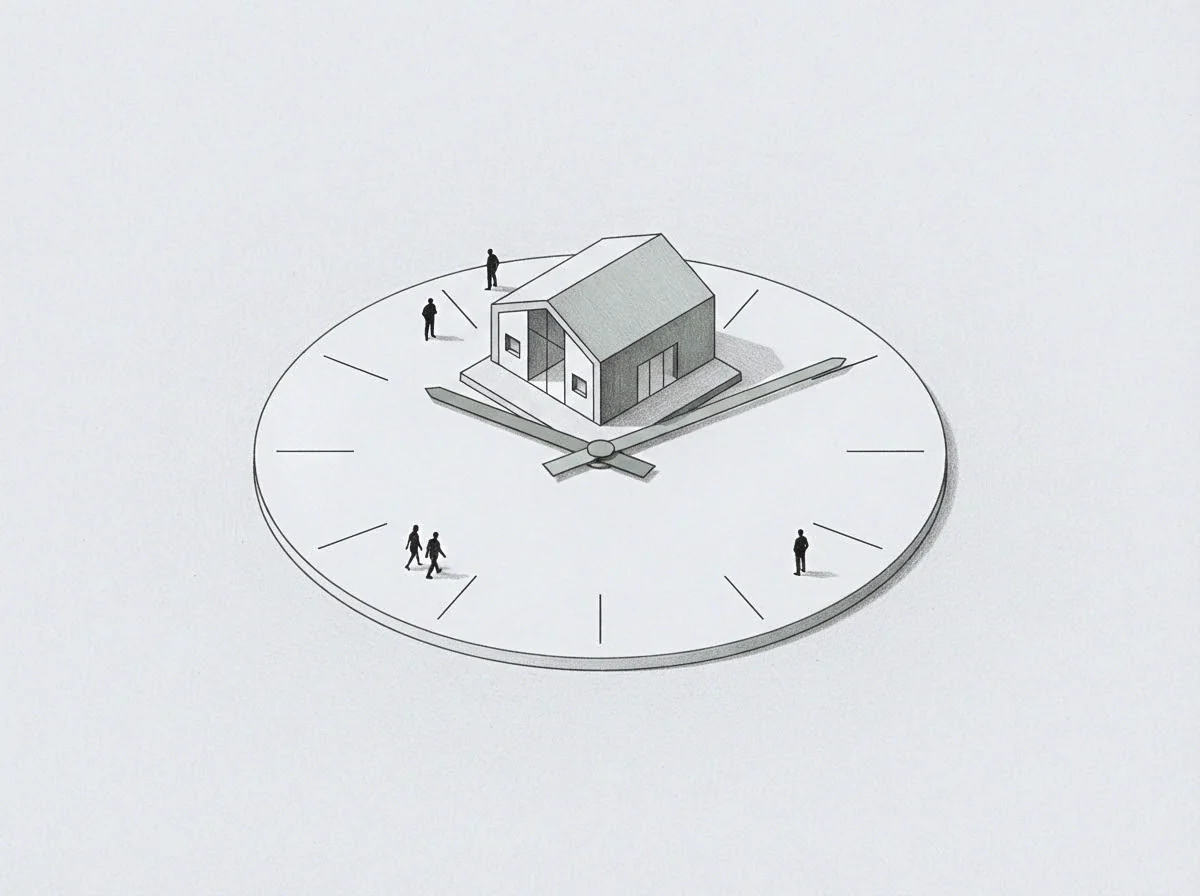
Extrapolation breakdown metrics quantify the divergence between linear risk models and realized asset losses as return vectors cross historical convex bounds during regime shifts.

Continuous value interpolation generates differentiable valuation surfaces across time and factor spaces to eliminate discrete rebalancing turnover spikes.
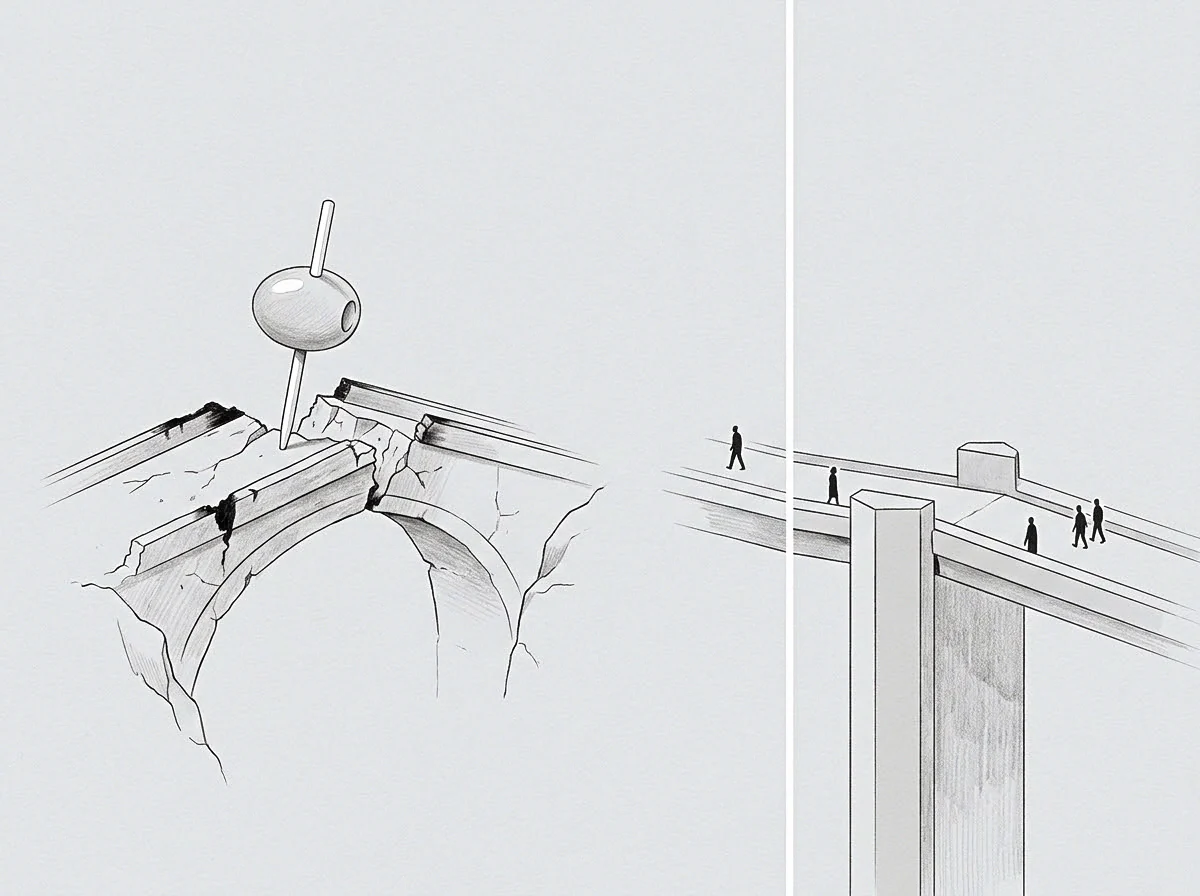
Nonlinear spectral shrinkage bounds residual covariance spikes during dimensional expansion by compressing detached eigenvalues back into the bulk distribution.
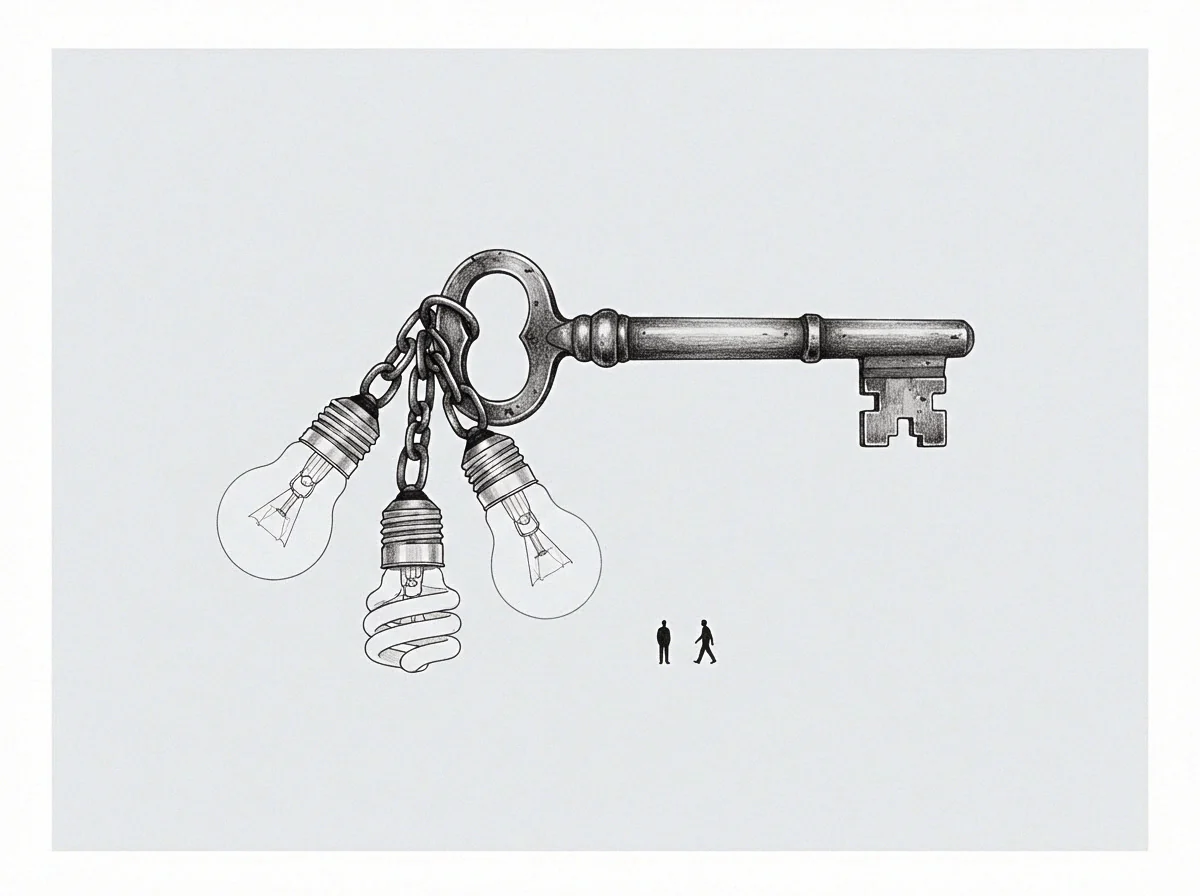
Reconstructing latent variables during attractor collapse relies on tracking non-equilibrium energy dissipation rates along structural system boundaries.

Structural shear measures the persistent directional force warping model parameters along domain boundaries when non stationary noise obscures local loss gradients.
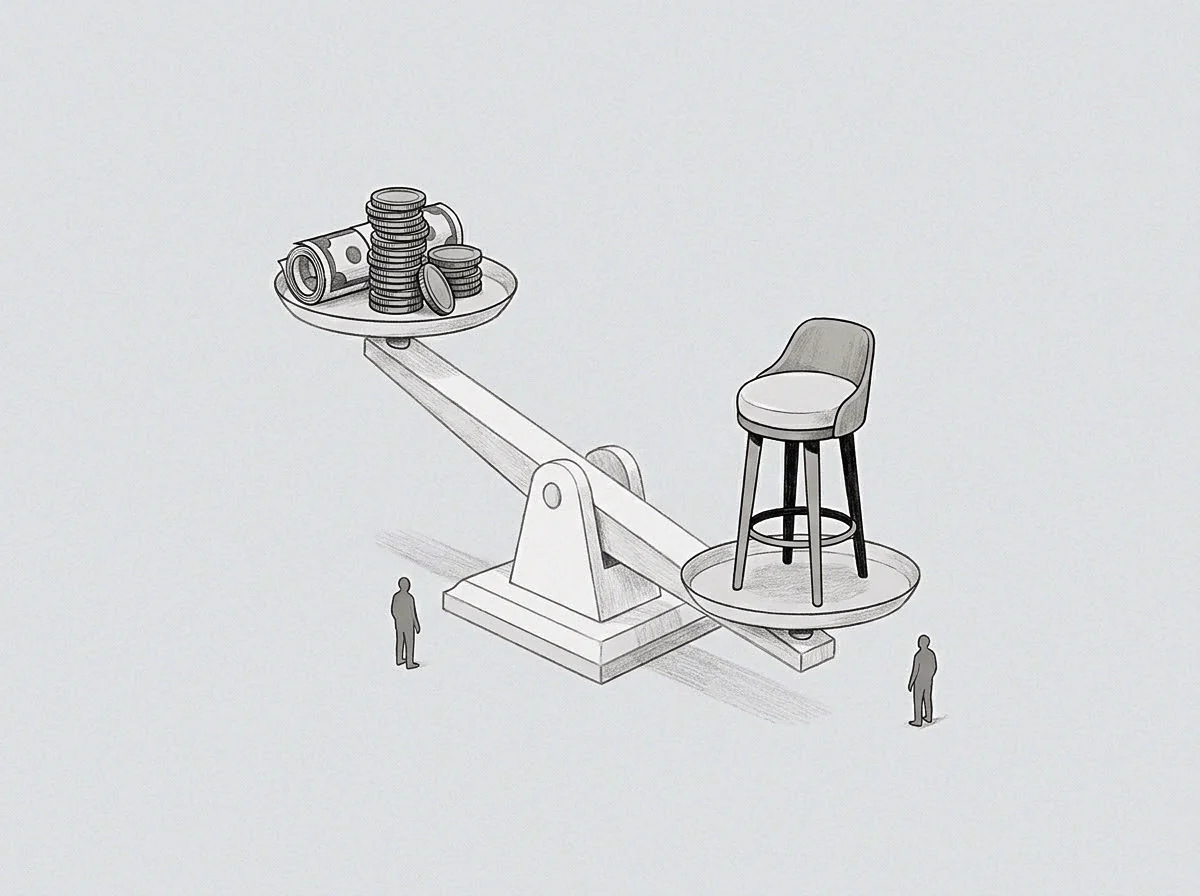
Early correlation collapse manifests when principal component variance concentrates into the dominant eigenvalue before linear cross-asset relationships shift.
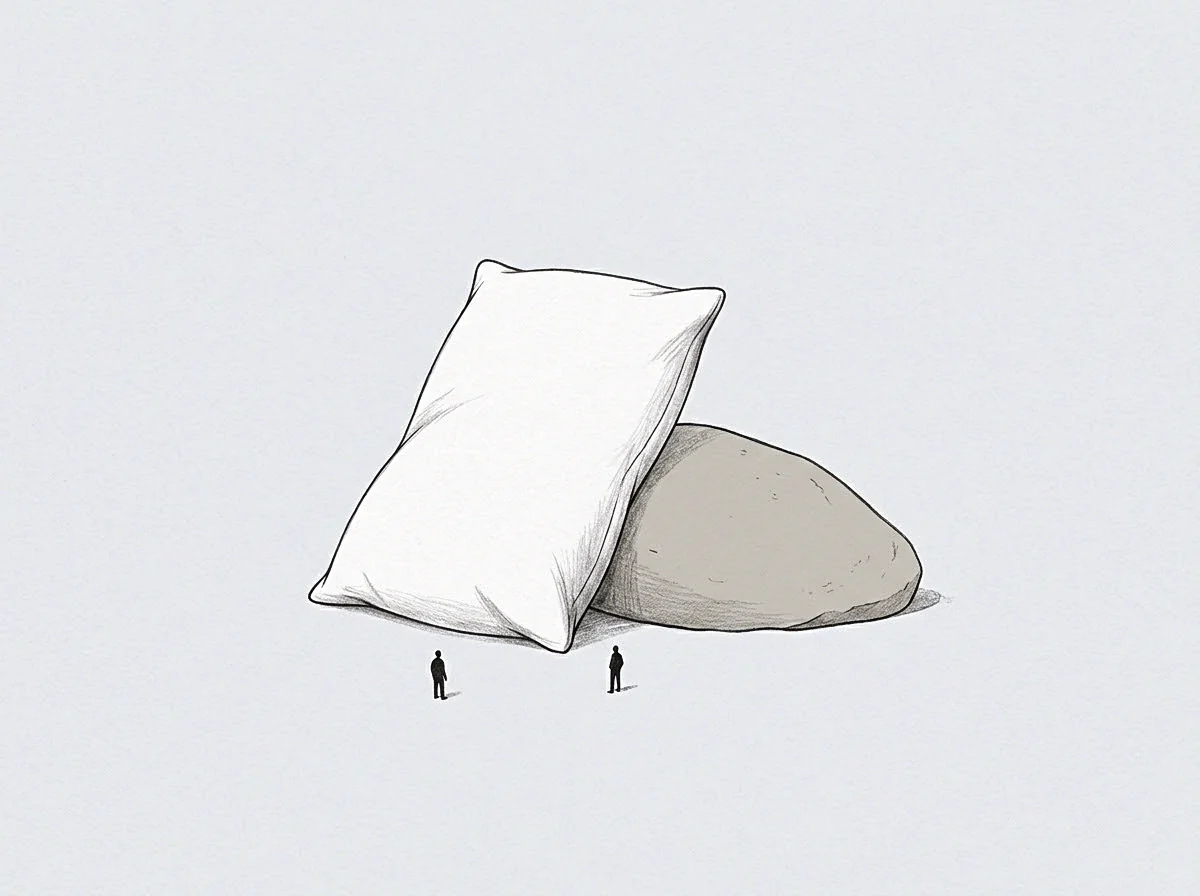
Latent risk gradients quantify how distributed execution manifolds divert state changes into unevaluated paths, building unspent volume above system baselines.
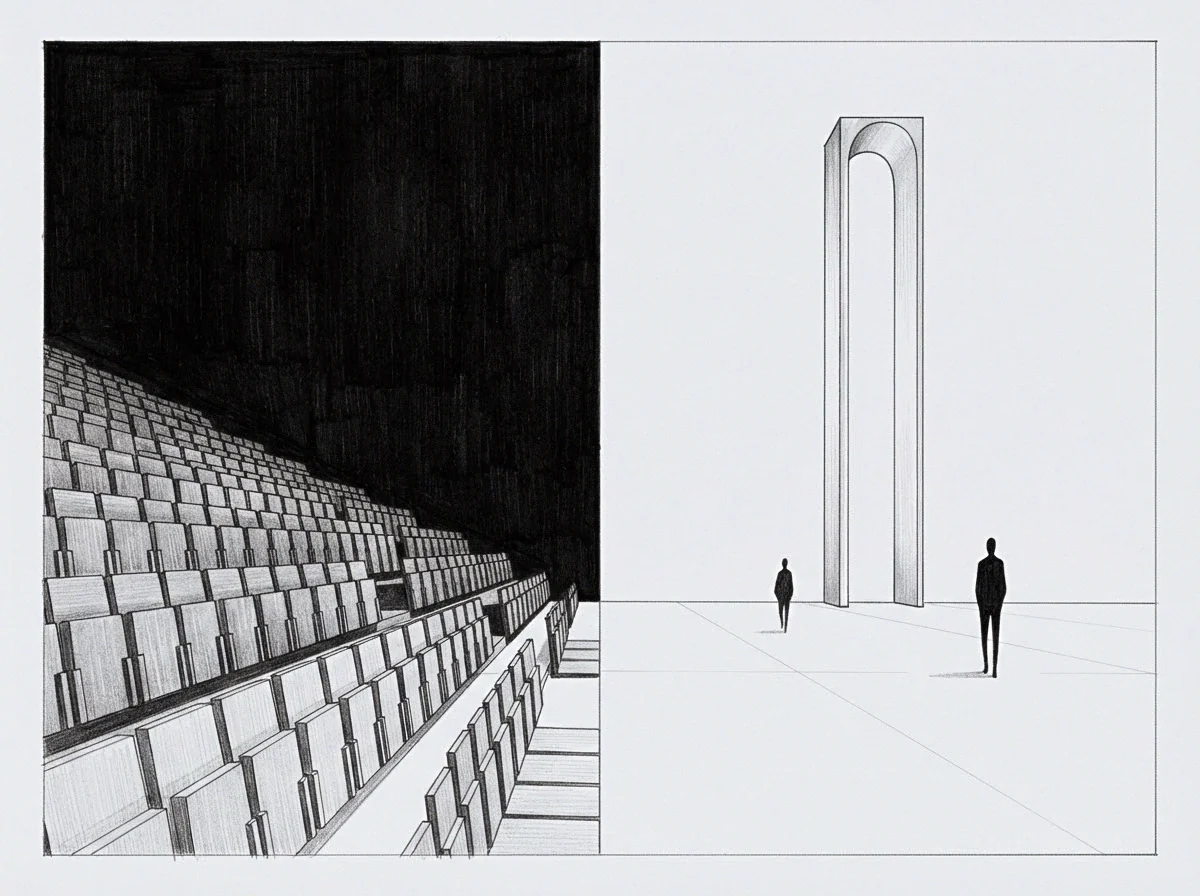
System trajectories cross complex operational boundaries when gradient calculations map state vectors against capacity constraints rather than linear projections.
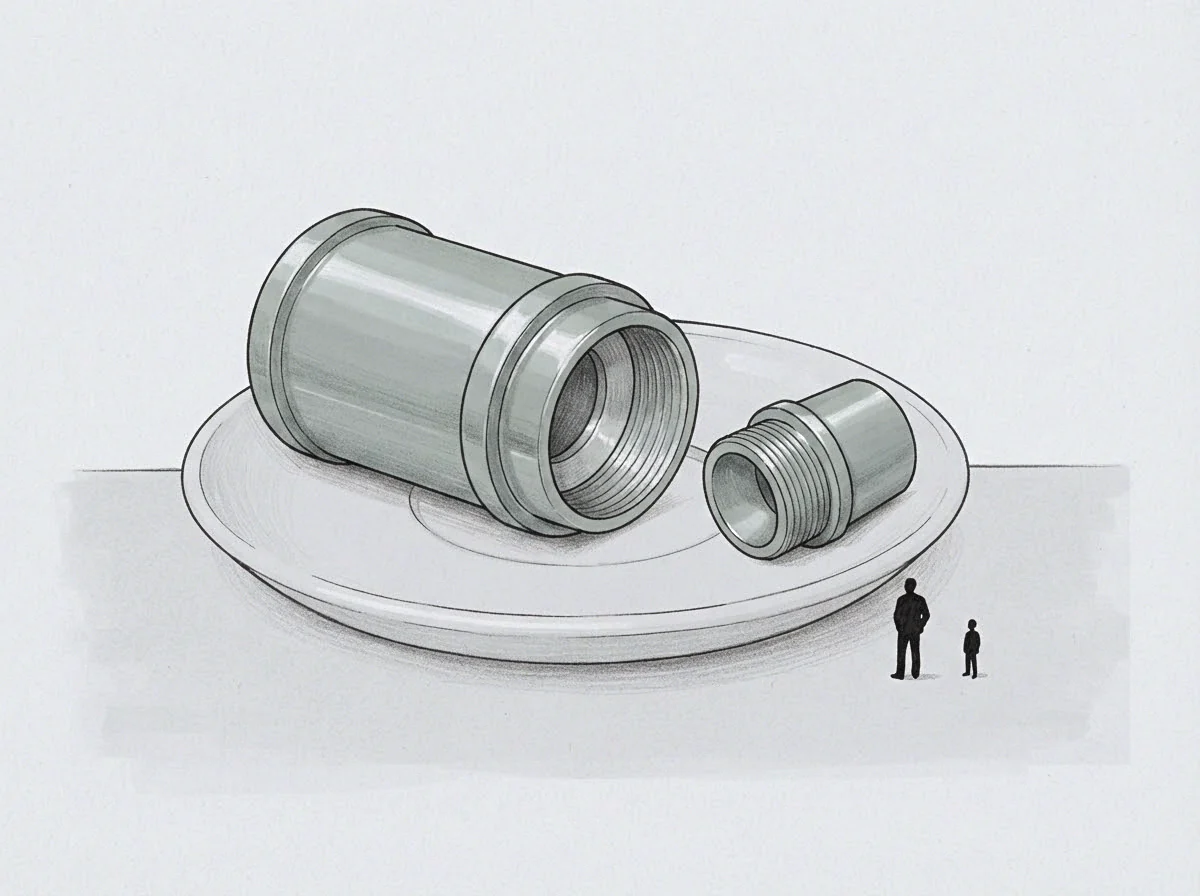
Operational variance detection projects high dimensional state vectors onto residual subspaces to identify structural shifts missed by scalar metric averages.
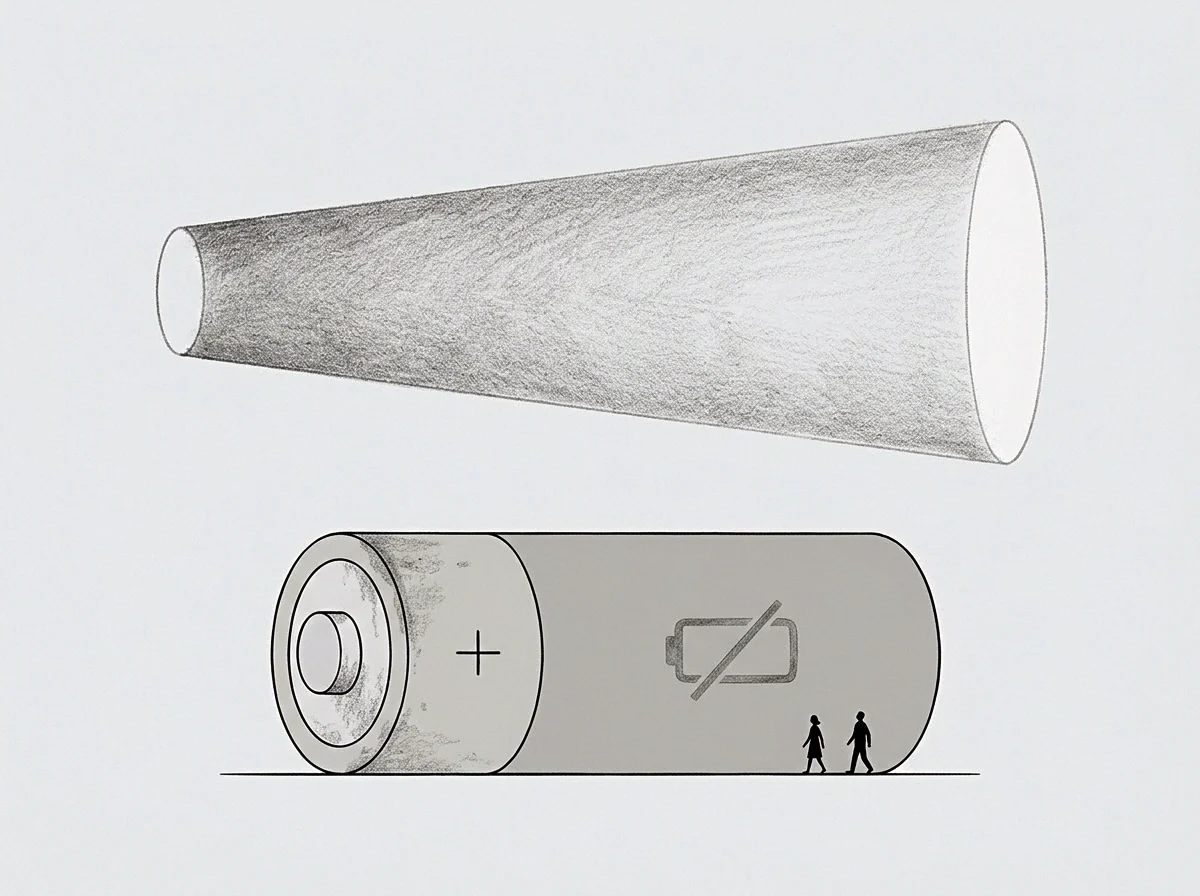
Trajectory collapse forces unspent energy into secondary dissipation vectors, requiring operators to map friction boundaries and mirror latent volume.
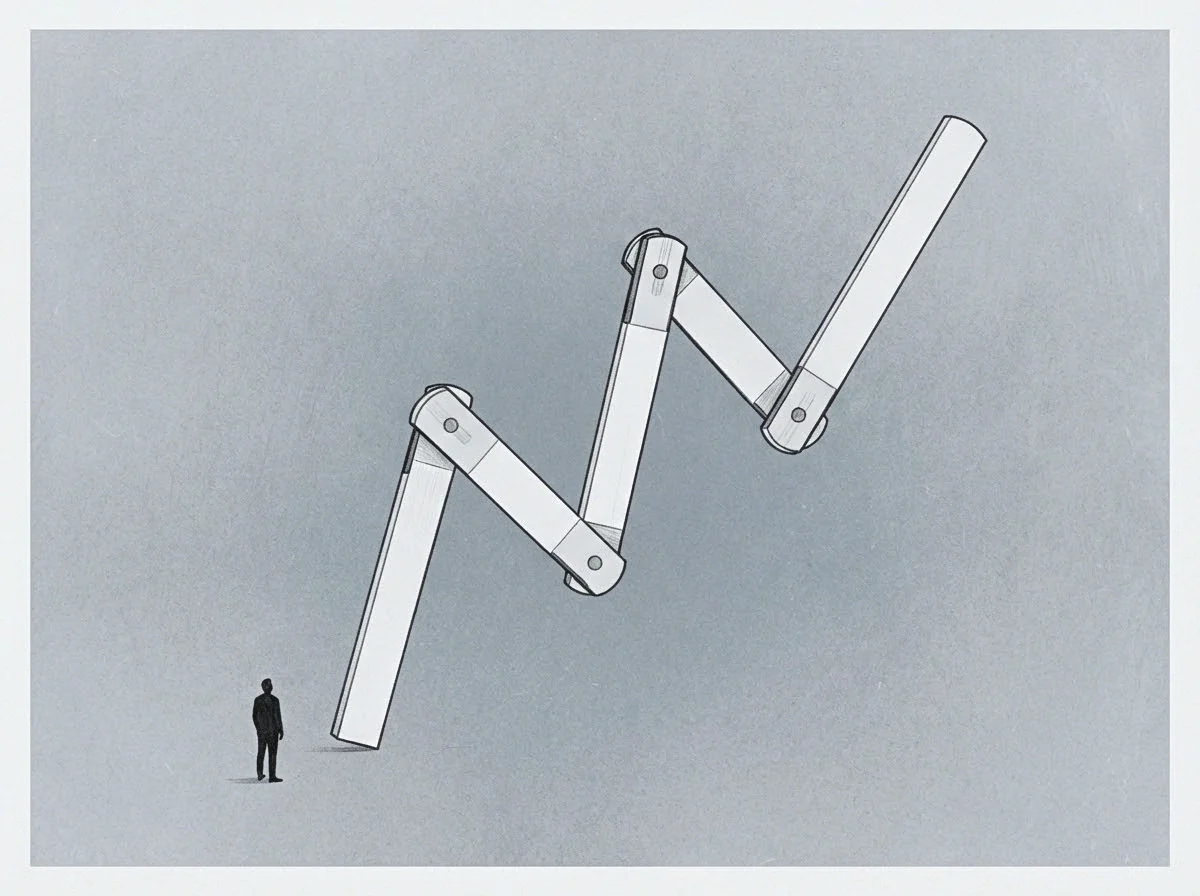
Trajectory decay measures performance degradation against energy input, exposing concealed structural strain beneath stable surface outputs in complex systems.
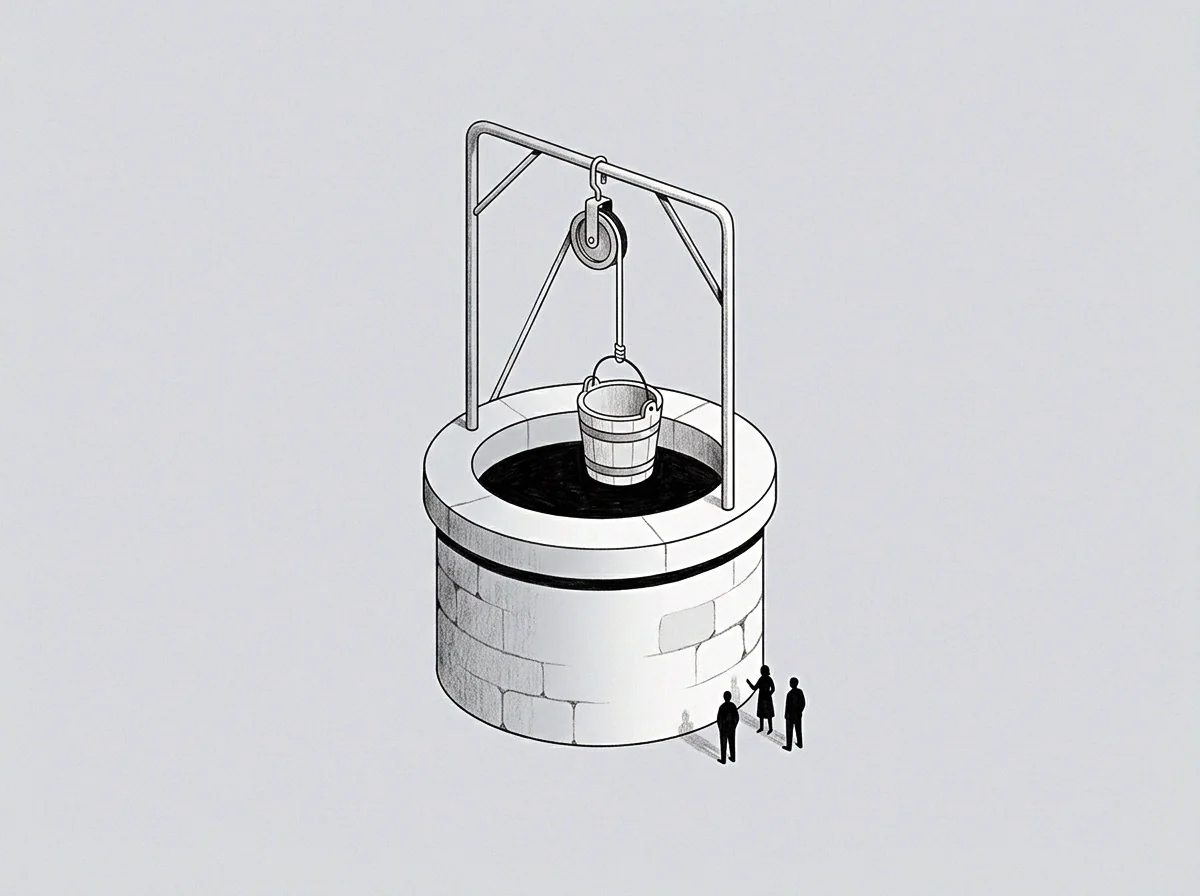
Mirroring negative corporate gradients derives latent capacity by converting measured avoidance overhead into an equal and opposite vector of unspent execution.
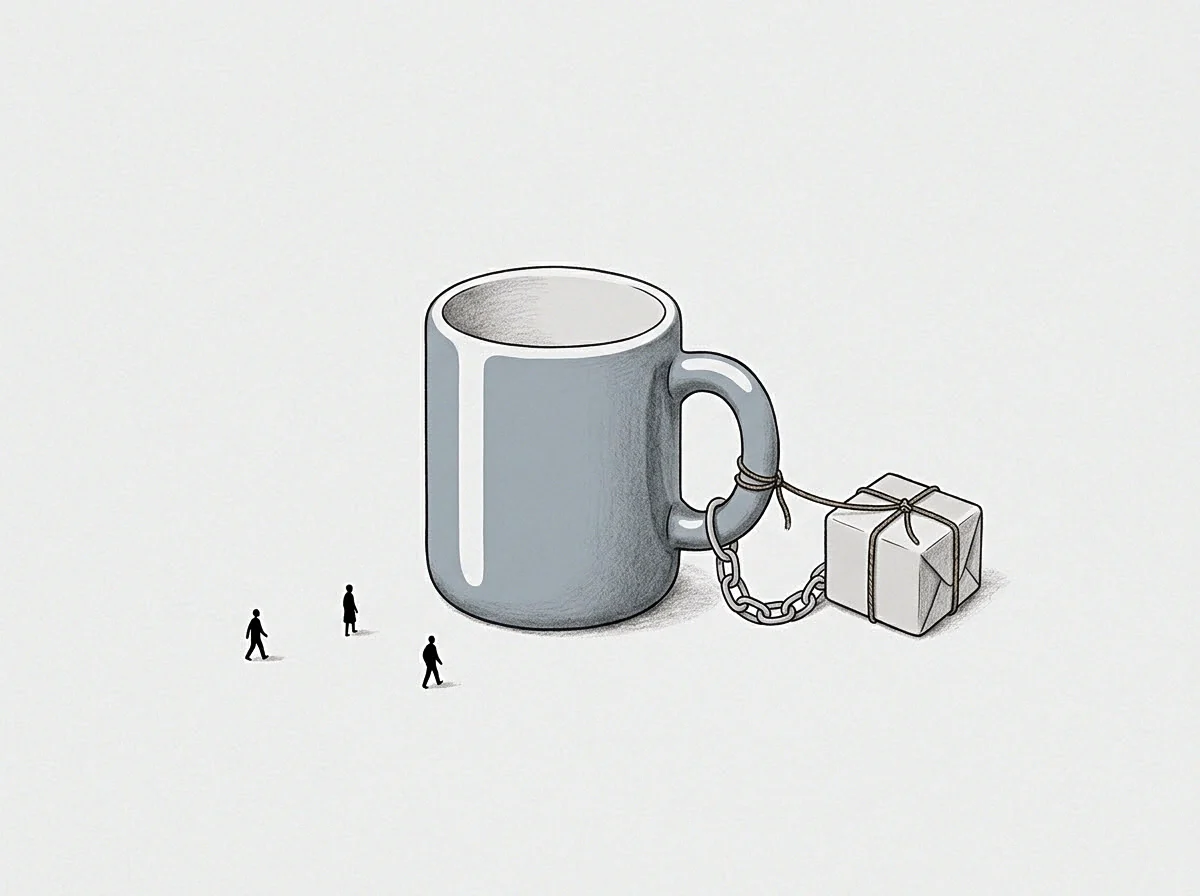
Organizations route capital and labor along lower friction operational paths when leadership avoids high friction structural decisions, accumulating shadow volume.

Asynchronous propagation delays cause peripheral nodes to optimize along obsolete target vectors, creating structural drift until local state latches reset.
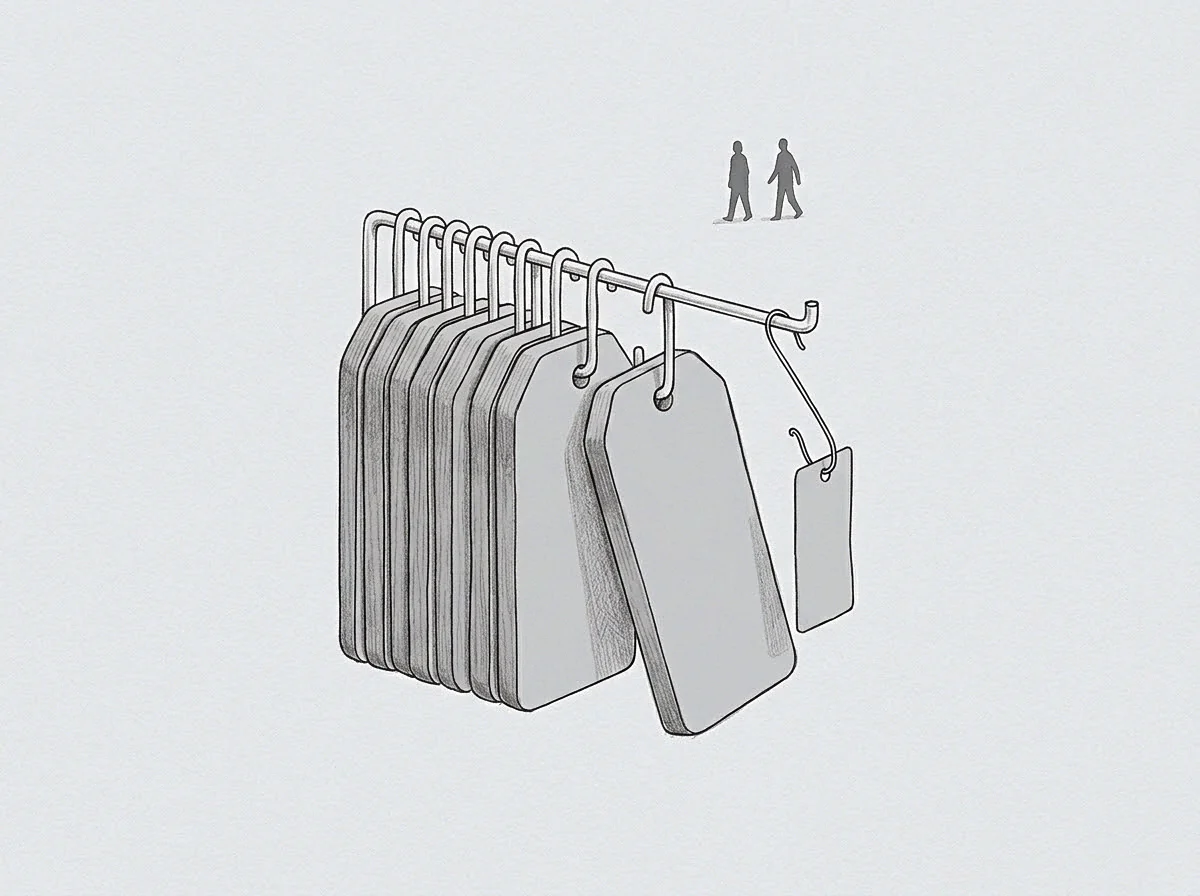
Non-linear tensor friction measures multidimensional operational drag generated when enterprise capacity shifts across structural unit boundaries.
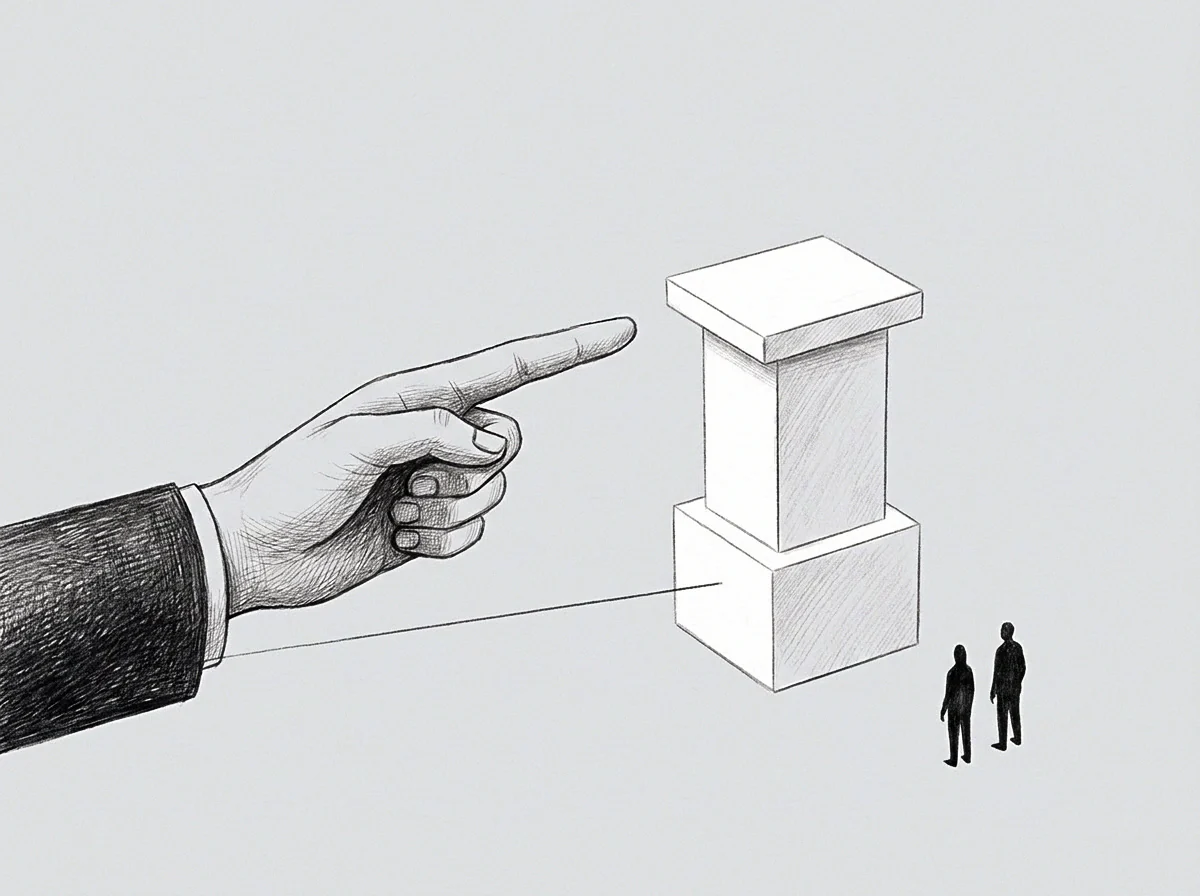
Computing directional divergence metrics across autonomous units projects division outputs against baseline vectors to measure operational separation in degrees.

Systematic avoidance of central directives identifies high-friction operational gradients, revealing latent potential when peripheral routing is mirrored above the baseline.
The terms are written where they belong. Each field holds three desks, and every entry a desk writes raises the terms it uses, each term given a meaning, a mechanism and the places it appears. The record on these pages stays first person and hand made; the fields grow the nomenclature.