
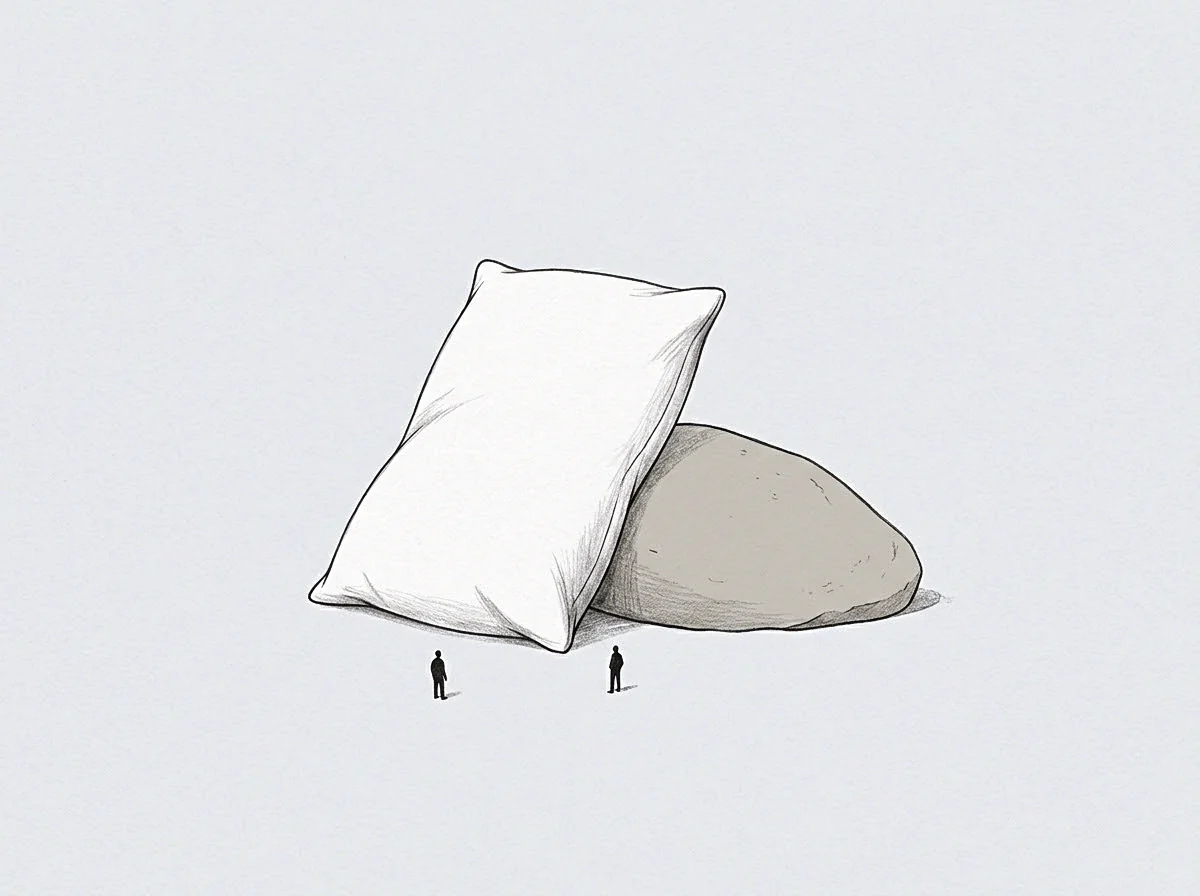
Quantifying Volumetric Latent Risk Gradient In Distributed System Execution Manifolds
Latent risk gradients quantify how distributed execution manifolds divert state changes into unevaluated paths, building unspent volume above system baselines.
Latent risk gradients quantify how distributed execution manifolds divert state changes into unevaluated paths, building unspent volume above system baselines.
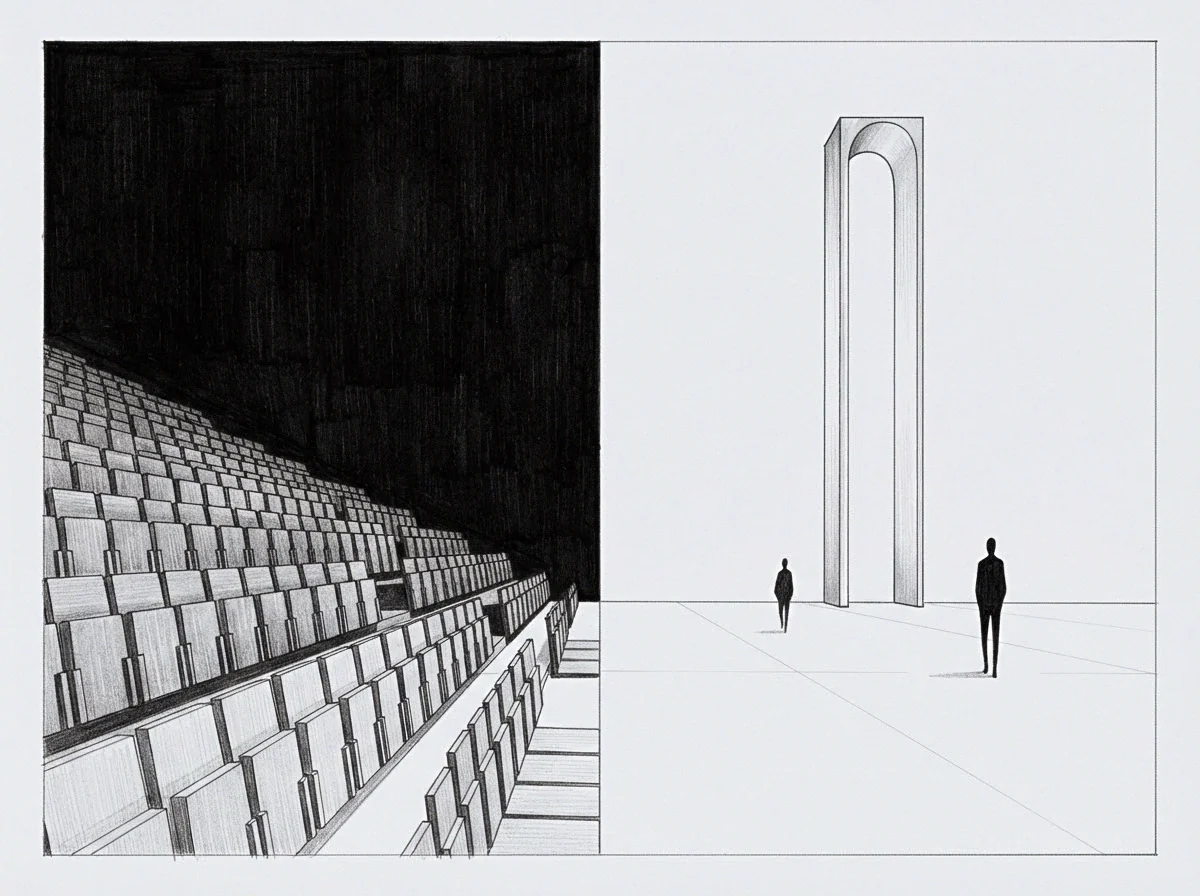
System trajectories cross complex operational boundaries when gradient calculations map state vectors against capacity constraints rather than linear projections.
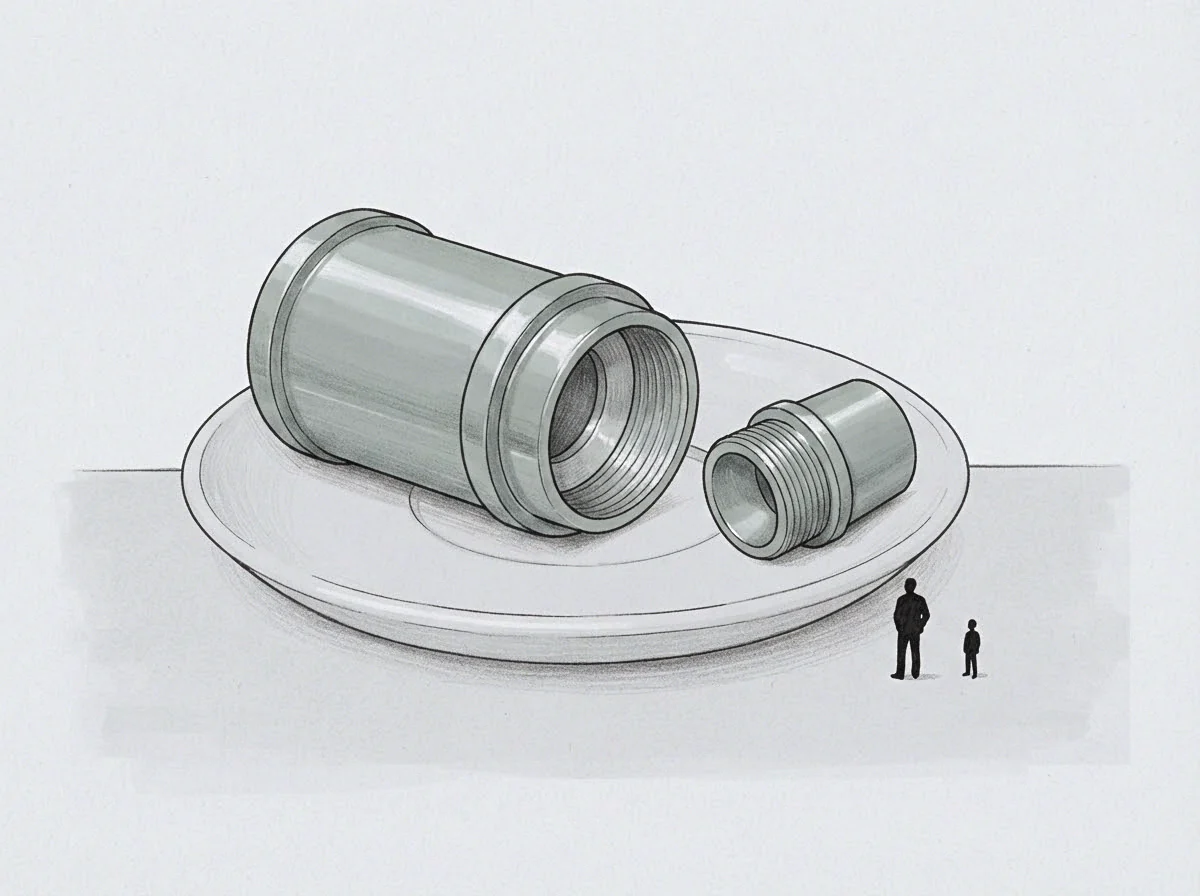
Operational variance detection projects high dimensional state vectors onto residual subspaces to identify structural shifts missed by scalar metric averages.
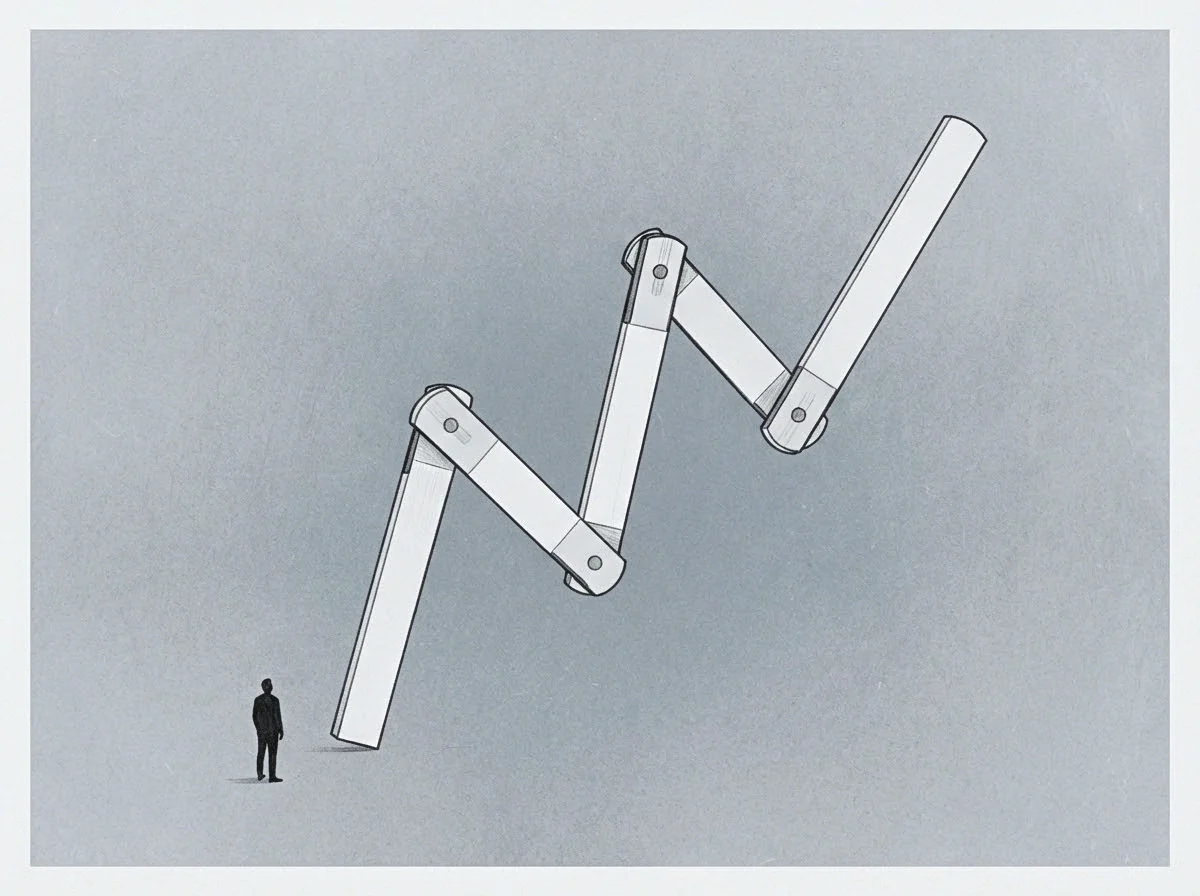
Trajectory decay measures performance degradation against energy input, exposing concealed structural strain beneath stable surface outputs in complex systems.
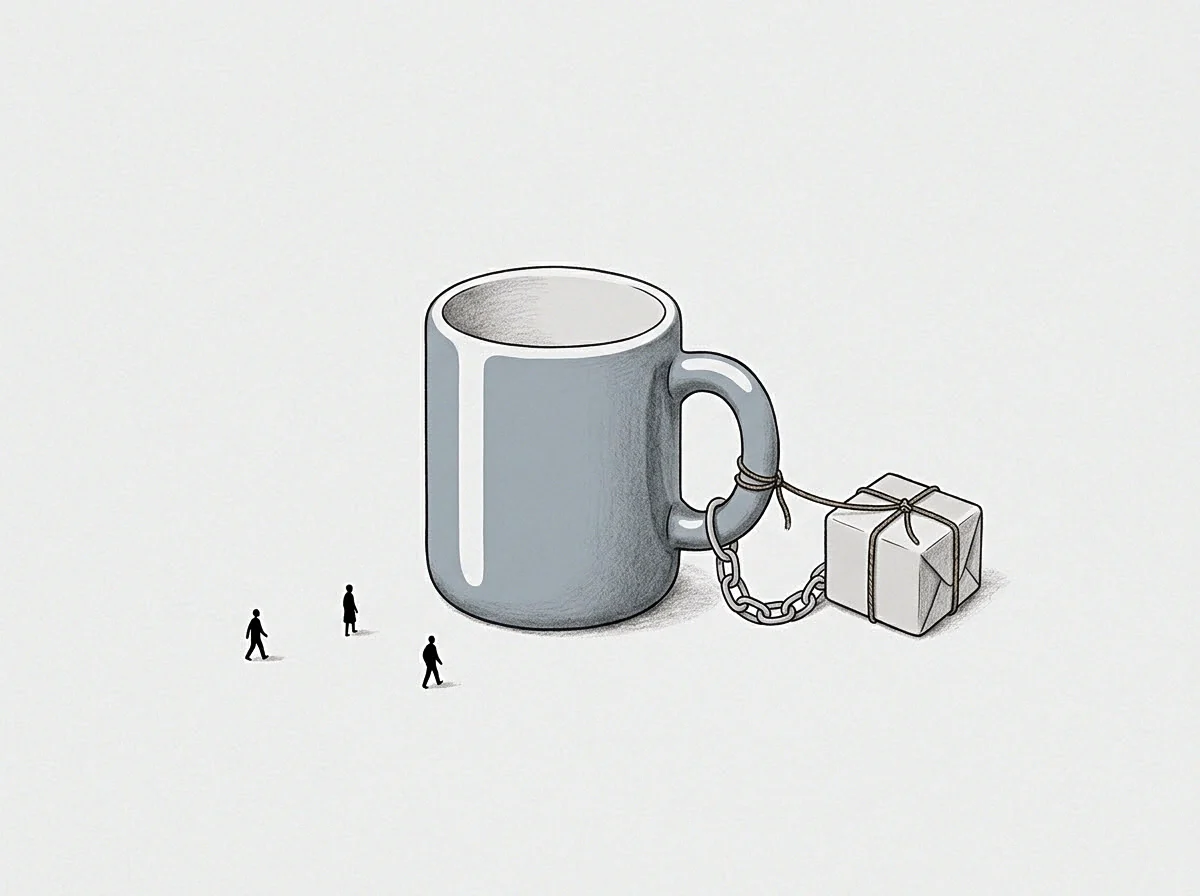
Organizations route capital and labor along lower friction operational paths when leadership avoids high friction structural decisions, accumulating shadow volume.
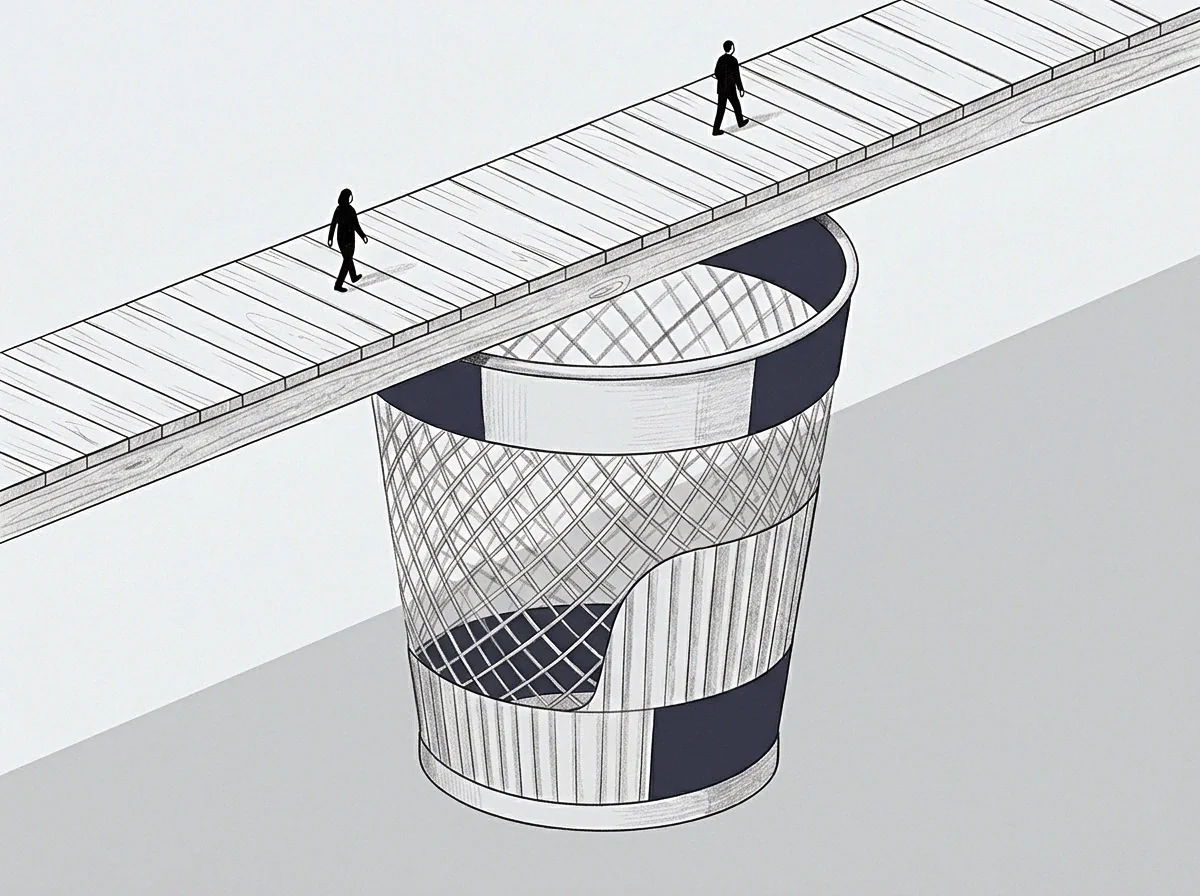
Reversible execution paths decay during extended product launches as soft dependencies, context loss, and schema divergence continuously elevate reversion costs.

Asynchronous propagation delays cause peripheral nodes to optimize along obsolete target vectors, creating structural drift until local state latches reset.
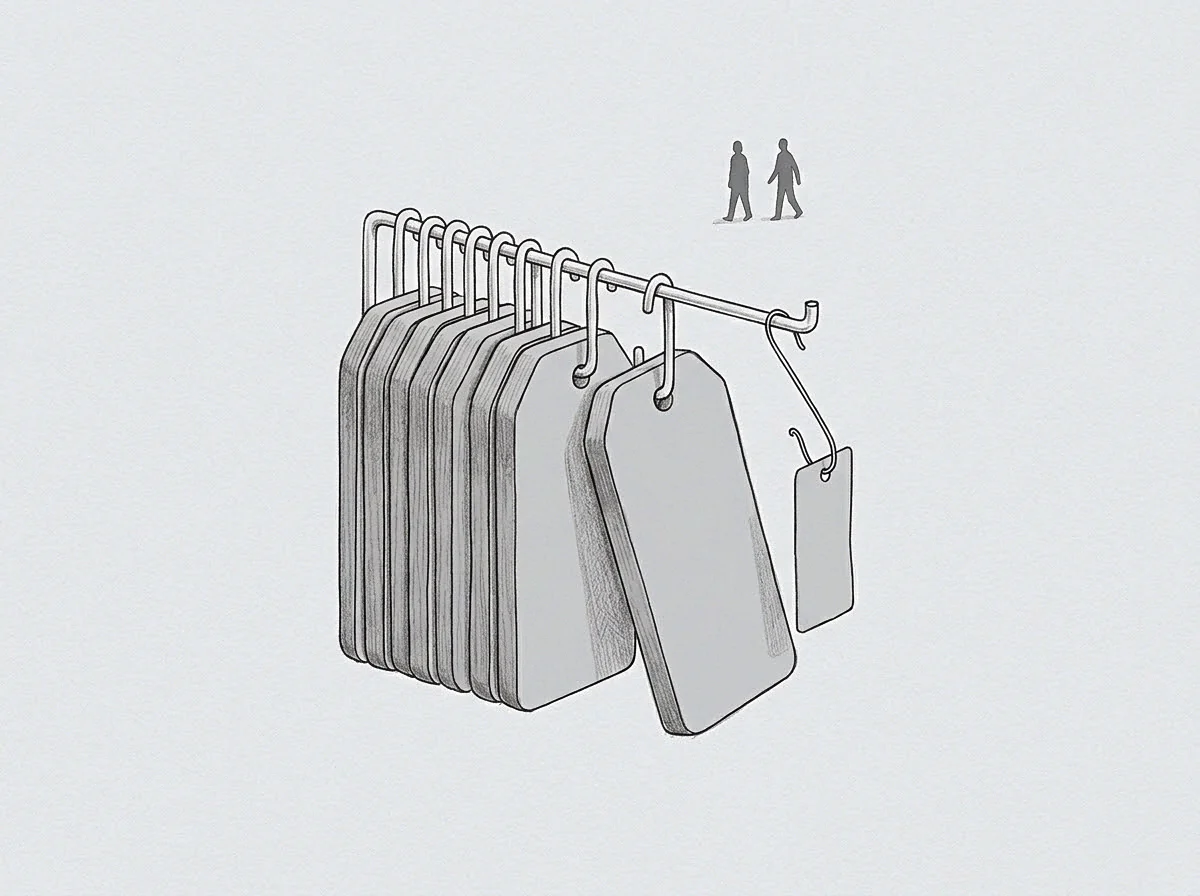
Non-linear tensor friction measures multidimensional operational drag generated when enterprise capacity shifts across structural unit boundaries.

Systematic avoidance of central directives identifies high-friction operational gradients, revealing latent potential when peripheral routing is mirrored above the baseline.
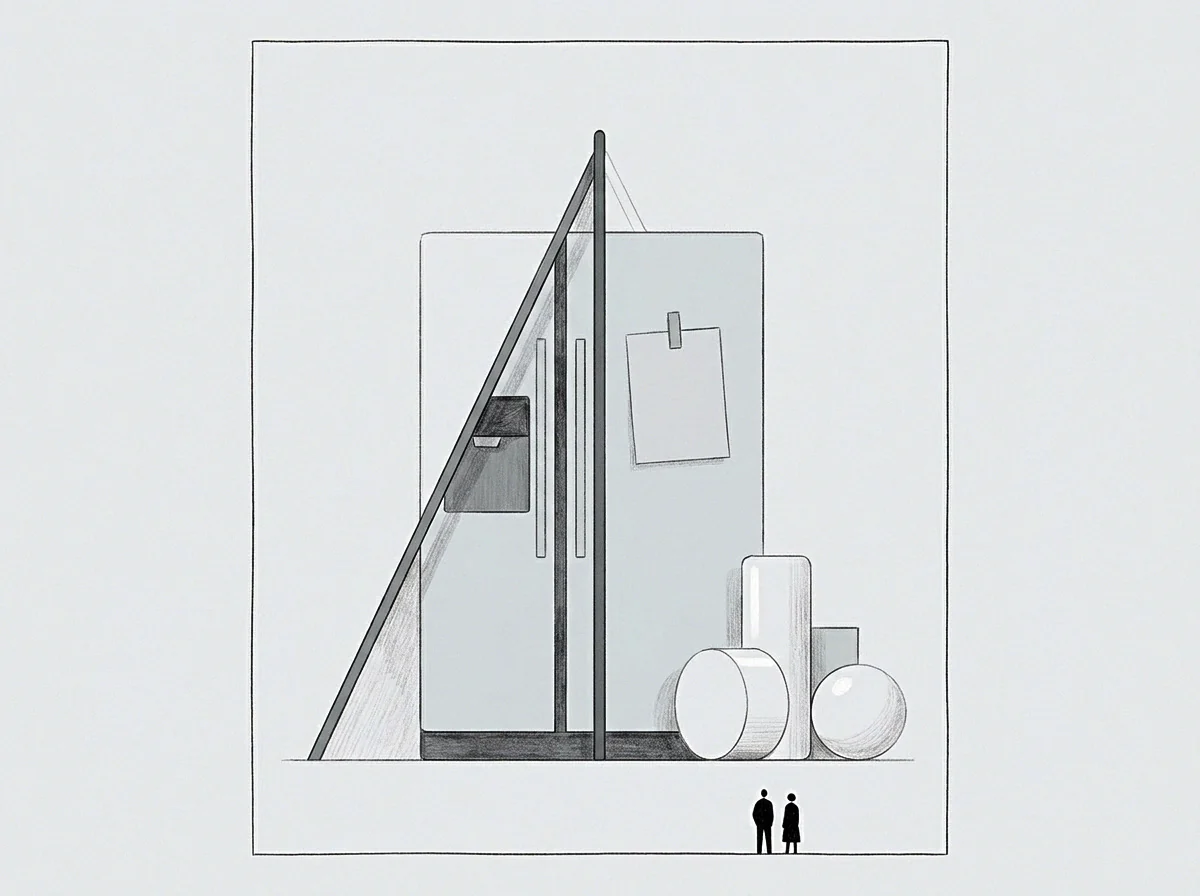
Localized administrative friction distorts operational pathways by forcing edge workers down informal paths of least resistance that accumulate hidden liabilities.
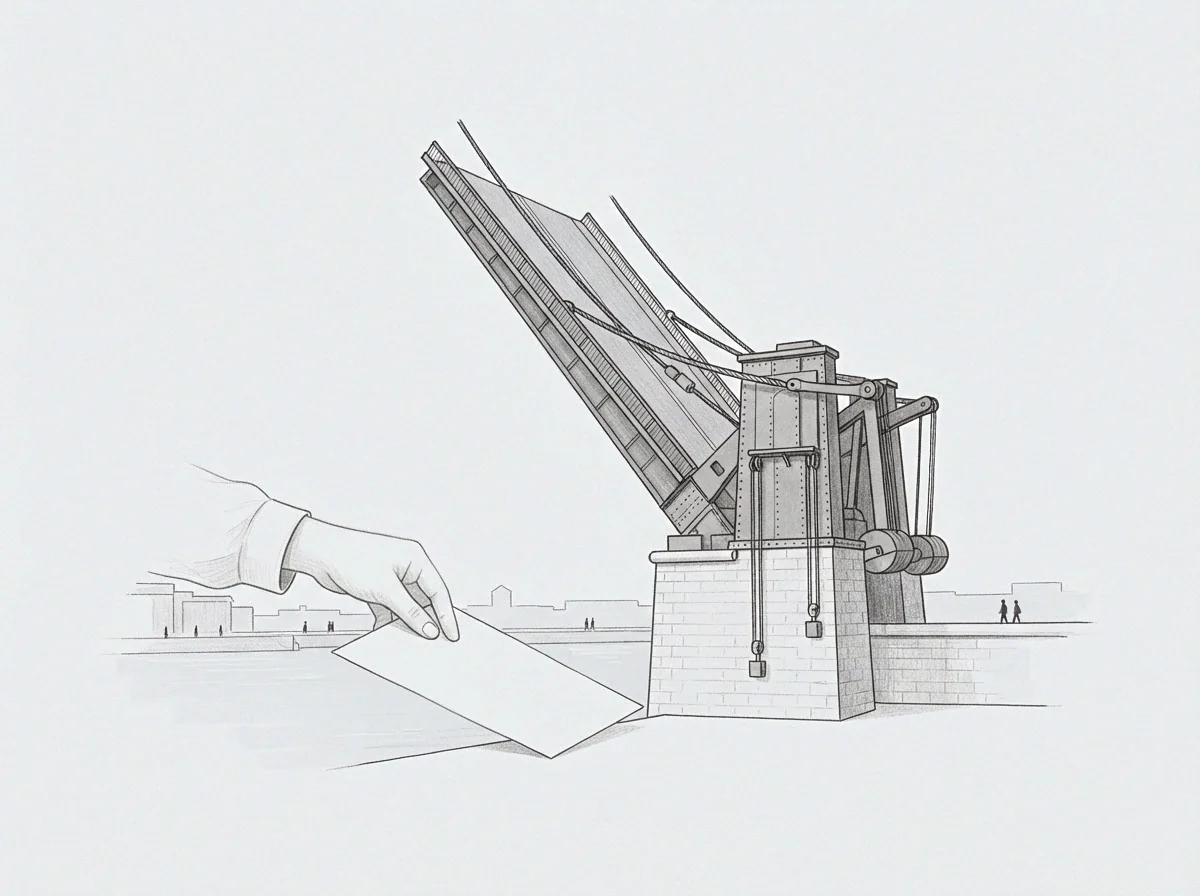
Operational variance measures the vector difference between central planned doctrine and distributed field execution through primary physical activity telemetry.
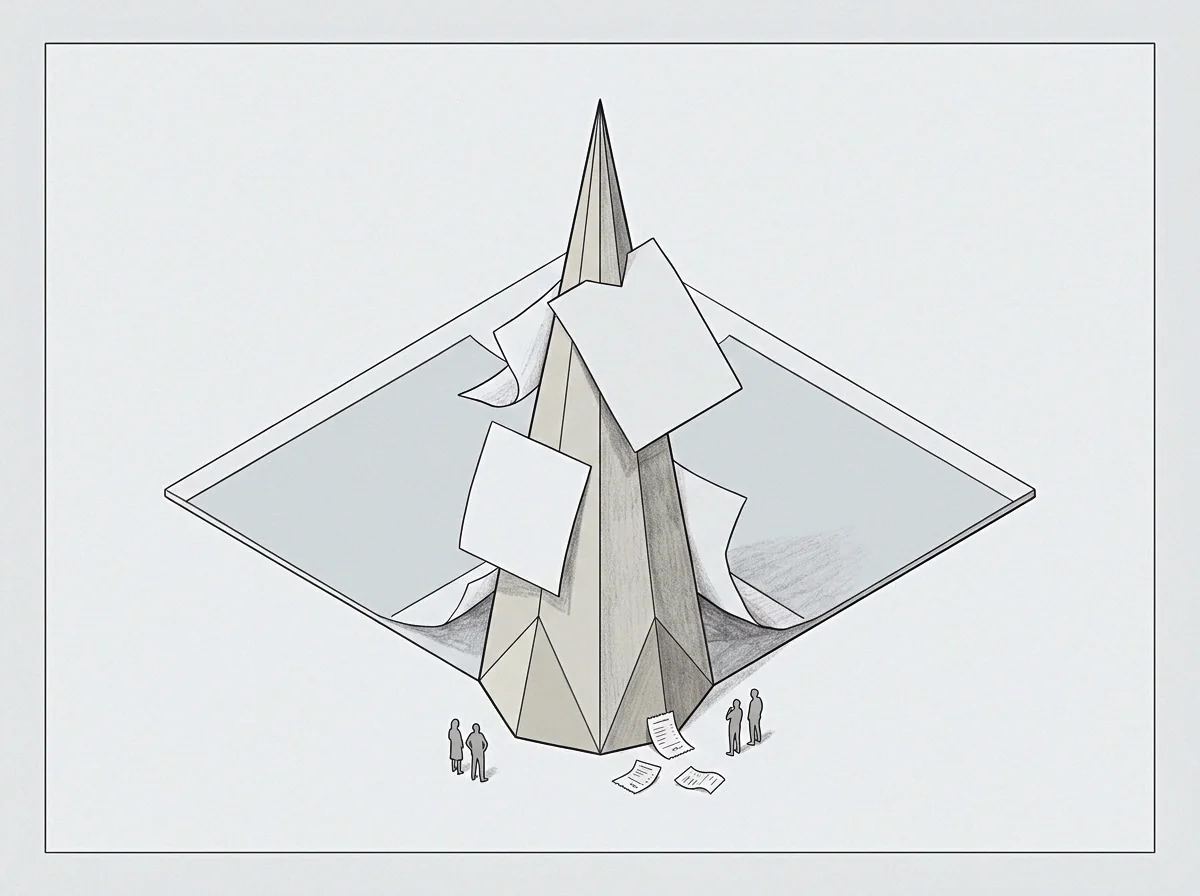
Asymmetrical evaluation windows decouple task completion from systemic velocity by routing local activity around unaddressed operational constraints.
The terms are written where they belong. Each field holds three desks, and every entry a desk writes raises the terms it uses, each term given a meaning, a mechanism and the places it appears. The record on these pages stays first person and hand made; the fields grow the nomenclature.