

Validating Stale Data Ledgers Before Rerouting Production Network Ingress
Validating stale data ledgers before ingress rerouting prevents routing packets into nodes with invalid state, avoiding retry cascades and dropped connections.

Cost is a vector, never one number: hours, money, capability, capacity, attention, each with its own magnitude. Cost is ordinal and price is cardinal, and only cost survives being said to another person. Stating cost while it arrives is what keeps a choice conscious.

Validating stale data ledgers before ingress rerouting prevents routing packets into nodes with invalid state, avoiding retry cascades and dropped connections.

Rebuilding cold infrastructure requires converting static schema definitions and cold data snapshots into verified, running compute topologies.
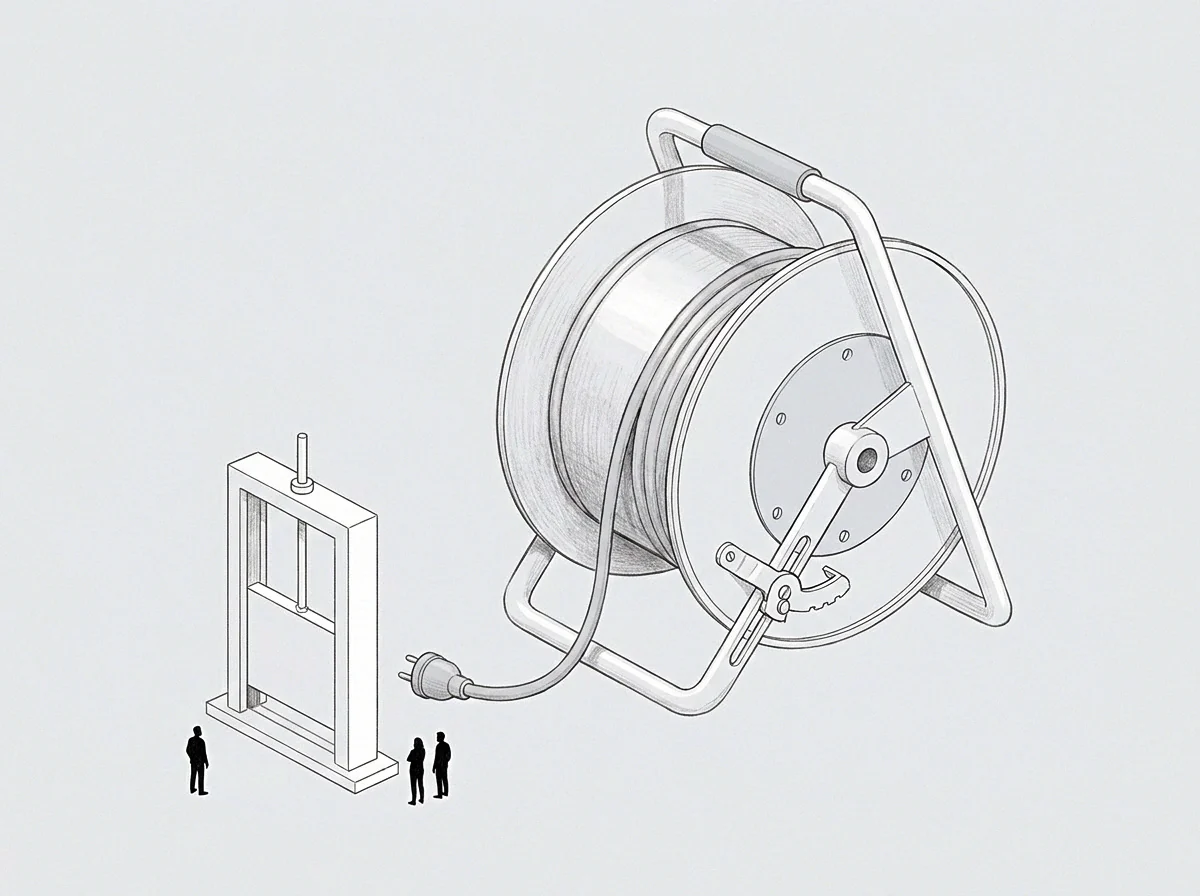
Abrupt workstation termination under capital contraction transfers uncompleted queues to surviving nodes, converting payroll savings into throughput collapse.

Cash crises force exact dollar debts against internal resource rankings, requiring conversion of operational capacity into verified liquidity to preserve survival.
Value is the axis. The gradient is computed from it and carries no judgment: descent is the path of least resistance, and its mirror above the baseline is the latent potential. What a system routes around is where its unprocessed material sits.
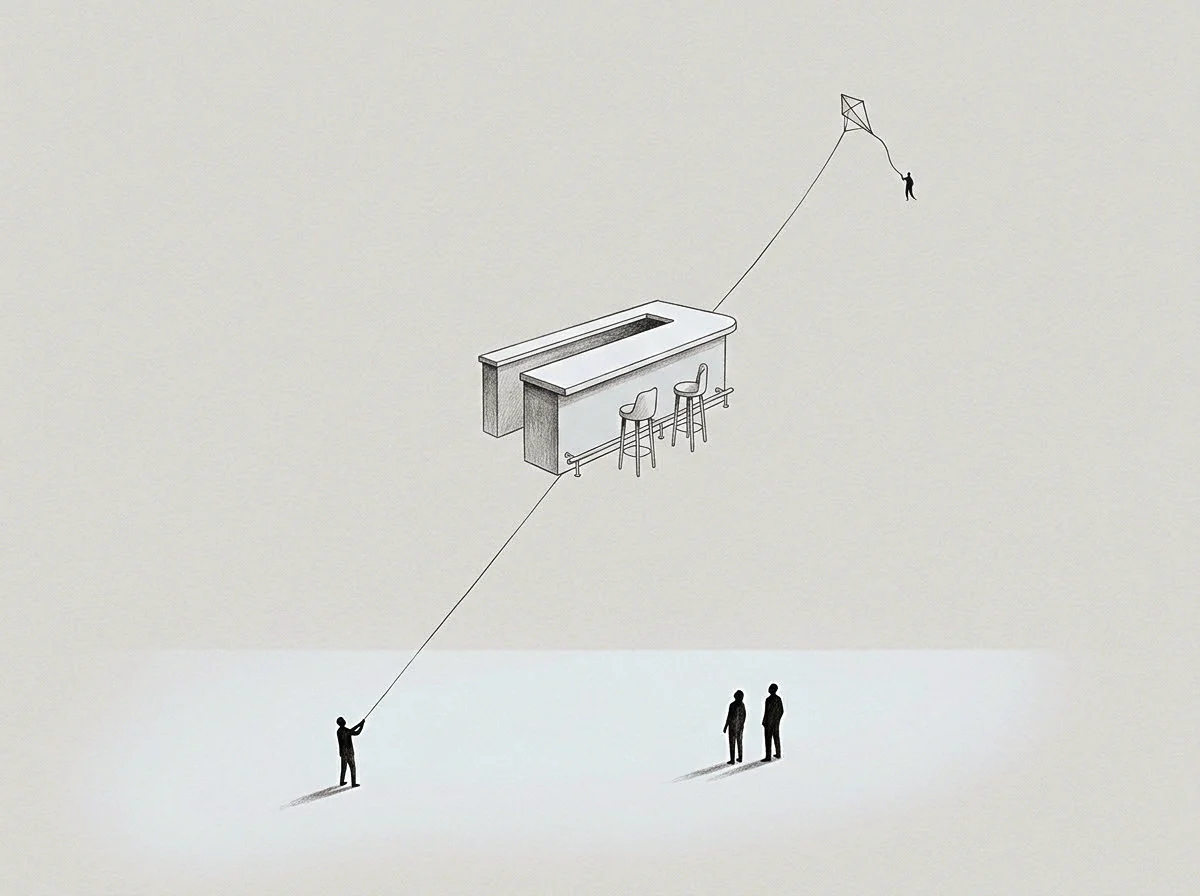

Internal workflow friction occurs when tasks route around ill-defined decision boundaries, accumulating unprocessed material along the path of least resistance.
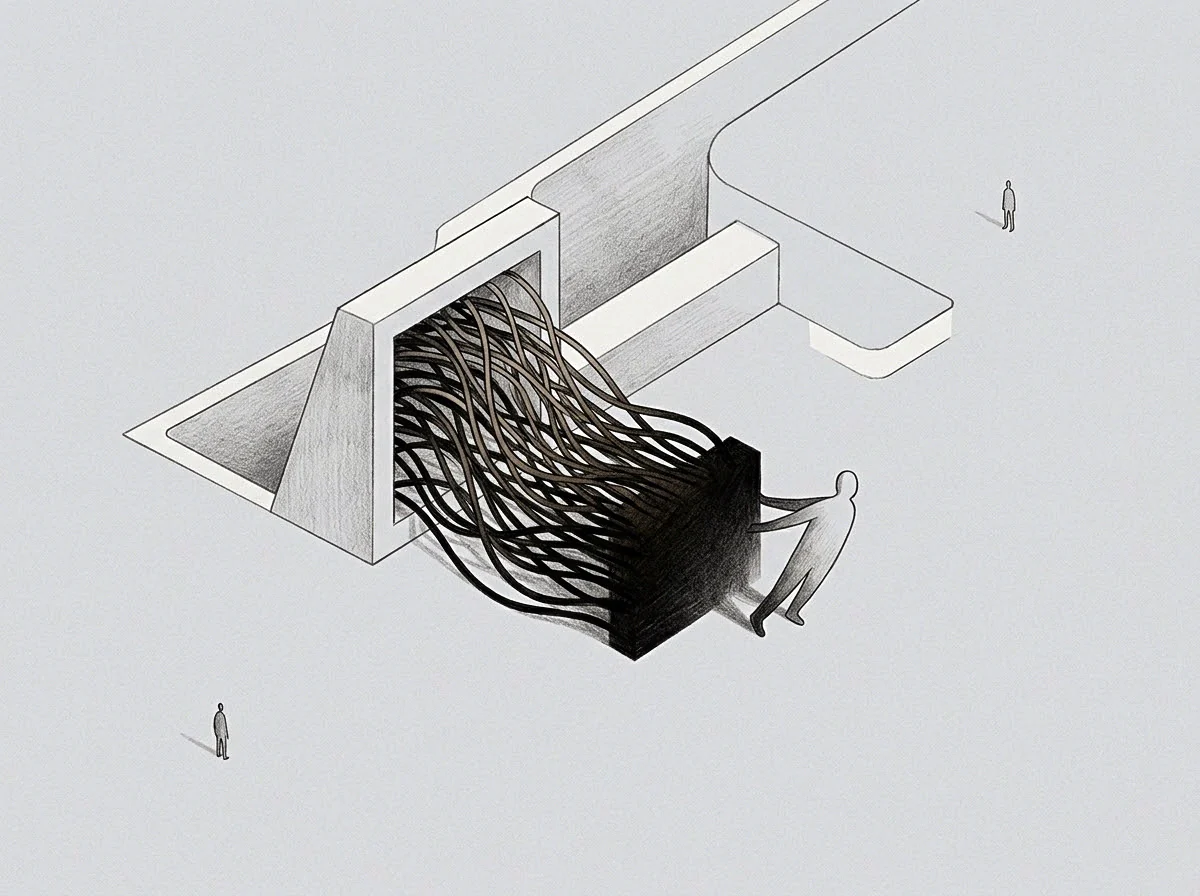
Systemic boundary failure occurs when hidden queue backpressure exhausts latent buffer capacity before operational feedback loops adjust execution throughput.

Damped error feedback smooths operational failure variance, creating inflated execution capacity baselines that mask latent processing bottlenecks until peak stress occurs.

Hidden friction signals manifest as systemic rerouting around operational boundaries where formal setpoints clash with actual computational costs.
Did it move. Feedback lives in data that needs no third party; validation is the moment a thing leaves the head. The shortcut is invariant, the same answer whatever enters it, and invariance is the tell.


Bayesian particle filtering estimates capital survival bounds by propagating non-Gaussian density distributions through sequential Monte Carlo state updates during revenue shocks.

Sequential Monte Carlo filtering isolates structural burn rate by weighting state particles against non-Gaussian revenue noise and variable payment latencies.

Stochastic state estimation tracks cash depletion by filtering noisy ledger balances through recursive algorithms to estimate latent liabilities and true ruin dates.

Retention decay accelerates as acquisition channels saturate in non-stationary markets, requiring joint covariance measurement to project unit economics accurately.
The terms are written where they belong. Each field holds three desks, and every entry a desk writes raises the terms it uses, each term given a meaning, a mechanism and the places it appears. The record on these pages stays first person and hand made; the fields grow the nomenclature.