

Calculating Signal Aliasing Across Divergent Organizational Feedback Loops
Signal aliasing occurs when slow discrete governance sampling collapses rapid operational feedback cycles into false linear trends and phantom stability.
Signal aliasing occurs when slow discrete governance sampling collapses rapid operational feedback cycles into false linear trends and phantom stability.

Operational speed turns into wasted motion when tactical execution cycle times drop below the latency threshold of strategic feedback verification.
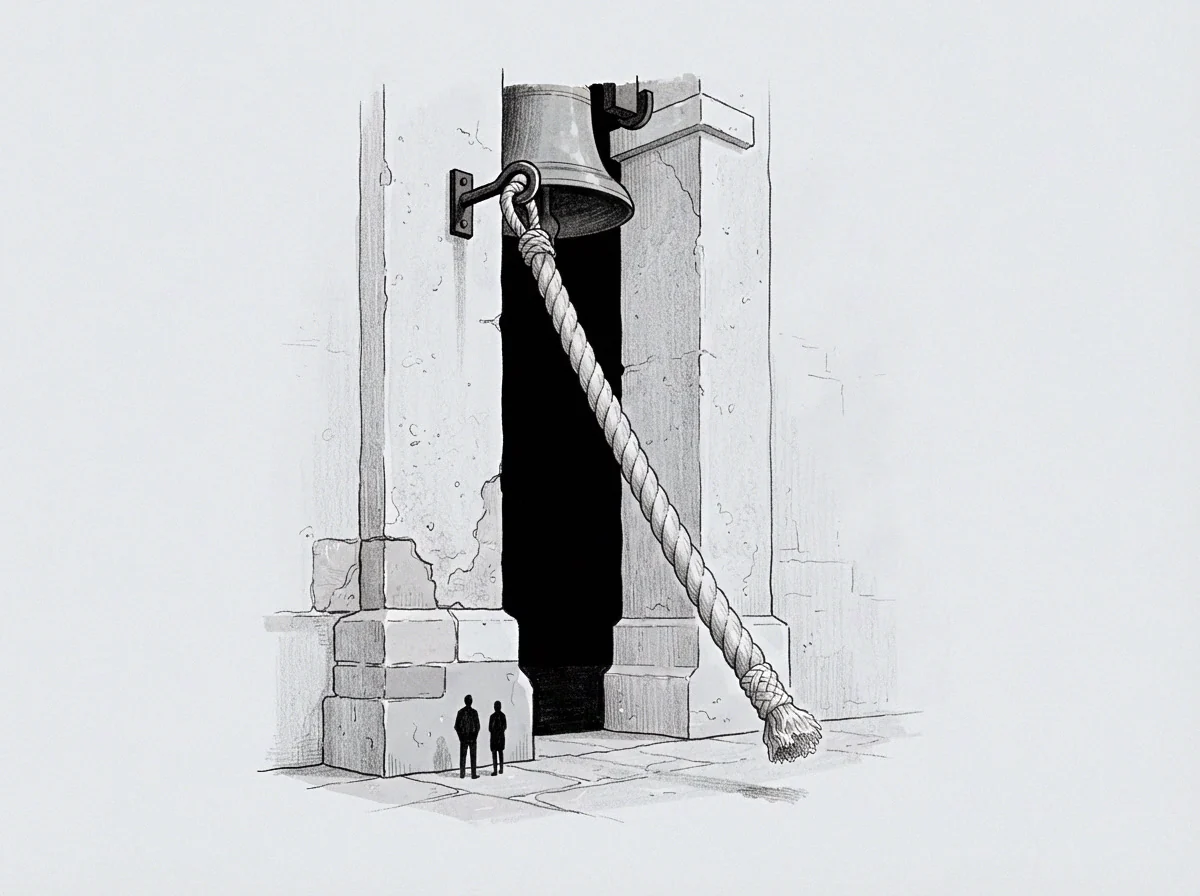
Signal decay across operational tiers follows an exponential loss function driven by administrative compression, incentive distortion, and transmission latency.

Cardinal burn enforces a rigid temporal ceiling while ordinal skill acquisition advances through non-linear plateaus that resist arithmetic averaging.

Early stage operational metrics track multidimensional vectors of hours attention and capability rather than reduced cardinal prices.

Value measurement inside autonomous operating units requires tracking ordinal operational trajectories and system friction rather than relying solely on cardinal financial accounting.

Balancing incident response speed against structural resilience balances rapid containment velocity against the long term capacity of core system architecture.
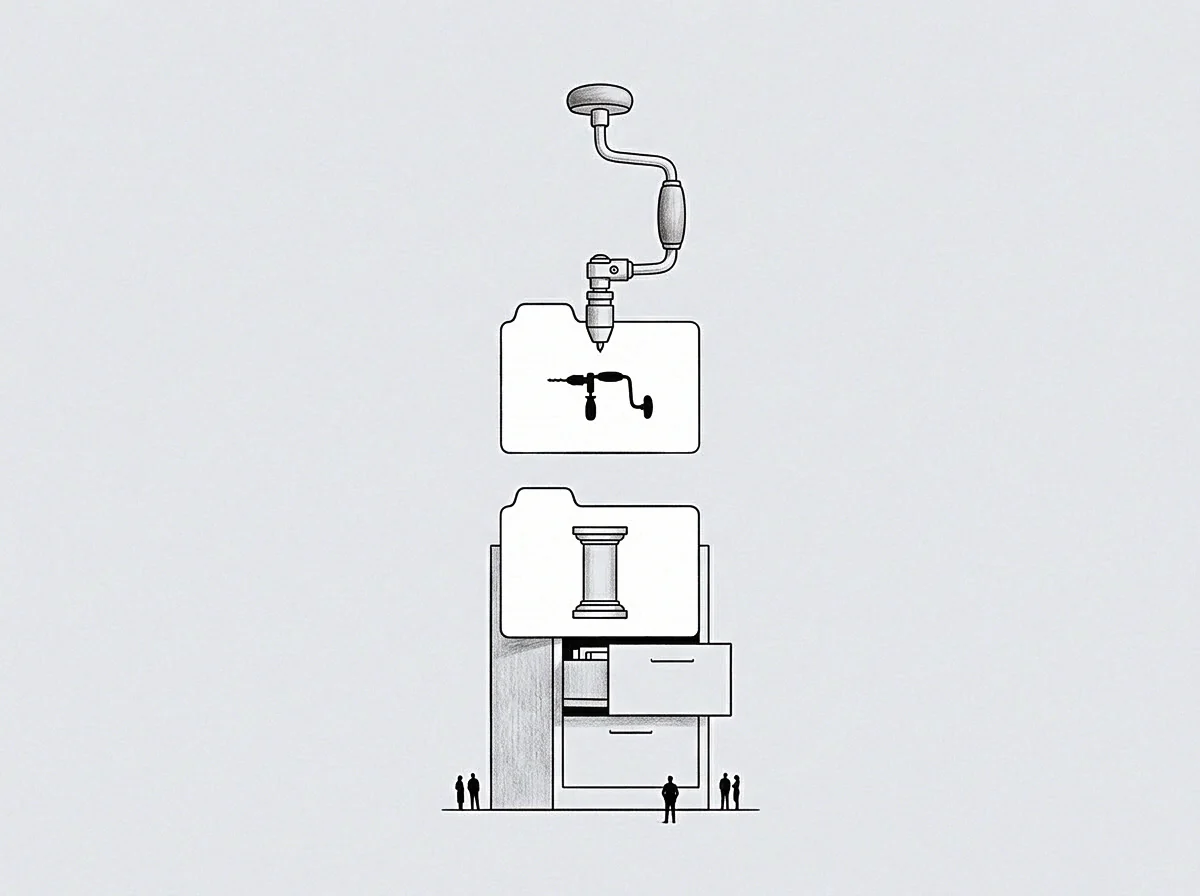
Quantifying reference class variance in data poor domains demands decomposing novel assets into historical component invariants to establish bounded dispersion models.
The terms are written where they belong. Each field holds three desks, and every entry a desk writes raises the terms it uses, each term given a meaning, a mechanism and the places it appears. The record on these pages stays first person and hand made; the fields grow the nomenclature.