

Short-Term Operational Margin Preservation Under Fixed Pricing
Fixed pricing preserves operational margins only when direct labor hours are strictly capped against milestone deliverables through objective acceptance criteria.

Fixed pricing preserves operational margins only when direct labor hours are strictly capped against milestone deliverables through objective acceptance criteria.

Realized event telemetry computes foreign category volatility by measuring operational intervals rather than relying on delayed accounting totals.
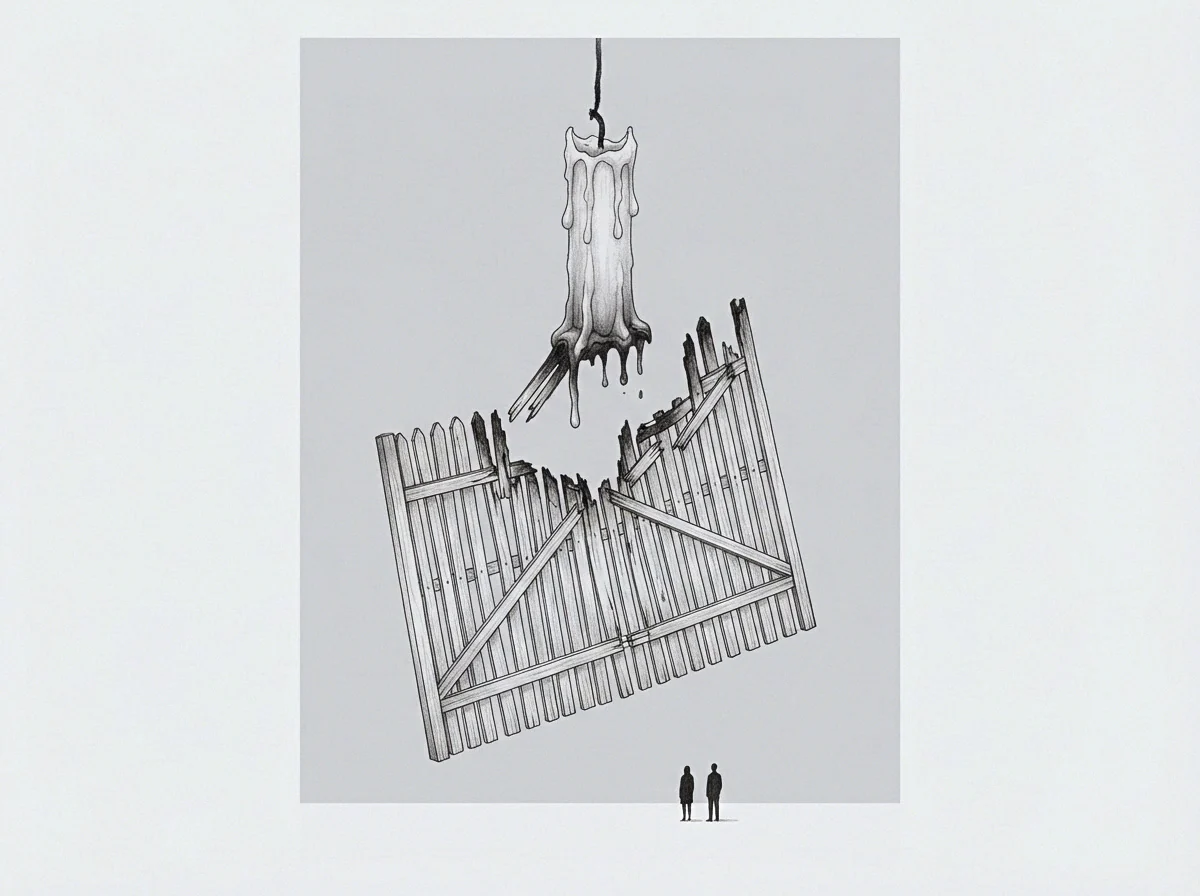
Delay metrics across process stage gates measure structural avoidance and quantify the unspent work volume held above baseline governance friction.

Dynamic decoupling of physical buffer stock from jurisdictional customs clearance prevents margin destruction under asymmetric international demand variance.

Operational friction baselines emerge by calculating the energetic distance between documented clearance paths and the undocumented workarounds teams deploy.

Translating ordinal operational priorities into cardinal prices under capacity strain requires steepening conversion gradients to match internal task drag.

Avoidance indicates structural absence rather than latent friction whenever an operational system lacks load-bearing machinery to execute the mirrored climb.

Reversing an operational workaround extracts the geometric trajectory of manual avoidance and directs development leverage directly at the underlying defect.

Operational deflections mark the precise coordinates where an enterprise evades steep computational friction, trapping latent value behind procedural routines.

Projecting multi-axis operational capacity consumption into cardinal commercial terms requires translating non-fungible cognitive and calendar vectors into defensive pricing boundaries.

Converting internal operating strain into external contract rates maps unbudgeted capacity and attention deficits into cardinal fees and volatility surcharges.

Deploying capital on fixed schedules into asymmetric regional markets creates compounding balance sheet drag as unabsorbed liquidity degrades overall returns.

Unpriced client escalations convert fixed deliverables into unbounded capacity drains by decoupling executive intervention from cardinal economic penalties.

Thermal clock drift desynchronizes local sensor timestamps, corrupting cross-product transformations and generating fictitious accelerations in rotating frames.

Dynamic technical capacity creates operational onboarding latency that triggers rigid downtime contract penalties unless incident response remains dedicated.

Calibrating capital tranche release gates against regional liquidity variance aligns disbursement timing with empirical local banking cash settlement speeds.

Phase inversion drift occurs when aerodynamic heat shifts dielectric polarity, requiring spatial differential tracking to decouple sign flips from true load.

Capital tranche releases scale according to empirical milestone validation rates and regional settlement latencies, determining true balance sheet liquidity.

Structural friction vectors degrade capital utility during cross-border allocation through regulatory, administrative, and jurisdictional clearing delays.

Resolving local reference frame offsets requires estimating spatial lever arms and boresight rotations to decouple platform motion from false kinematic forces.

Regional variance delta measures the operational divergence between local capital consumption rates and downstream syndication hurdles across geographic markets.

Initial capital allocation across international markets scales with local payback velocity and feedback speed rather than cardinal market size projections.

Synthetic acceleration protocols deploy high-velocity probe shipments to distinguish international conduit latency from terminal market demand destruction.

Regional conversion drops separate into network delay and checkout friction by running synthetic latency injection experiments on domestic traffic baselines.

Unprocessed spatial impedance along system boundaries stores unspent operational energy as a latent potential gradient mapped directly by workflow avoidance.

Commercial engineering retainers convert developer availability into recurring revenue by pricing operational risk reduction instead of logged labor hours.

Executive attention orders tasks ordinally by immediate urgency while capital extensions price assets cardinally using forgone enterprise opportunities.

Net operating cash thresholds mask internal vector decay when routine service fulfillment consumes technical attention and halts skill acquisition.
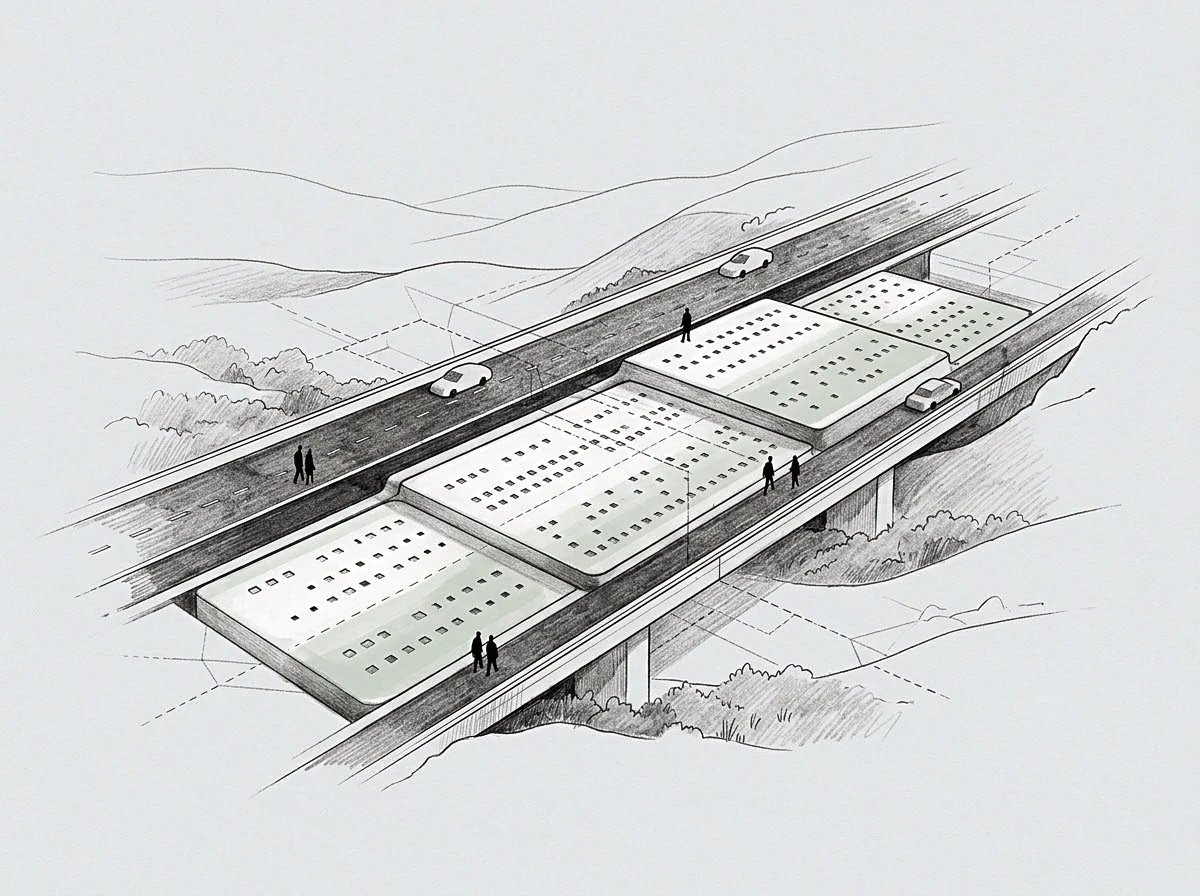
Logistical lag delays fulfillment for existing demand, whereas market resistance reveals prospective buyers actively refusing the offering regardless of capacity.

Operational intent is isolated by mapping directional displacement along an ordinal value axis, distinguishing real upward progress from ambient baseline churn.
The terms are written where they belong. Each field holds three desks, and every entry a desk writes raises the terms it uses, each term given a meaning, a mechanism and the places it appears. The record on these pages stays first person and hand made; the fields grow the nomenclature.