

Gradient Variance Calculation When Scaling Resource Output Across Operational Boundaries
Gradient variance measures capacity dissipation across domain seams by comparing expected output rate against actual performance delta.

Gradient variance measures capacity dissipation across domain seams by comparing expected output rate against actual performance delta.

Statistical telemetry architectures measure platform migration by continuously analyzing output divergence across dual-run platforms to automate traffic routing.

Establishing new delivery baselines after a direction change requires purging legacy metrics and recording throughput over a fresh observational window.

Boundary price floors are calculated by dividing revenue requirements by maximum cognitive capacity rather than billable calendar hours.

Resource return rates in convex allocation models are measured by isolating the local directional derivative of capability against marginal input increments.

Structural variance occurs when trailing financial metrics lag live operational execution vectors, requiring window alignment to read true directional momentum.

Predictive headroom decay functions calculate ring buffer exhaustion rates during asynchronous bursts, allowing nodes to shed load before tail drops occur.

Communication latency converts to fee escalations by tracking dependency stall durations against contract baselines to apply automatic capacity surcharges.

Stateful stream backpressure forces in-flight records into persistent memory allocations, exhausting queue buffers when downstream sinks halt consumption.

Gross contribution margin degrades across distribution transitions when unbudgeted compliance fines, trade allowances, and settlement delays erode unit cash yields.

Asynchronous communication in retainers imposes fragmented cognitive load that traditional hourly billing fails to measure, eroding capacity without payment.

Trailing customer payback windows measure historical cohort cash recovery, masking marginal acquisition cost increases and churn before distribution shifts.
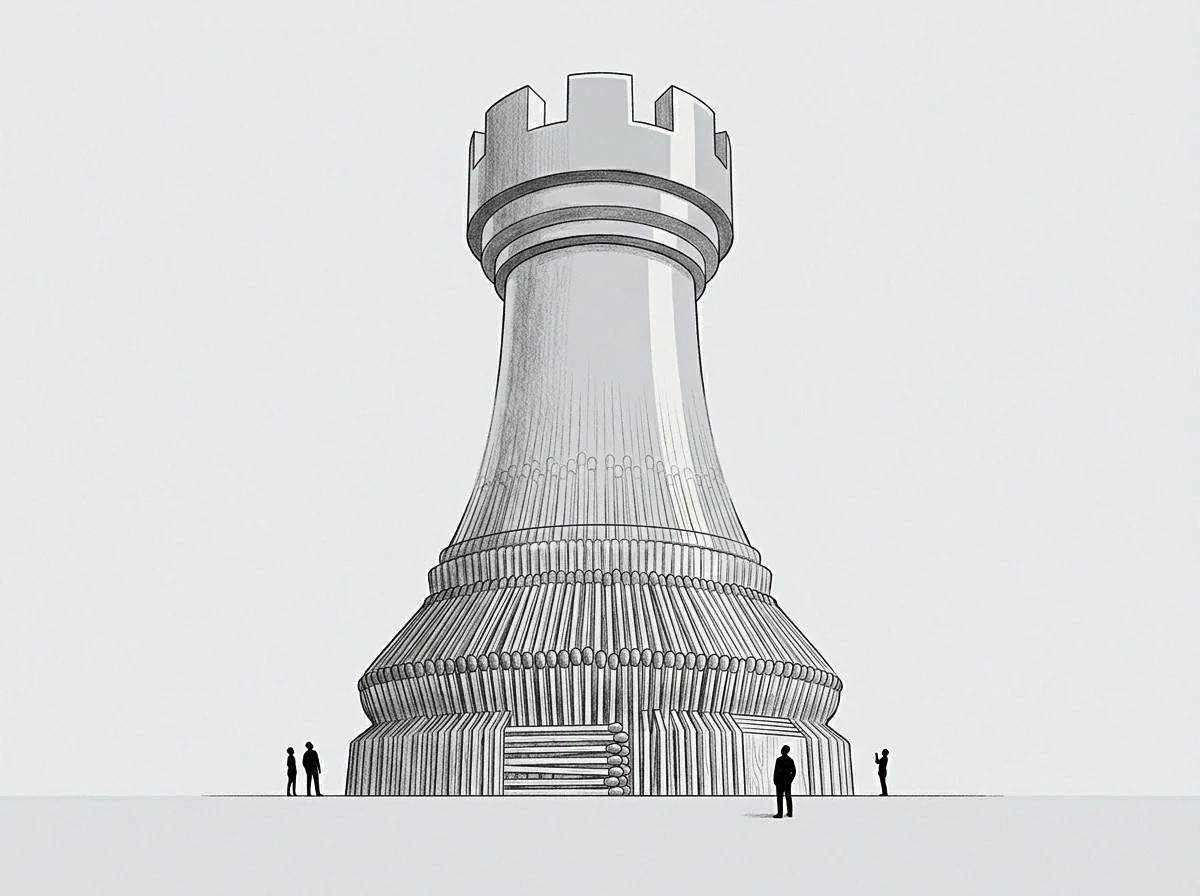
Unmitigated micro-failures erode true throughput margins, causing iterative systemic redesigns to inherit latent fatigue and fail below rated concurrency.

Boundary pressure and load variance distinguish administrative flow restriction from mechanical decay when counterparties conceal asset operating telemetry.

Queue saturation reflects the positive derivative of fill volume against drain capability across microsecond windows rather than static capacity exhaustion.

Operational boundaries fail under alert instability when operators bypass structural interfaces to quiet alarms, requiring strict telemetry decoupling to survive.
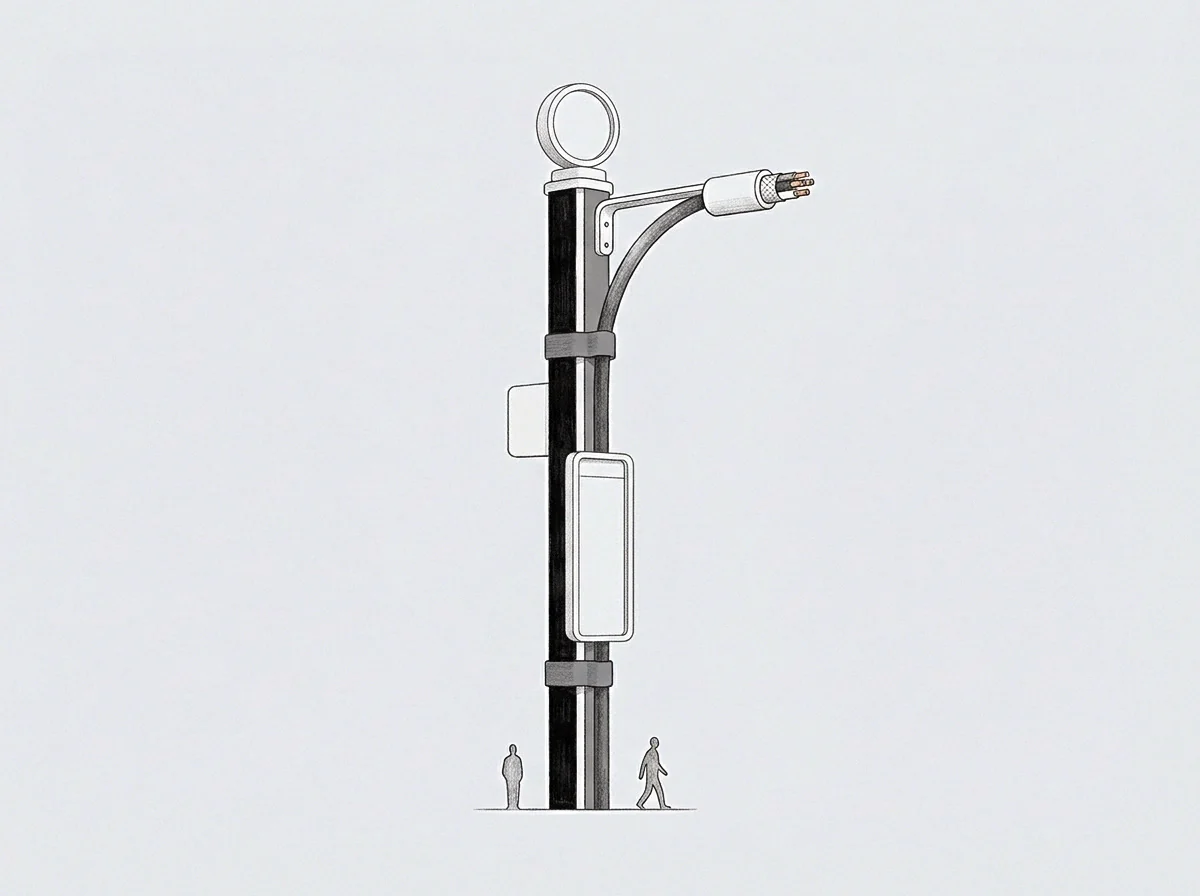
Telemetry isolation extracts true operational velocity by filtering reciprocal feedback loops across connected supply chain networks.

Engineering capacity isolation during persistent outages requires physical structural blast walls separating frontline containment from root cause remediation.
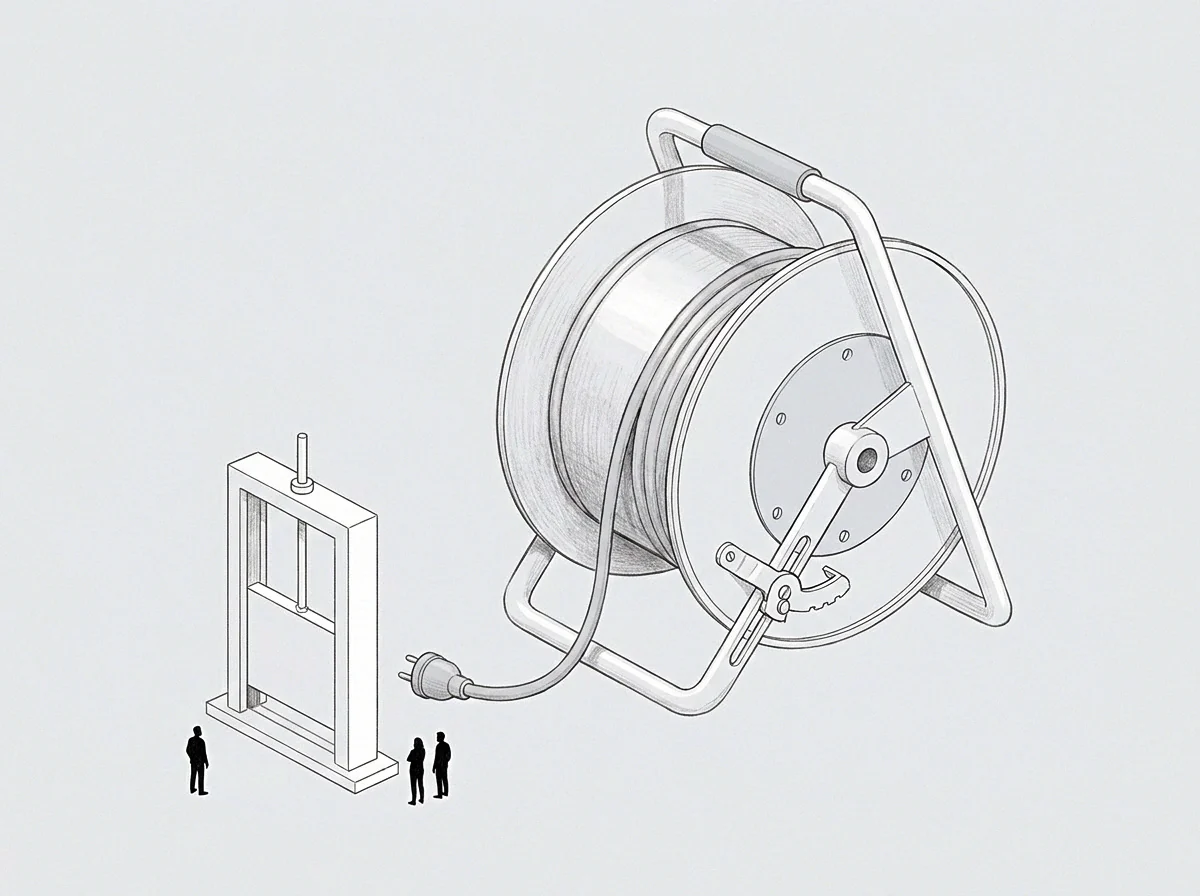
Continuous latency gates evaluate canary percentile distributions against steady-state tenant baselines to halt regressive software deployments automatically.

Duplicated live ingress requests routed through mock downstream stubs expose candidate microservice tail latency spikes without mutating active databases.
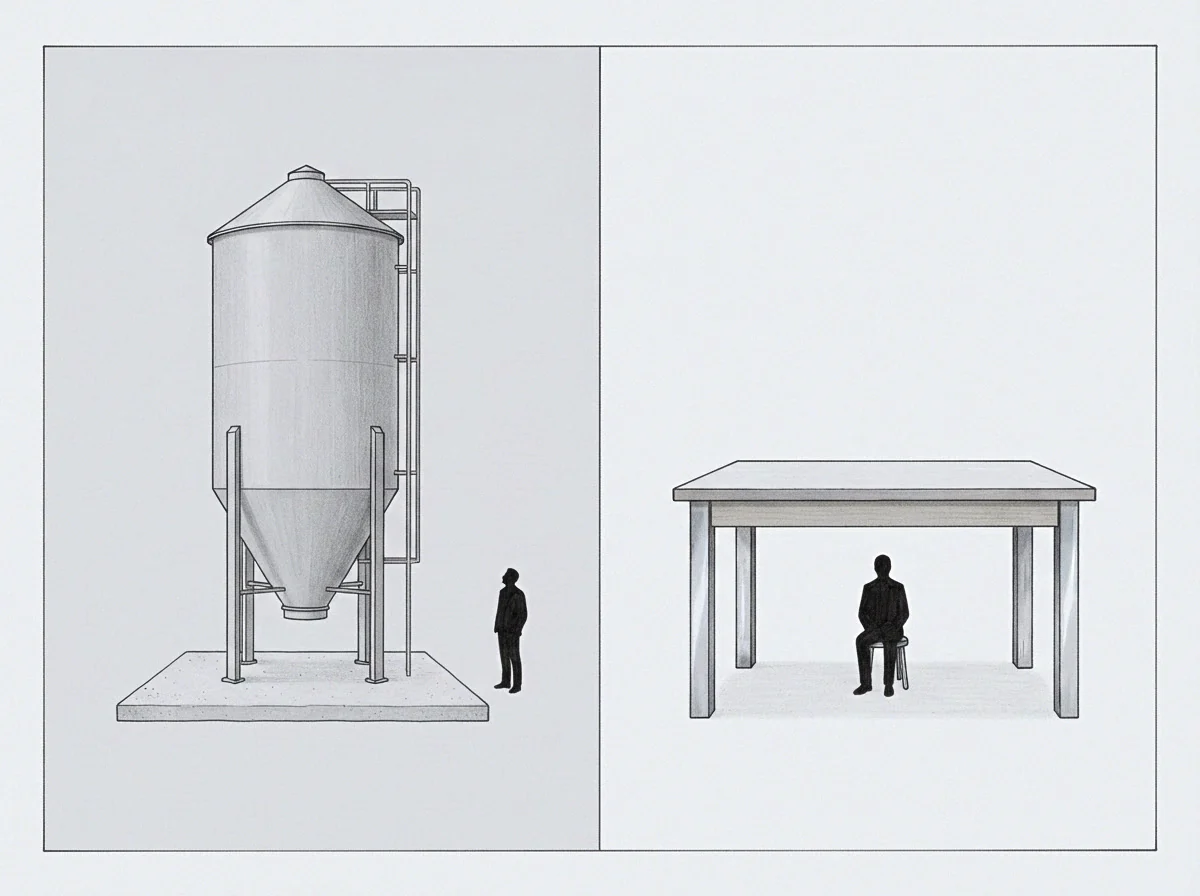
Structural capital decays across multi-tiered boundaries when administrative access friction exceeds the market cost of external operational workarounds.
Operational velocity under opaque conditions must match actuator frequency to sensor latency, preventing uncalibrated internal throughput from burning runway.

Liquidity allocation during fixed capacity inflections requires pre-funding step-cost outlays while isolating working capital buffers from operational friction.

Unobserved structural covariance in machine learned distributions is resolved by coupling conditional copula latent vectors to private market clearing proxies.

Cross-domain proxy extraction tracks independent external digital footprints to verify private venture milestone completion against historical baselines.

Dynamic backpressure throttles batch migration size against database lock queues and replication lag, preventing tail latency spikes in concurrent workloads.

Dynamic capital buffer calculation scales reserves non-linearly with cross-border settlement delay duration by compounding replacement volatility and haircut factors.

Synthetic base rates decompose early venture risk into modular empirical hazard rates borrowed from parallel industries to anchor underwriting distributions.

Transfer delays produce technical defaults when outbound cash spikes drain operating accounts faster than yield repositories can liquidate and settle capital.

Continuous incident interventions degrade baseline capacity by compounding cognitive switching costs and forcing teams to trade long-term architectural health for immediate uptime.
The terms are written where they belong. Each field holds three desks, and every entry a desk writes raises the terms it uses, each term given a meaning, a mechanism and the places it appears. The record on these pages stays first person and hand made; the fields grow the nomenclature.