

Isolating Hidden Coordination Drag In Velocity Models
Unmeasured inter-team handoff latency distorts velocity metrics, disguising queue formation as execution progress until structural decoupling exposes net throughput yield.
Unmeasured inter-team handoff latency distorts velocity metrics, disguising queue formation as execution progress until structural decoupling exposes net throughput yield.
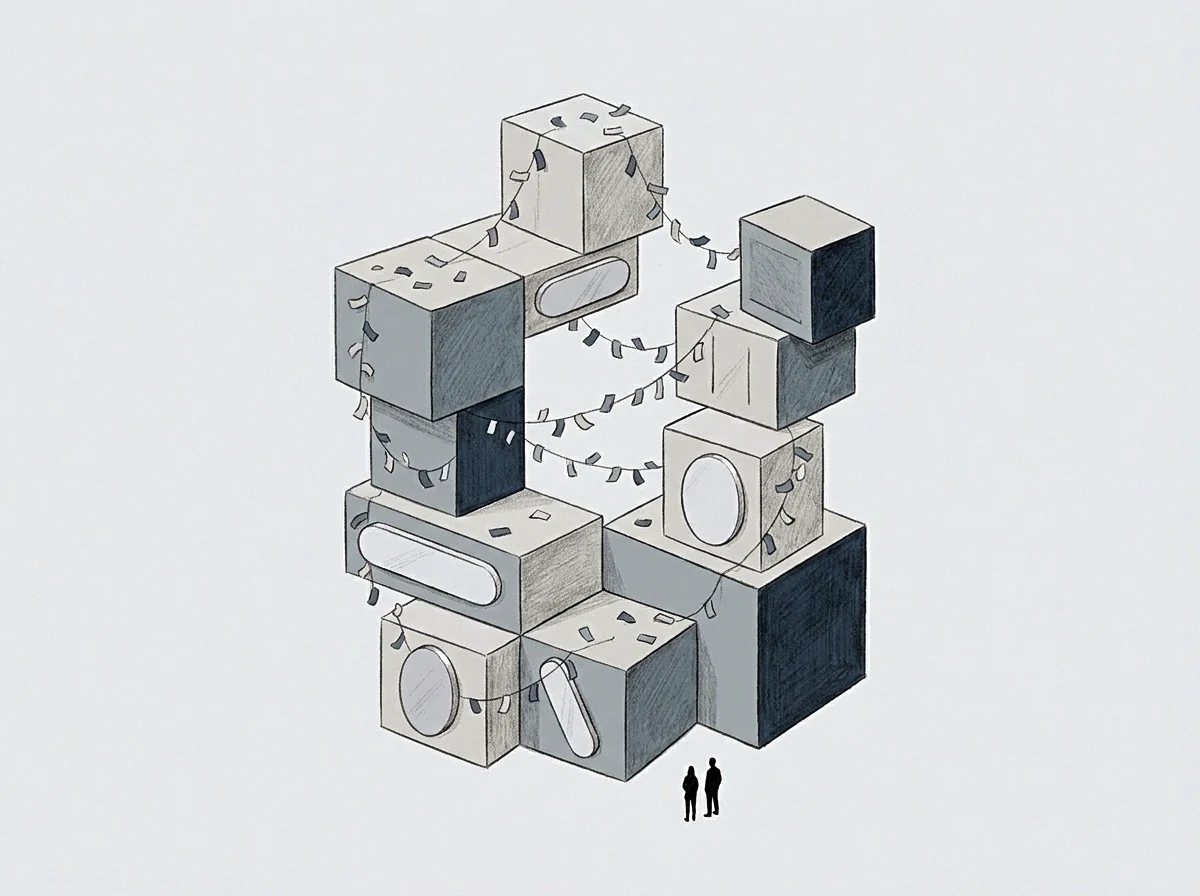
Phase lag vector calculation measures temporal delay and directional divergence across asynchronous execution nodes to quantify dynamic misalignment.

Operational speed turns into wasted motion when tactical execution cycle times drop below the latency threshold of strategic feedback verification.
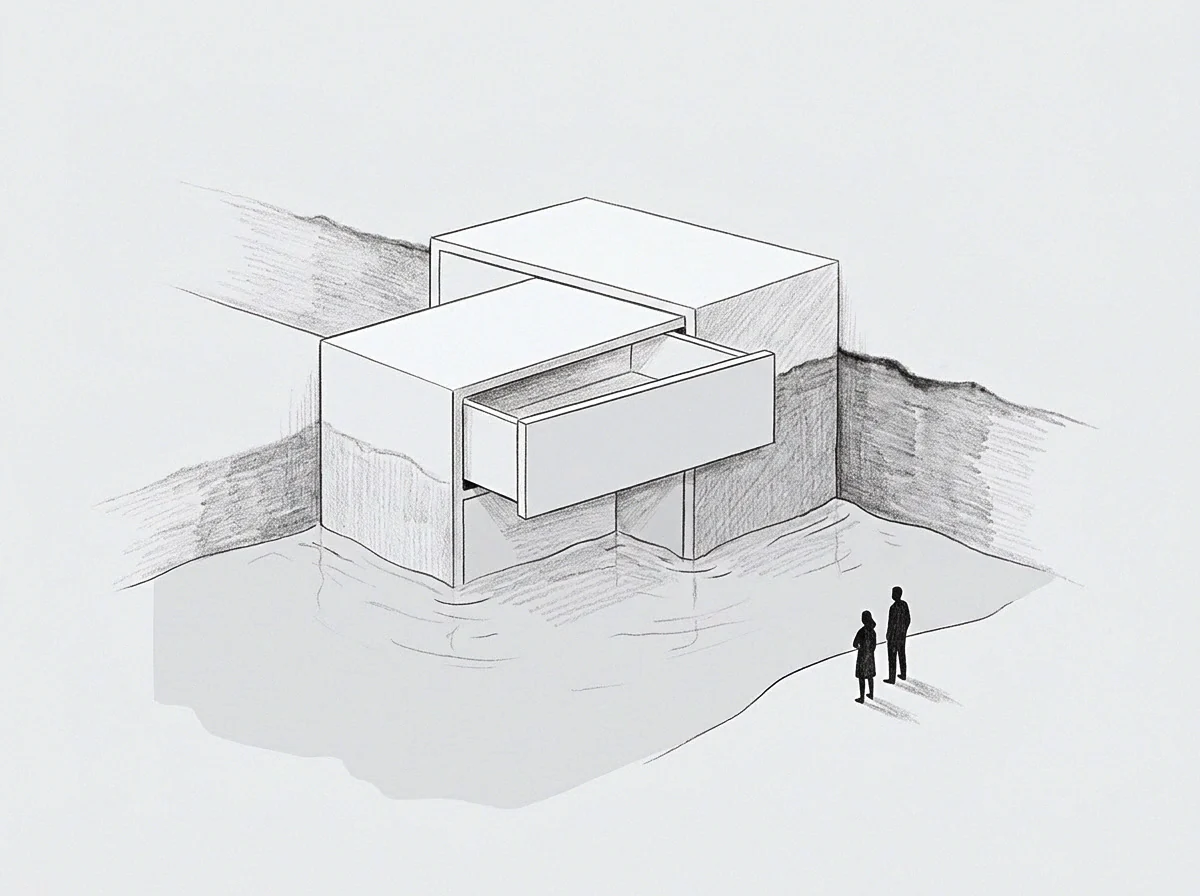
Structural latency is the operational time lag required to reconcile divergent local value gradients generated across asynchronous boundary interfaces.

Structural operational velocity drops when high frequency task cycles produce local optimization noise that slow strategic review loops misinterpret as real directional progress.

Reconstructing attention vectors requires isolating technical capacity behind hard operational bounds when systemic friction exceeds baseline throughput.
Operational alignment vectors across organizational reporting layers require shared baselines to prevent localized metrics from canceling systemic momentum.
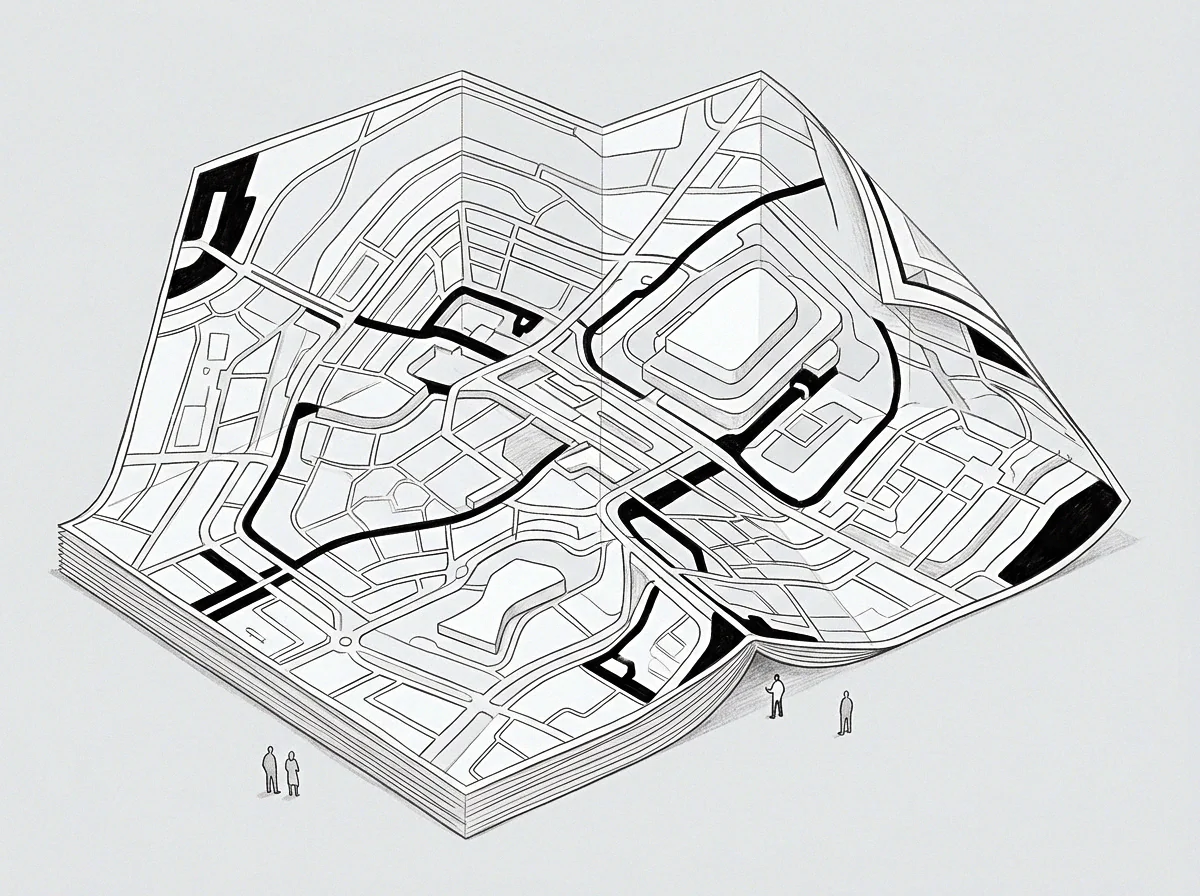
Organizational alignment signals decay across administrative layers as local units optimize work along paths of least resistance to minimize operational friction.
Continuous value measurement across decentralized units requires anchoring local telemetry vectors directly to a shared enterprise baseline to prevent signal loss.
The terms are written where they belong. Each field holds three desks, and every entry a desk writes raises the terms it uses, each term given a meaning, a mechanism and the places it appears. The record on these pages stays first person and hand made; the fields grow the nomenclature.