Meaning
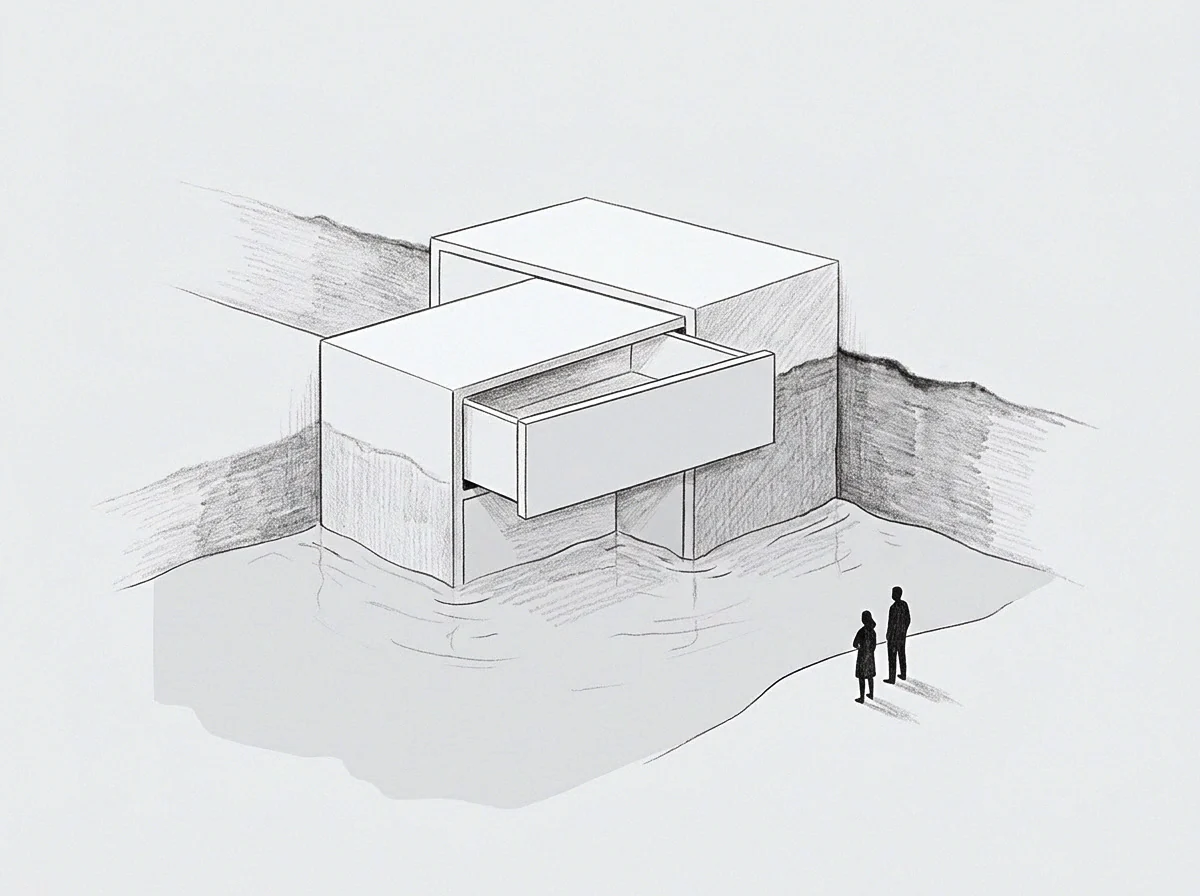
Resource drag occurring when divergent objectives among stakeholders or internal units slow the execution of a primary strategy. High levels of alignment friction function as an ordinal measure of the resistance encountered during the translation of intent into coordinated action. This drag appears most frequently when the individual incentives of a team or department deviate from the collective aims of the organization.
The boundary of the concept is reached when the delay results from technical inability or external market factors.
Coordination Drag
Internal resistance creates a quantifiable slowdown in the decision cycle. When alignment friction increases, the time required to reach a consensus expands and the energy cost per unit of output rises. A leader observes this through the repetition of identical discussions and the stalling of cross functional projects.
Effective monitoring of these intervals allows for the detection of structural bottlenecks.
Incentive Divergence
Misaligned reward structures often generate the underlying force that produces the resistance. Friction of this type stems from a compensation model or a set of performance metrics that encourages local optimization at the expense of global goals.
Execution Penalty
The cumulative impact of these resistances shows up as a failure to hit milestones despite adequate staffing and budget. Because alignment friction is a measurement of internal efficiency, it remains invisible to external balance sheets until the resulting delays erode market position. The penalty is paid in lost opportunity and the exhaustion of personnel who must work through the friction.
Correcting the underlying vectors involves redefining shared outcomes. This ensures that individual success and organizational progress share a single path. The adjustment requires a baseline measurement of current velocity against a hypothetical frictionless state to determine the scale of the required intervention.