Meaning
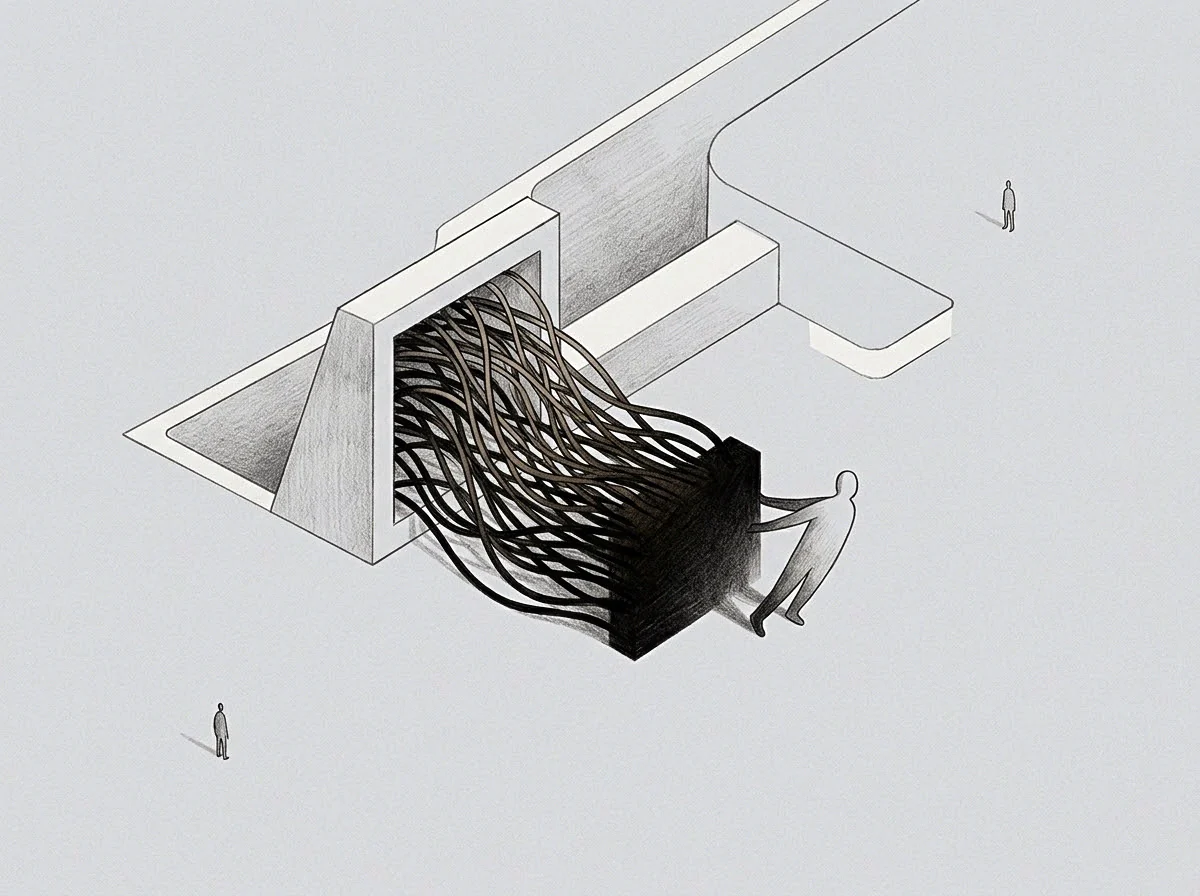
Synchronization between two periodic processes often experiences a shift that prevents them from peaking at the same moment. This phase delay accounts for the time it takes for a change at the source to appear at the output. Measurement of this interval occurs in degrees or time units depending on whether the system is being viewed as a wave or a sequence.
The concept applies only when there is a recurring cycle and fails when the interaction is a one-time event. Monitoring this shift allows for the alignment of disparate operations.
Sequence Gap
Latency occurs because information does not travel instantaneously through a medium or an organization. When a manager issues an order, the phase delay represents the time until the last person in the chain begins work.
Cycle Calibration
Calibration requires adjusting the clocks of different departments to ensure they hit their targets together. A large phase delay means that one team is always finishing its work after the next team needs it. Correcting this requires either speeding up the transmission or starting the first process earlier.
Oscillation Risk
Stability depends on how the delay interacts with the overall speed of the system. If the phase delay equals half a cycle, the response might actually work against the goal, creating a destructive interference. This condition leads to oscillations where the system overcorrects and becomes unstable.