

Calculating Partial Derivatives Across Operational Value Axes From Performance Records
Partial derivatives calculated across operational axes from performance logs isolate local marginal returns to guide resource allocation.
Partial derivatives calculated across operational axes from performance logs isolate local marginal returns to guide resource allocation.
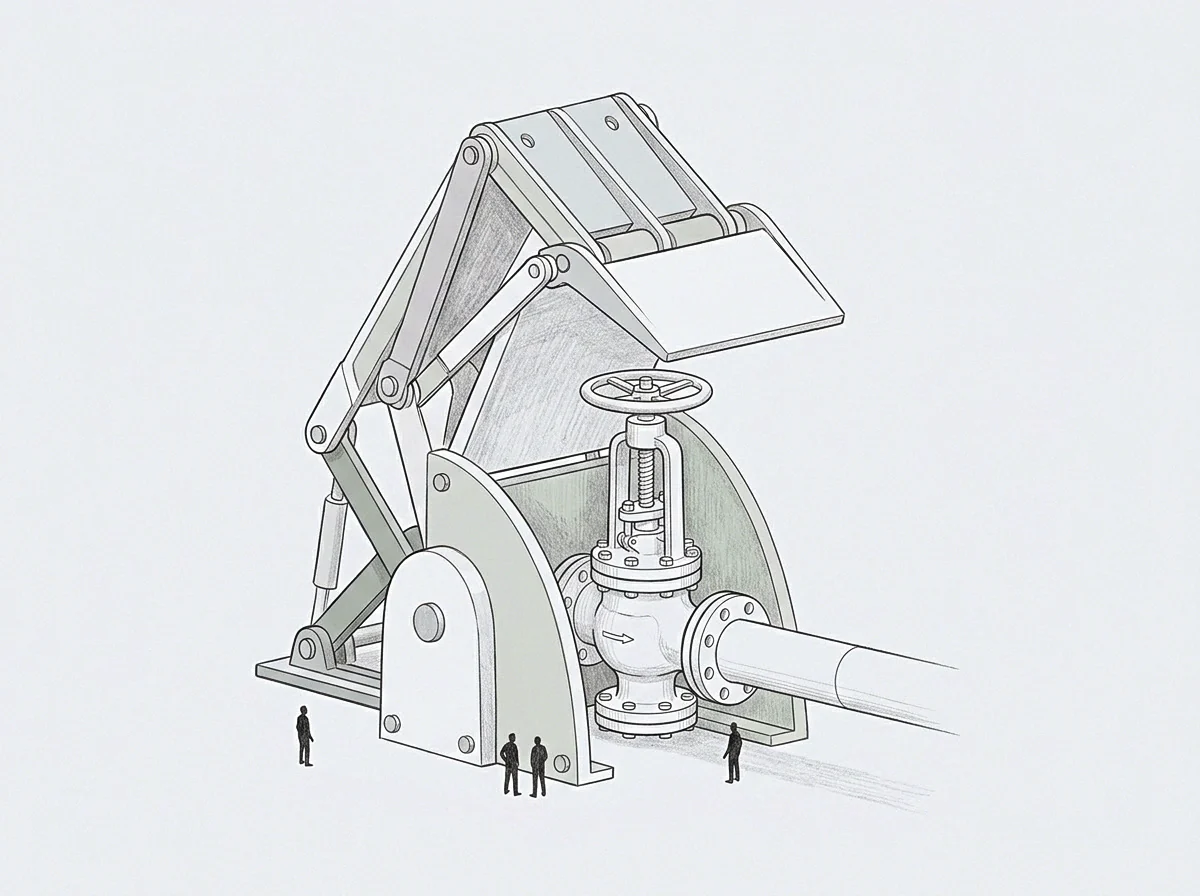
Unresolved parameter covariance corrupts dynamic operational baselines, masking systemic overhead and locking productive capacity behind corrupted setpoints.

Fixed slab arenas and bounded spill iterators restrict out of order telemetry compaction memory consumption to flat rates during extreme skew bursts.

Tail sampling collectors route distributed spans via trace hash rings to evaluate entire execution traces in memory buffers before applying retention rules.

Automated state transition telemetry records precise event timestamps across departmental boundaries to calculate unowned queue latency and handoff delays.

Capital realignments collapse when internal operational friction and contractual commitments consume liquidity faster than converted assets generate cash.

Delayed capital signals detach revenue metrics from operational reality, allowing latent architectural debt to compound unnoticed until renewals collapse.

Capital feedback latency in bottlenecked engineering environments measures the unspent technical risk accumulated during delayed validation loops.

Mathematical instability under structural expansion occurs when capital deployment rates exceed feedback latency, causing gradient updates to diverge wildly.

Gradient variance measures capacity dissipation across domain seams by comparing expected output rate against actual performance delta.

Resource return rates in convex allocation models are measured by isolating the local directional derivative of capability against marginal input increments.

Predictive headroom decay functions calculate ring buffer exhaustion rates during asynchronous bursts, allowing nodes to shed load before tail drops occur.

Queue saturation reflects the positive derivative of fill volume against drain capability across microsecond windows rather than static capacity exhaustion.

Dynamic capital buffer calculation scales reserves non-linearly with cross-border settlement delay duration by compounding replacement volatility and haircut factors.
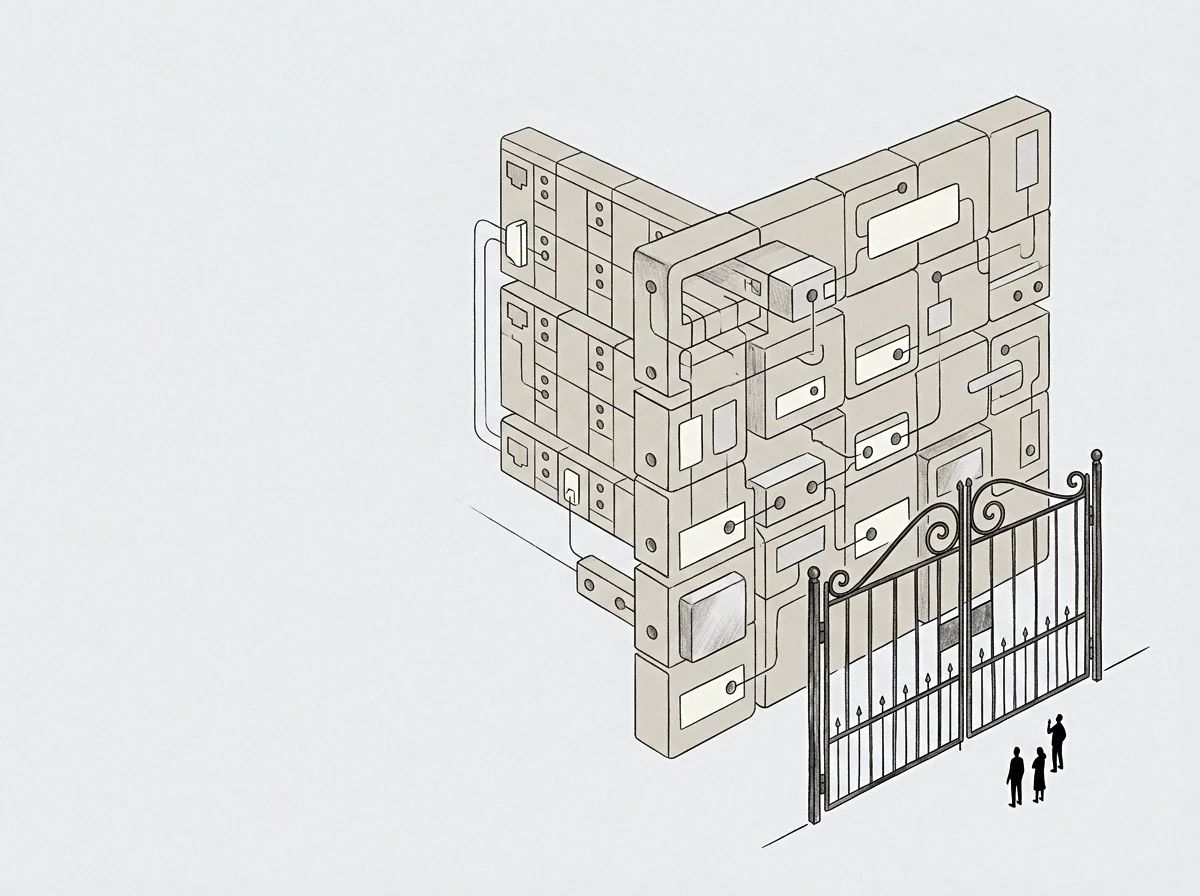
Hurdle gradient spikes measure the instantaneous rate of change in required returns during capital restructuring windows.
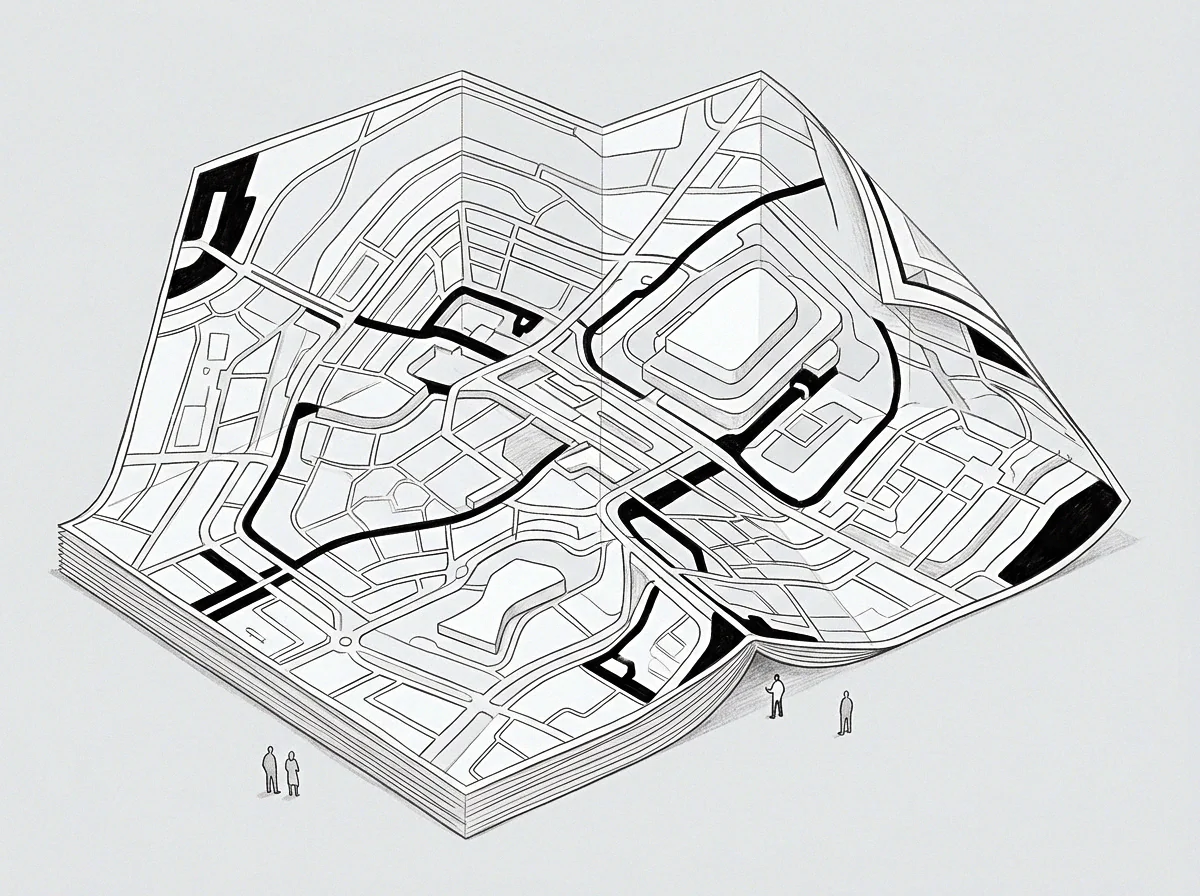
Non-linear downstream headroom collapse occurs when concurrent upstream queues clear simultaneously, triggering multiplicative contention that destroys processing throughput.

Queue overload converts reserve capacity into coordination friction, collapsing realized throughput as arrival rates exceed processing thresholds.

Dynamic buffer depletion modeling tracks net consumption rate gradients against ingress velocity to prevent memory exhaustion in multi-tenant message pipelines.

Memory boundary calculation sets the physical queue limit by combining serialized payload size, runtime metadata wrappers, and arrival-drain differentials.

Managing unused channel capacity balances continuous capital expenditure against tail latency protection during abrupt, heavy-tailed data volume spikes.

Unspent enterprise potential is the volume integral of mirrored value gradients trapped where internal coordination friction halts operational execution.

Reconciling capital allocations requires mapping ordinal organizational resistance as structural terrain constraints against cardinal liquidity boundaries.

Computing directional gradient vectors derives continuous rates of value variance across multi-dimensional surfaces to guide movement beyond flat quadrants.

Resource reallocation slope measures capital transfer velocity across enterprise units by mapping operational friction against marginal divisional yield.

Dynamic capital deployment pacing matches tranche velocity to asset relaxation rates, preventing irreversible yield decay along continuous diminishing return curves.

Truncating evaluation windows forces parameter descent into shallow local minima by penalizing the transient losses necessary for structural adaptation.

Tracking structural failure thresholds requires measuring informal latency drift and boundary friction before operational yield becomes irreversible deformation.
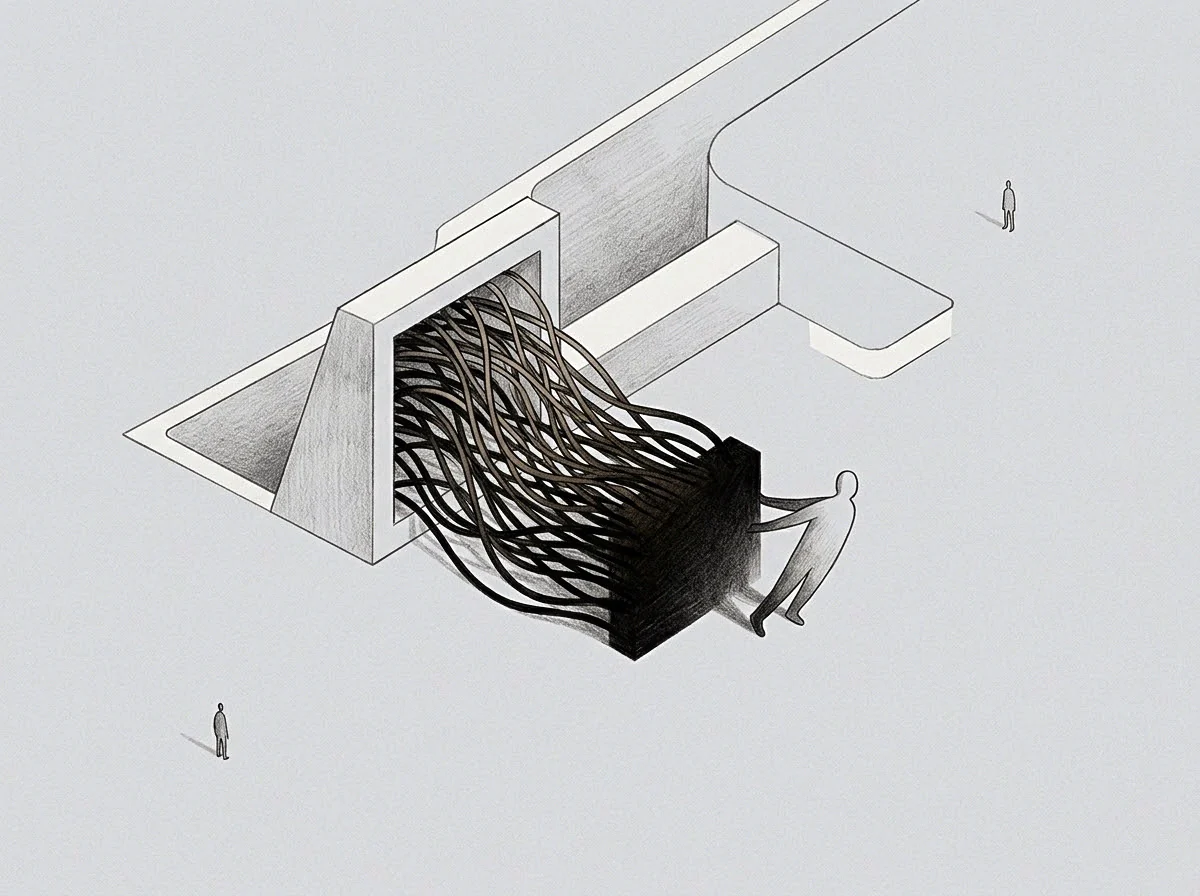
Boundary alterations in high latency environments release stored operational tension along paths of least resistance, measurable by tracking coordination lag.
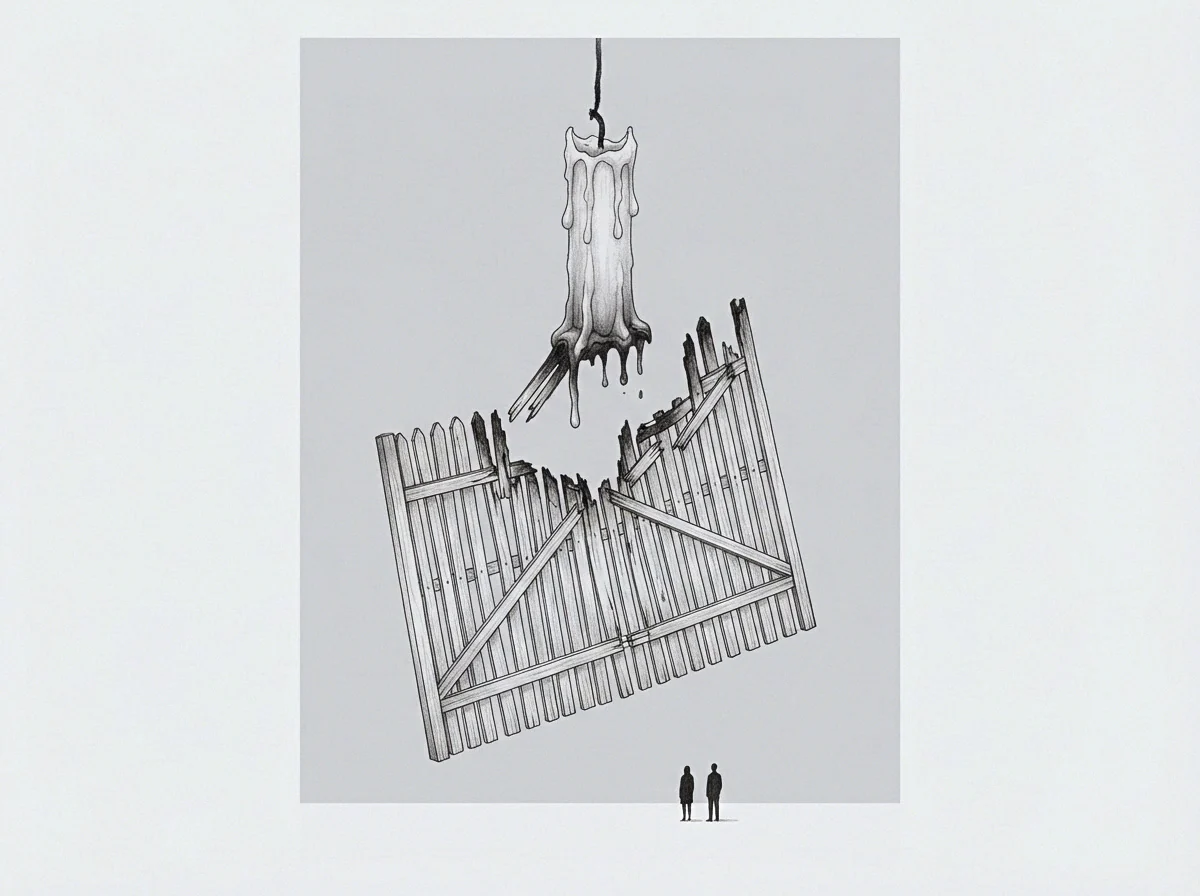
Delay metrics across process stage gates measure structural avoidance and quantify the unspent work volume held above baseline governance friction.

Operational friction baselines emerge by calculating the energetic distance between documented clearance paths and the undocumented workarounds teams deploy.
The terms are written where they belong. Each field holds three desks, and every entry a desk writes raises the terms it uses, each term given a meaning, a mechanism and the places it appears. The record on these pages stays first person and hand made; the fields grow the nomenclature.