

Computing Directional Divergence Metrics Across Autonomous Business Unit Vectors
Computing directional divergence metrics across autonomous units projects division outputs against baseline vectors to measure operational separation in degrees.
Computing directional divergence metrics across autonomous units projects division outputs against baseline vectors to measure operational separation in degrees.
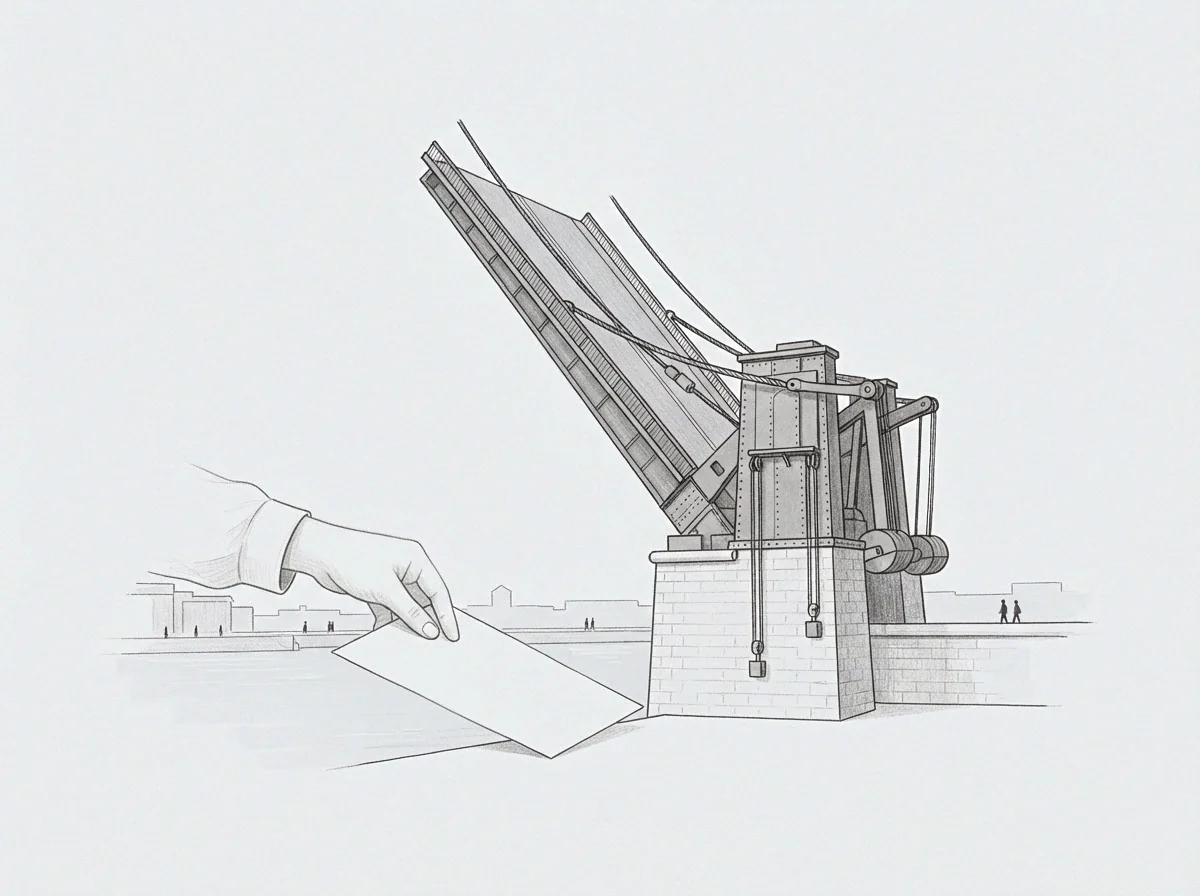
Operational variance measures the vector difference between central planned doctrine and distributed field execution through primary physical activity telemetry.

Cross tier vector alignment measures directional agreement across operational layers to prevent local optimization from degrading enterprise displacement.
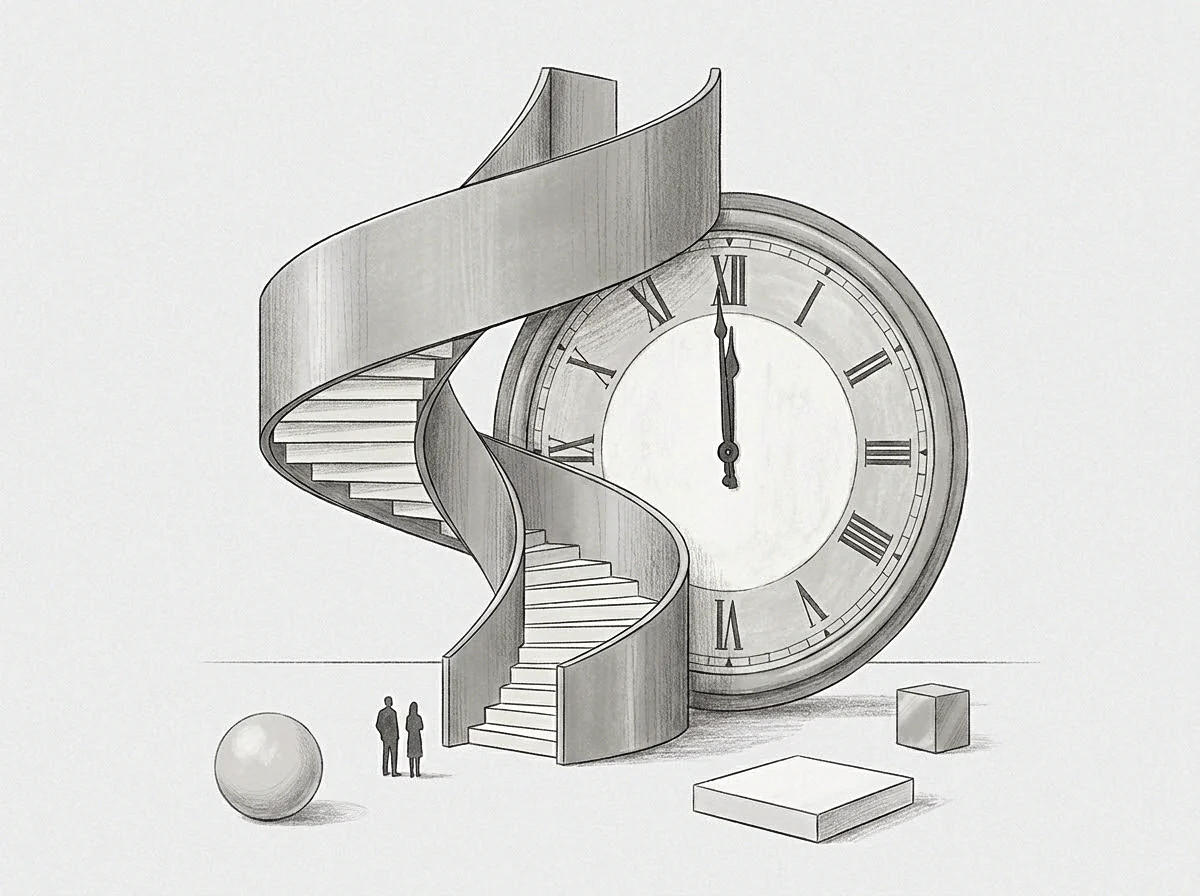
Systemic drag increases when strategic turn rate outpaces operational retooling, turning directional change into structural heat rather than forward movement.

Continuous stress locks latent manifold boundaries, converting operational inputs into non-linear trajectory decay through accumulated internal friction.
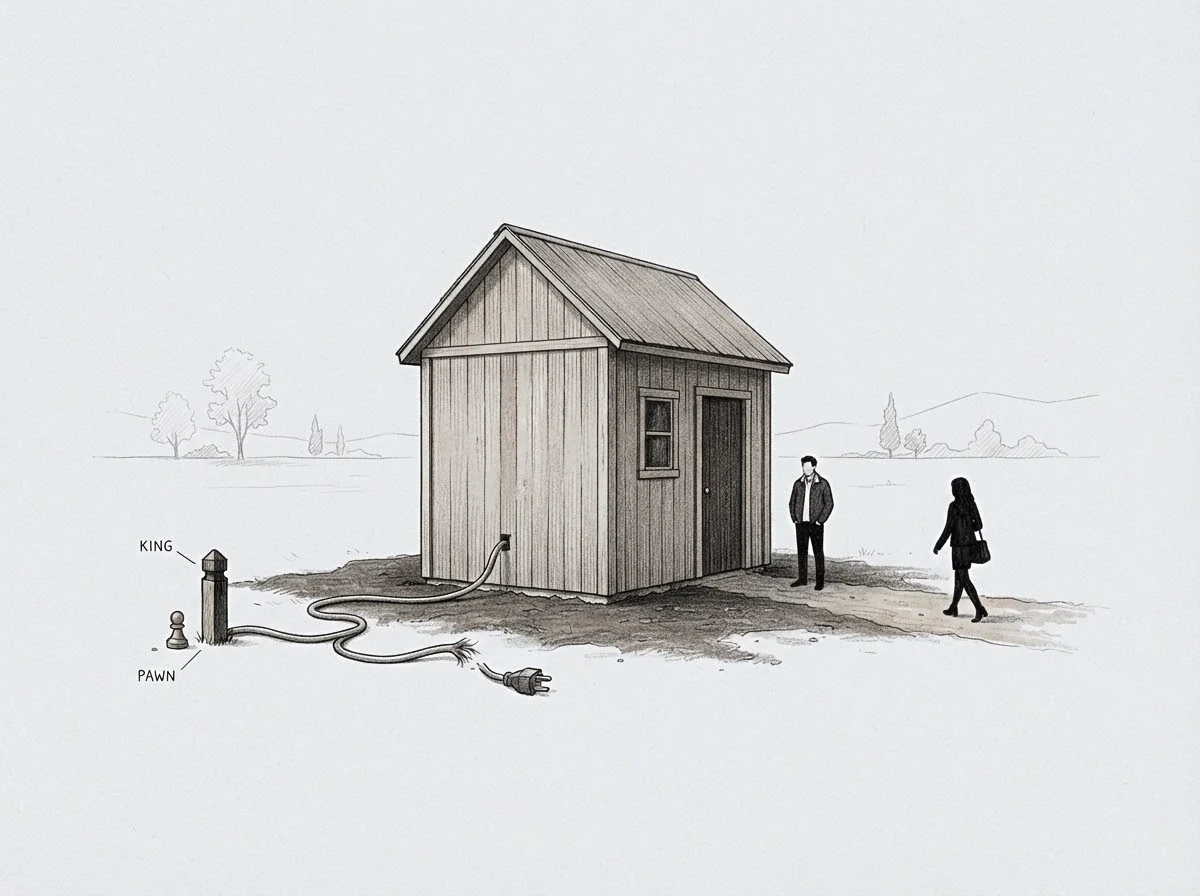
Vector divergence measures the angular offset between executive strategic trajectories and peripheral resource allocation along a derived value axis.
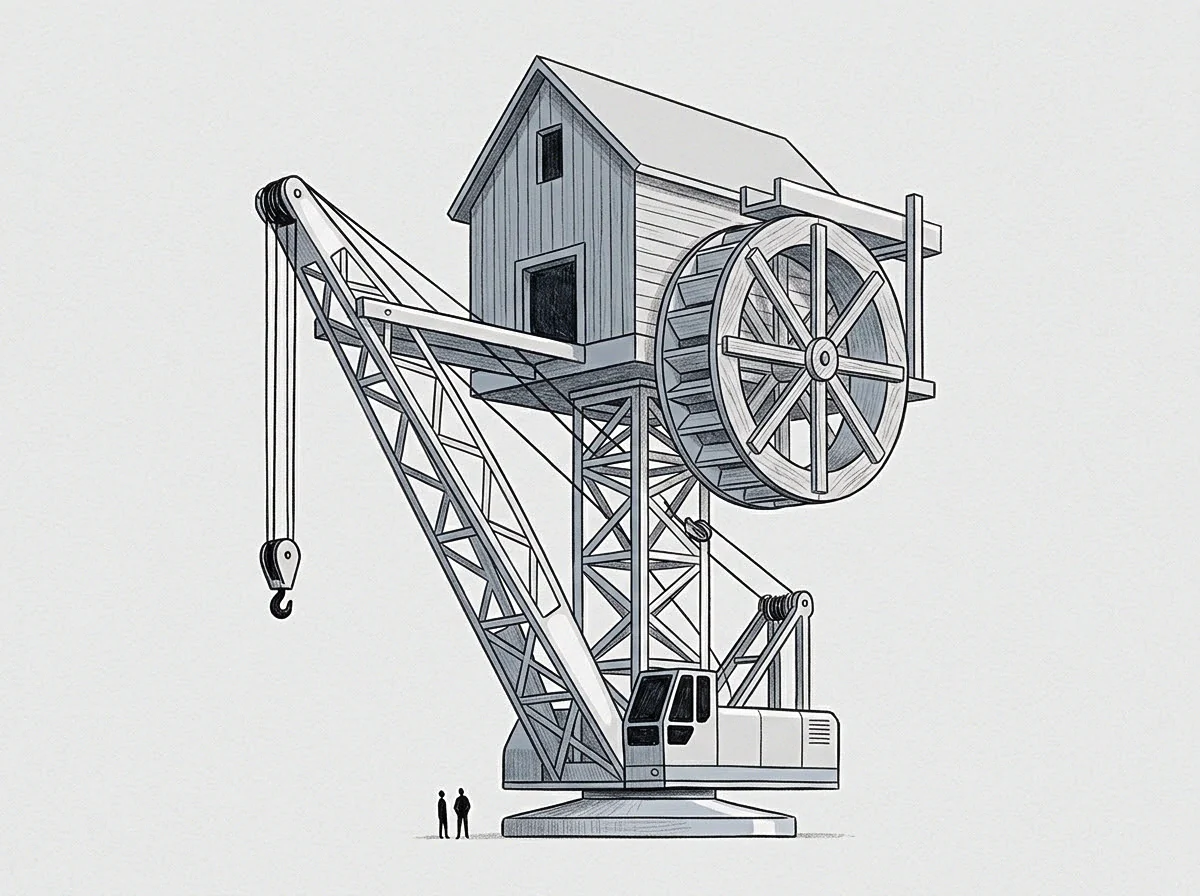
Capital deployment trajectory optimization uses cardinal value function gradients to direct resources along vectors of maximum real operational value gain.
The terms are written where they belong. Each field holds three desks, and every entry a desk writes raises the terms it uses, each term given a meaning, a mechanism and the places it appears. The record on these pages stays first person and hand made; the fields grow the nomenclature.