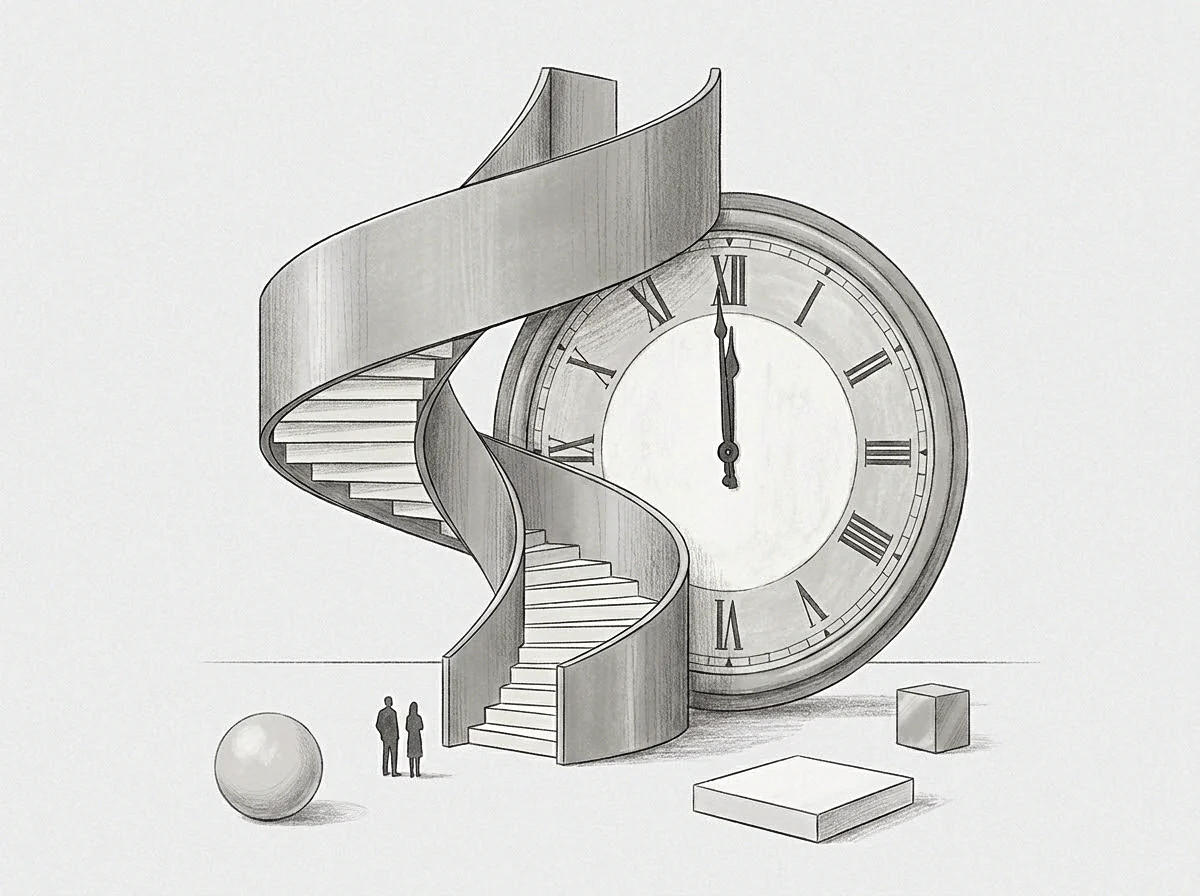
Meaning
Systematic reduction in the frequency of operational reviews prevents decision fatigue by lengthening the interval between strategic pivots. Implementing a dampening cadence allows teams to gather statistically significant feedback before adjusting their course. This practice guards against the tendency of post-founding organizations to overreact to short-term market fluctuations.
Cycle Interval
Timeframes for measurement must extend beyond the natural noise of daily operations. A structured dampening cadence operates on a cardinal scale of weeks or months, ensuring that execution cycles are completed before evaluation begins. By extending the period between reviews, organizations allow compounding effects to become visible, making the resulting performance data far more reliable.
This structured delay serves to separate transient fluctuations from persistent trend lines.
Decision Cost
Frequent changes in direction consume significant cognitive capacity and generate hidden operational expenses. When organizations fail to use a dampening cadence, the constant readjustment of priorities forces engineers and designers to scrap partially completed work. The resulting waste shows up as lost product momentum and declining team morale.
Strategic Output
Longer periods of stable execution yield more substantial product developments. With a dampening cadence in place, teams can dedicate uninterrupted blocks of time to complex technical challenges. The business achieves a state of predictable delivery because the baseline for measurement remains stable long enough for execution to finish.