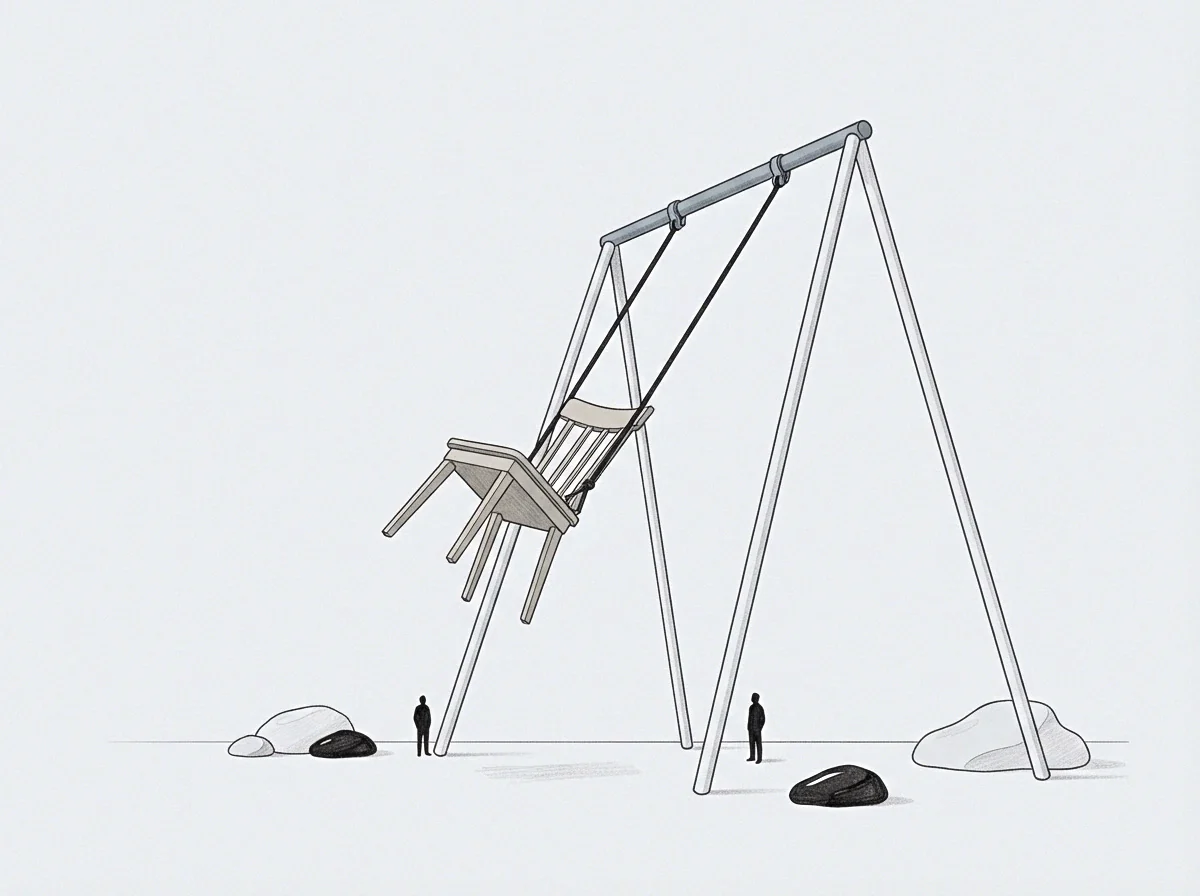
Meaning
Slow reduction of profitability over time occurs because of unmonitored increases in operating expenses or subtle shifts in transaction pricing. This gradual financial erosion is margin drift, which measures the gap between the planned margin and the actual margin realized across transactions. It operates on a cardinal percentage scale, tracking the directional movement of the ratio between net income and gross revenue.
The concept ceases to apply when pricing models are dynamically updated in real time to match raw input fluctuations. Founders watch this metric to understand if growth is accompanied by deteriorating unit economics.
Incremental Cost
Microscopic rises in supply chain fees or shipping costs accumulate to trigger margin drift. While each increase appears minor on its own, their combined effect degrades the profit baseline across high volumes. These costs must be caught before they alter the unit economics of the business.
Erosion Channel
Changes in product mix can also trigger this erosion if cheaper, lower-margin items become more popular. When customer preferences shift toward cheaper goods, total revenue might remain stable while profitability declines. Monitoring this shift allows companies to adjust their marketing focus.
Financial Strategy
Regular auditing of cost structures and automatic adjustments to contract pricing protect the business from decay. This strategy helps stabilize return metrics. It prevents the slow loss of capital that threatens long-term viability.