
Restructuring Account Terms When Internal Resource Saturation Prevents Milestone Fulfillment Without Severe Margin Loss
Resource saturation requires restructuring fixed milestones into modular deliverables or capacity bands, preventing unbudgeted labor from destroying engagement margins.

Margin
A technical services firm takes on fixed-fee contracts across five enterprise accounts, staffing them on the assumption of eighty percent billable utilization. By month four, a platform design flaw doubles the labor needed for each deliverable. Internal resource allocation passes one hundred percent, taking up unplanned senior engineering hours and wiping out project slack.
Meeting the milestone deadline on the main account requires buying three hundred subcontracted developer hours at ninety dollars per hour, turning an expected forty percent operating margin into a net cash loss.
Delivering the milestone under the original terms guarantees a direct financial loss, while stopping work triggers contract penalties, client fallout, and damage to the firm’s reputation. This leaves internal capacity saturated, where fulfilling scheduled obligations means draining capital reserves or hurting other accounts. Staying solvent requires changing the contract framework instead of absorbing endless labor costs.
A milestone delivery executed through unbudgeted external contractors transfers operating margin directly to third-party labor vendors.
Capacity limits change how a firm manages its accounts. Normal planning assumes workload can flex during peak periods, but once total internal hours hit a hard ceiling, pulling extra effort into one account drains capacity from others. This trade-off hits financial margins, team retention, work quality, and strategic bandwidth all at once.
Protecting the margin means restructuring the contract before a default happens. The account manager opens talks to adjust delivery speed or trim secondary features, protecting cash margins while keeping the client relationship intact.

Hours

Measurement of Capacity Overrun
Capacity overruns usually build up from small planning mistakes long before they show up on monthly financial reports. Internal teams prioritize work relative to competing demands, but client contracts call for specific hours delivered on set dates. When unexpected technical issues pop up, internal hours escalate quickly as the firm tries to hold the schedule without raising prices.
The financial loss comes from the gap between budgeted scope and actual work required. Take a baseline setup where five senior systems engineers split sixty weekly account hours across three accounts. If a sudden integration bug demands twenty-five extra hours a week on one account, the workload immediately exceeds what the team can handle.
| Staffing Tier | Planned Weekly Hours | Saturated Weekly Hours | Realized Capacity Deficit | Direct Hourly Labor Cost |
|---|---|---|---|---|
| Principal Architect | 15 | 38 | 23 | $145 |
| Senior Platform Engineer | 40 | 62 | 22 | $95 |
| Integration Specialist | 35 | 50 | 15 | $70 |
| Delivery Lead | 20 | 28 | 8 | $60 |
The project lead is left to either stretch internal staff or bring in contractors. Overworking the internal team leads to burnout, more software bugs, and developer turnover. Bringing in outside contractors swaps fixed salary costs for direct cash outlays, wiping out the margin on that milestone.
Senior engineers carry most of this weight because complex problem-solving cannot simply be reassigned to junior staff. In distributed software engineering research, Brook’s law demonstrates that adding labor to a late software project accelerates delivery delays due to communication overhead. Trying to fix a capacity shortage by adding external developers increases communication overhead, driving up overall costs while lowering output per hour.

Contractual Rigidity and Fixed Scope Exposure
Fixed-price contracts push financial risk onto the provider. When a client buys fixed deliverables tied to fixed dates, any internal delays or unexpected work come straight out of the provider’s pocket. Most contracts tie invoicing directly to client acceptance, holding up payment until the entire milestone is signed off.
Without scope buffers built into the contract, a firm has to absorb every hour of overrun internally. When unexpected integration problems arise, project managers keep deadlines on track by burning through extra capacity. This starves newer, higher-margin accounts of senior attention and stalls future pipeline growth.
Clients spot the strain when responses slow down and minor requests go unanswered. Documentation quality drops, weekly updates arrive late, and the relationship quietly degrades well before anyone formally brings up contract changes.

Vector

Components of Delivery Cost
Measuring financial risk requires looking at operational cost as a combination of factors rather than a single dollar figure. Standard accounting tracks direct payroll and cash expenses, but a true cost assessment also factors in burned-out team capacity, diverted leadership attention, and lost revenue from turned-away business.
A vendor absorbing uncompensated scope expansions pays for counterparty certainty through the silent liquidation of internal capacity.
The total delivery cost combines four components: direct cash expenses, drained senior engineering capacity, lost executive focus, and missed commercial opportunities. Each of these scales differently under stress. When a major account hits technical roadblocks, leadership attention gets consumed fast, pulling executives into daily firefighting and disrupting normal operations.
Diverting key technical staff creates ripple effects across the business. When a principal systems architect spends thirty hours troubleshooting configuration issues for a single client, core platform work, security oversight, and presales technical calls fall behind. Those diverted hours represent lost revenue on other work, pushing the real cost far beyond the immediate budget variance.

Ordinal Priority Against Cardinal Pricing
Enterprise clients buy deliverables based on fixed metrics: target dates, explicit acceptance criteria, and set invoice amounts. Providers, on the other hand, manage work through relative priorities: ranking tasks by technical dependencies, urgency, and available hands. Friction arises when fixed contract demands hit flexible internal scheduling.
Once capacity is maxed out, strict priority determines what gets done first. The delivery team shifts schedules to address technical dependencies, while the client expects everything in the contract to move forward at once, seeing any delay as a performance failure. Resolving this mismatch means translating internal workload limits into clear commercial options procurement teams can evaluate.
Hiding workload constraints during a project creates compounding problems down the line. Flagging capacity limits early positions schedule adjustments as responsible quality management. Waiting until after deadlines pass makes the same constraints look like poor execution.

Terms
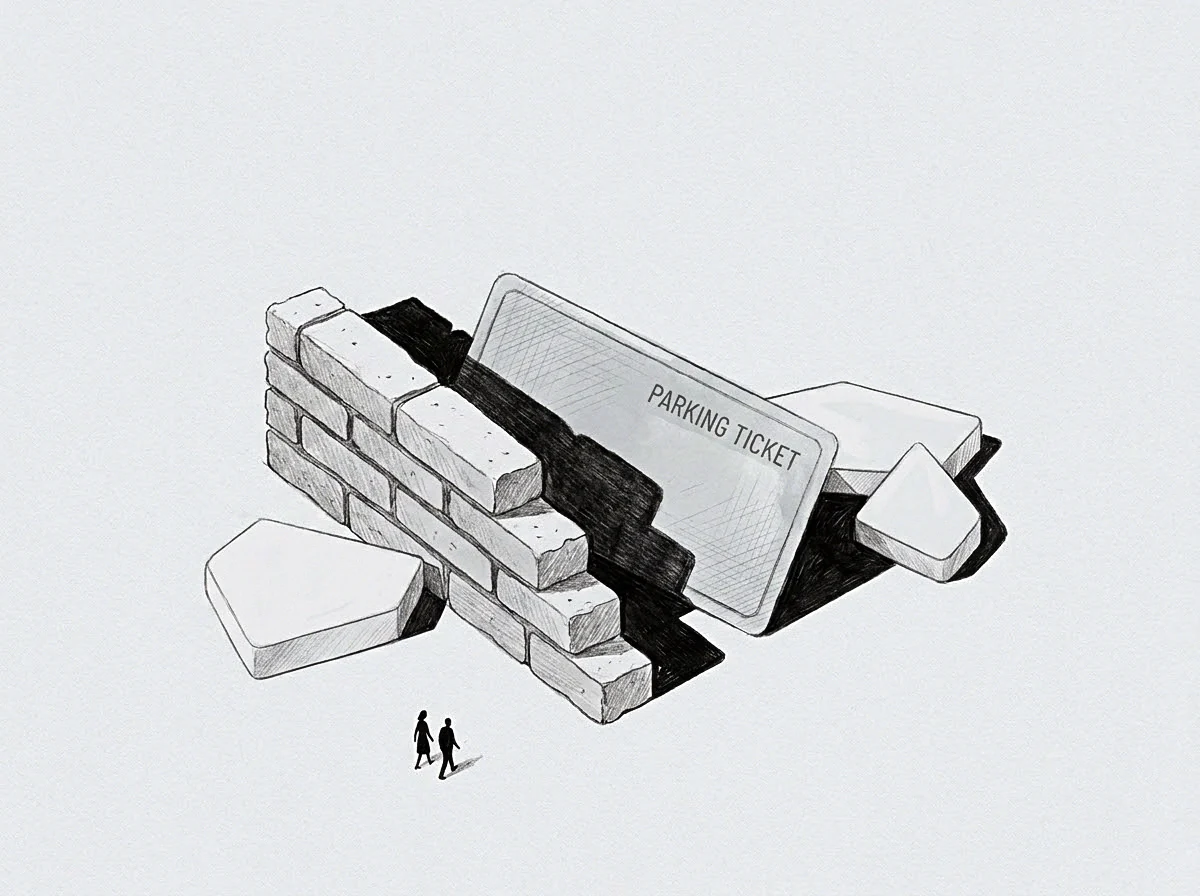
Restructuring Instruments and Scope De-Coupling
Restructuring an account means shifting from rigid fixed-price terms to more flexible, risk-balanced structures. Depending on client flexibility and contract terms, several options exist. A proper restructure matches available team capacity with client priorities, protecting margins without abandoning the core project.
- Modular milestone partitioning splits large deliverables into smaller functional blocks, allowing completed software features to be billed immediately while pushing secondary requirements into later phases without penalty.
- Capacity band agreements replace open-ended scope with dedicated engineering time, shifting scope variation risk to the client while keeping vendor margins stable.
- Velocity-indexed fee structures tie billing to actual output, automatically adjusting budgets or extending target schedules when complex integration environments slow progress.
Breaking milestones into modules requires clear technical boundaries. The delivery lead separates core infrastructure code from secondary user interface features. Once the core data foundation is delivered and accepted, the firm invoices the milestone, while extra features move into a separate, funded scope of work.

Contract Governance Modifications
Long-term stability requires building protective terms directly into master services agreements. These governance mechanisms keep unexpected capacity bottlenecks from destroying project margins by setting clear triggers that adjust project timelines or scope when limits are reached.
Standard protective clauses include strict response windows for client sign-offs, limits on specification revisions, and clear remediation steps when client systems drop. For example, if client integration environments are down for more than five business days, target delivery dates automatically extend by the same amount without financial penalties.
Contract adjustments are easier to negotiate when presented as steps to protect product stability. Framing rushed schedules as a risk to software quality reframes the conversation around product reliability rather than vendor margin relief. Procurement teams are far more willing to adjust scope when keeping original dates risks breaking core systems.

Counterparty

Client Operational Incentives
Restructuring talks often stall because vendors fail to account for client-side incentives. Project sponsors answer to steering committees, finance controllers, and executive leadership. Their success is judged on predictable budgets, reliable timelines, and clear milestone achievements.
A client sponsor usually fears budget surprises and internal political fallout far more than minor scope adjustments. Providing a clear analysis of technical blockers alongside practical delivery options gives the sponsor what they need to brief their steering committee. They can then use that documentation to show proactive oversight rather than project failure.
A corporate client accepts delayed delivery schedules more readily than unpredictable budget expansions that require board-level authorization.
Understanding these internal pressures lets vendors structure proposals that protect their client champion. The account lead prepares variance reports detailing technical obstacles, dependency delays, and concrete trade-off options. This allows the client executive to choose an operational plan that protects their standing while adapting to technical reality.

Negotiation Pathways
When opening renegotiations, the account lead presents clear operational choices rather than simply asking for relief. Offering defined options that balance budget, timeline, and scope leaves decision-making authority with the client sponsor, allowing them to pick the trade-off that best fits their business.
The discussion revolves around three clear options: keep existing delivery dates by reducing feature scope, preserve full scope by extending completion dates, or add client-funded engineering capacity to keep both scope and schedule intact. Presenting these trade-offs directly prevents the client from expecting fixed scope, fixed deadlines, and fixed cost all at once.
If the client rejects all proposed options, the firm reaches a decision point: absorb the loss to protect a strategic relationship, or use contract exit clauses to cap damage. When termination is necessary, it cuts ongoing losses before they drain company reserves on an unprofitable account.
The client lead typically pushes back on cost parity, arguing that internal vendor delivery issues shouldn’t compromise enterprise commitments.

Balance

What Triggers Contract Renegotiation?
Knowing when to reopen contract talks requires continuous capacity tracking. Account leaders often delay tough conversations hoping the team can catch up, but waiting drains operational reserves and weakens negotiating leverage. Opening renegotiations requires clear triggers based on real execution data.
The main trigger occurs when unplanned technical hours exceed twenty-five percent of total allocated project capacity for two consecutive delivery cycles. Beyond this point, catching up through unbilled overtime is virtually impossible. The delivery lead must flag the deviation immediately, pause unapproved change requests, and initiate formal renegotiation.
Resetting terms during severe capacity overruns requires a clear sequence of steps:
- Audit current operational expenditures by compiling time-tracking data, direct contractor costs, and senior engineering hours spent on unresolved technical dependencies.
- Identify non-essential functional deliverables in the statement of work that can be detached from the core milestone without affecting system performance.
- Draft modular commercial amendment options establishing clear trade-offs between scope, schedule, and client funding.
- Present restructured terms to client leadership in a formal commercial review, laying out technical blockers and securing updated milestone sign-offs.
A structured renegotiation protects project margins while preserving the client relationship. Service firms have finite capacity, and absorbing endless scope creep eventually leads to financial loss. Tracking resource usage and updating client agreements keeps portfolio accounts profitable.
The main risk remains whether the client will renew their annual agreement after an in-flight milestone restructuring.