Meaning
A property of a mathematical or physical system that remains constant even when specific transformations or changes are applied to the inputs. Identifying invariance helps a founder recognize the underlying truths of a business that do not shift with market noise. This stability provides a solid foundation for long-term strategy.
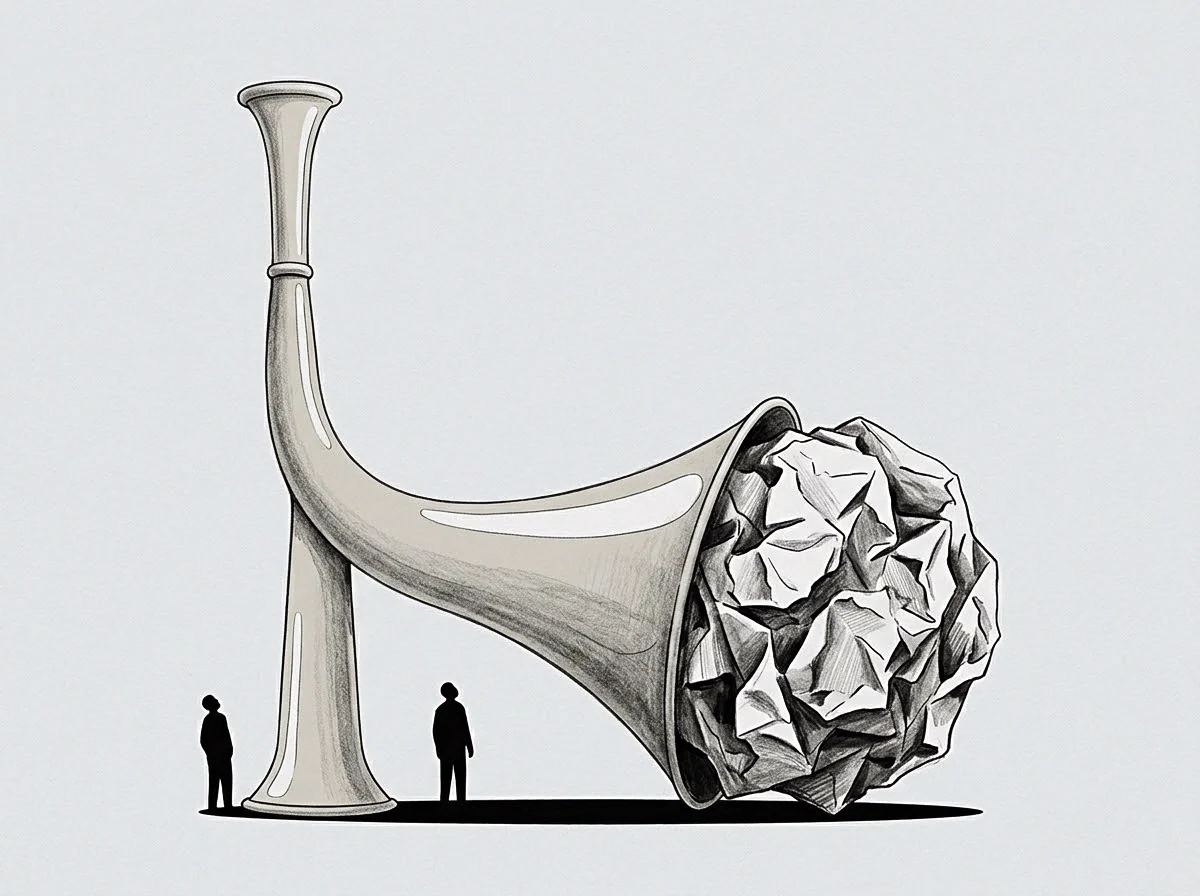
Transformation Stability
Operations can be moved from one environment to another without losing their core logic. If a process shows invariance across different regional markets, it can be scaled without a total redesign. This consistency reduces the cost of expansion.
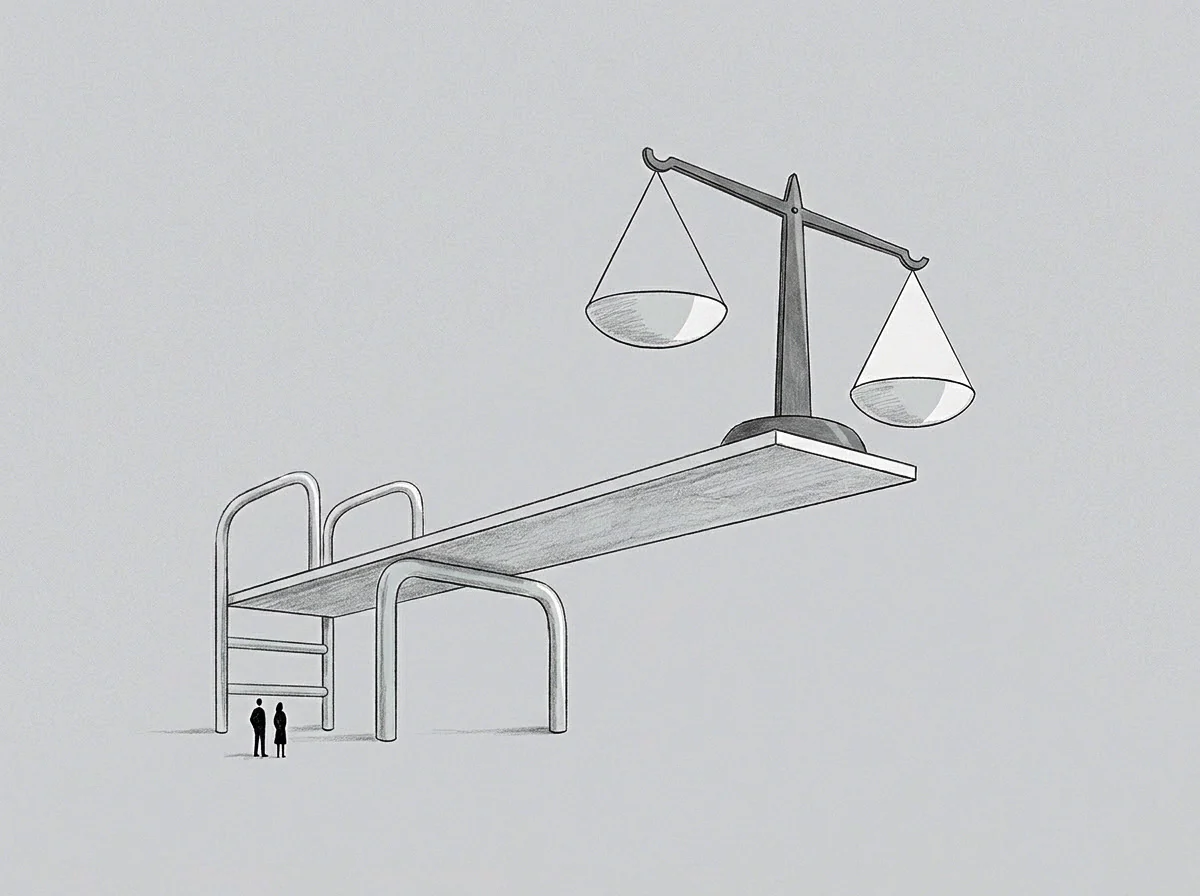
Symmetry Property
Balance in a system is often maintained through unchanging relations between parts. An invariance in the ratio of customer acquisition cost to lifetime value suggests a sustainable growth model. These fixed points act as anchors during times of rapid change.
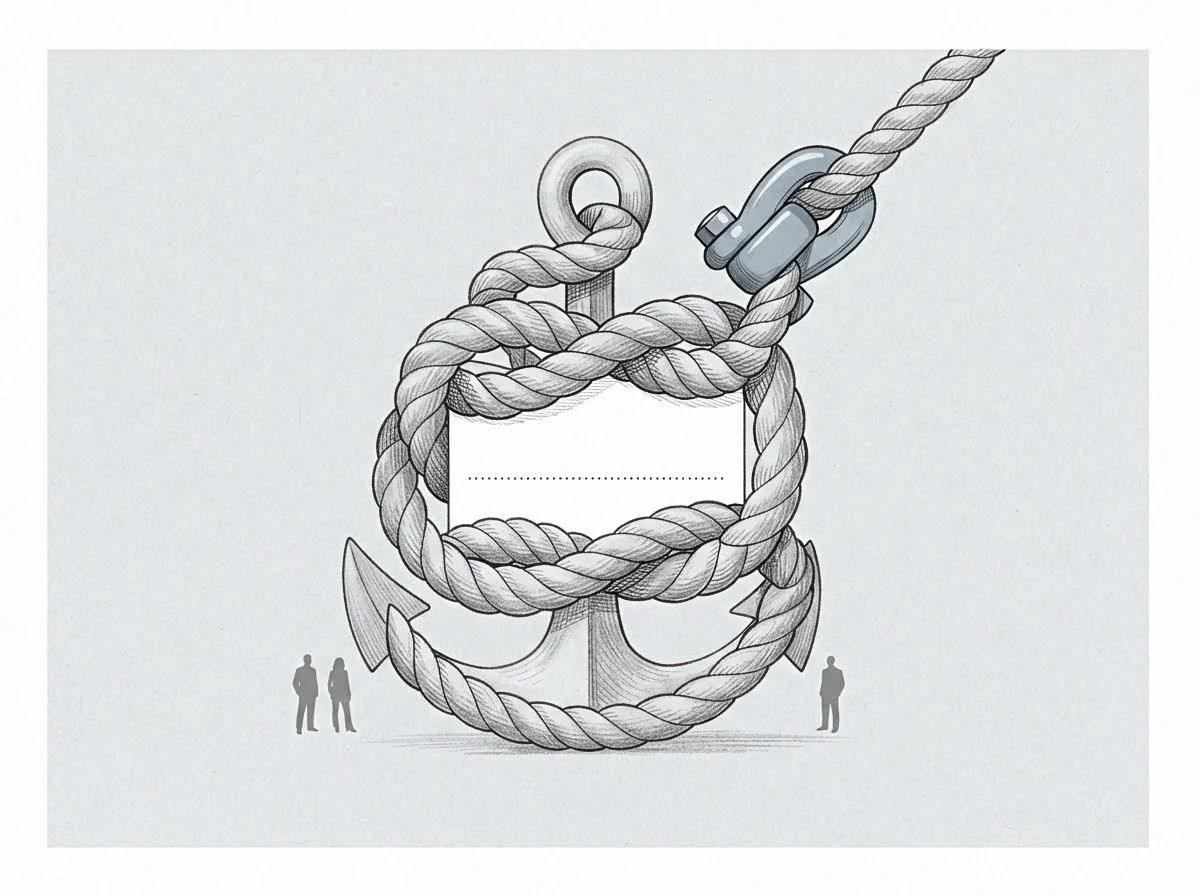
Data Preservation
Information remains valid even when the format of the report changes. Because invariance ensures that the core meaning of a data set is protected, a leader can trust the findings across multiple viewing platforms. This protection is necessary for maintaining a single version of the truth within a growing organization.
Without these constant properties, the data would lose its utility as a basis for long-term decisions. Reliability in the figures comes from the stability of the underlying relations.