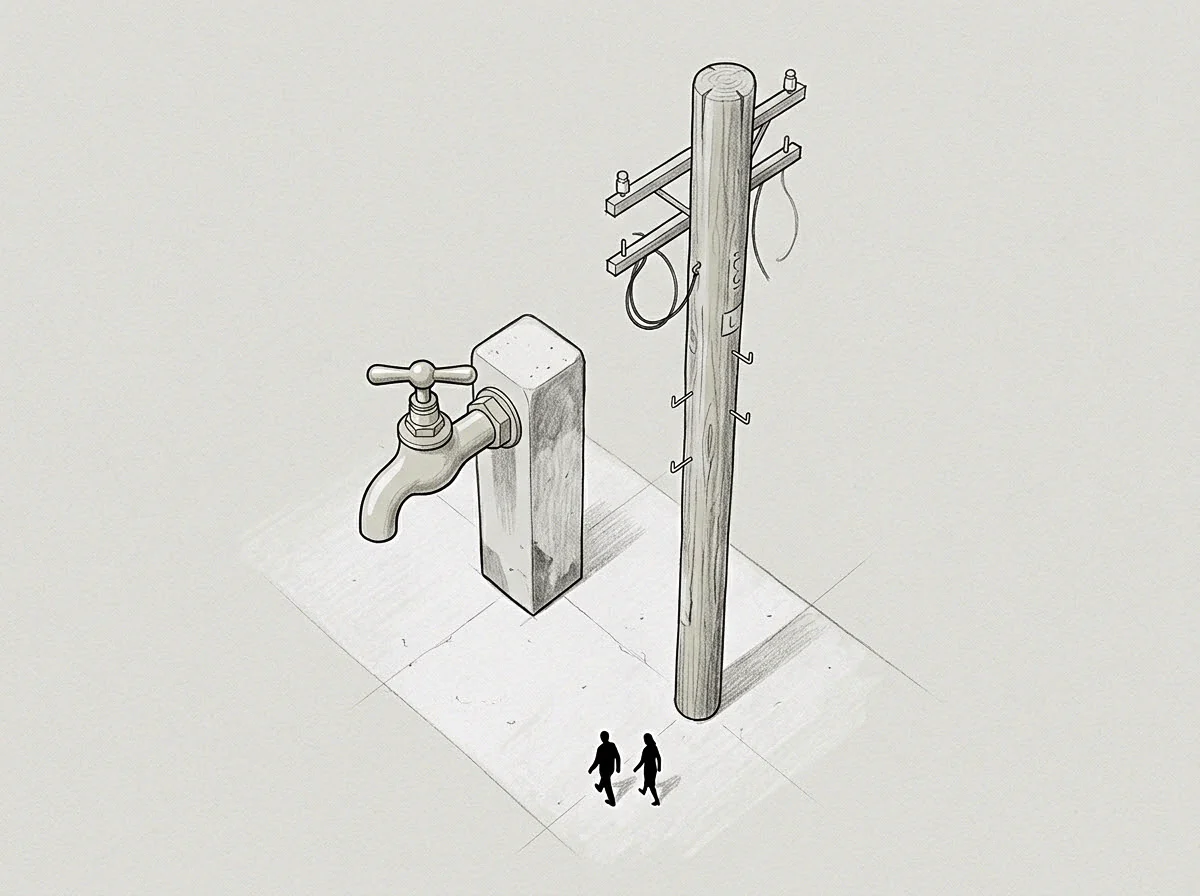
Meaning
Structural vulnerabilities reside in a specific area of a system where all the unresolved problems and temporary fixes are eventually gathered. A technical liability sump acts as a final destination for the risks that are too expensive to fix but too dangerous to ignore. It identifies the most fragile part of the organization where a single failure could trigger a total collapse.
Debris Accumulation
Every shortcut taken during the development process adds another layer of complexity to this central point of failure. The technical liability sump grows over time as the role in charge prioritizes speed over the long term health of the architecture. Because this area is rarely visible during normal operations, the true scale of the problem is often hidden from the stakeholders.
Failure Potential
Energy spent on maintaining the system is increasingly diverted to managing the leaks and faults within this specialized zone. If the technical liability sump overflows, the accumulated debt spills out into the rest of the company, causing widespread disruption. The risk is cardinal, measured by the number of dependent systems that would be taken offline by a breach in this single node.
Cleanup Requirement
Reclamation of the system integrity requires a complete excavation of the damaged area and the replacement of the faulty logic. If the technical liability sump becomes too large, the only remaining option is to abandon the current platform and build a new one from scratch. This boundary is reached when the cost of a single day of maintenance exceeds the daily revenue generated by the service.
It is the final warning that the path of least resistance has finally reached its natural end.