

Quantifying Operational Friction In High Debt Engineering Teams
Operational friction measures technical debt as an ordinal vector of context switching hours, execution delays, and cognitive attention loss.
Operational friction measures technical debt as an ordinal vector of context switching hours, execution delays, and cognitive attention loss.

Dynamic sweat equity conversion models translate non-cash labor and capital inputs into floating shadow units that convert into legal equity upon defined capital triggers.

Escalation clauses mitigate engineering context switching drag by attaching explicit monetary and schedule costs to unscheduled priority interventions.
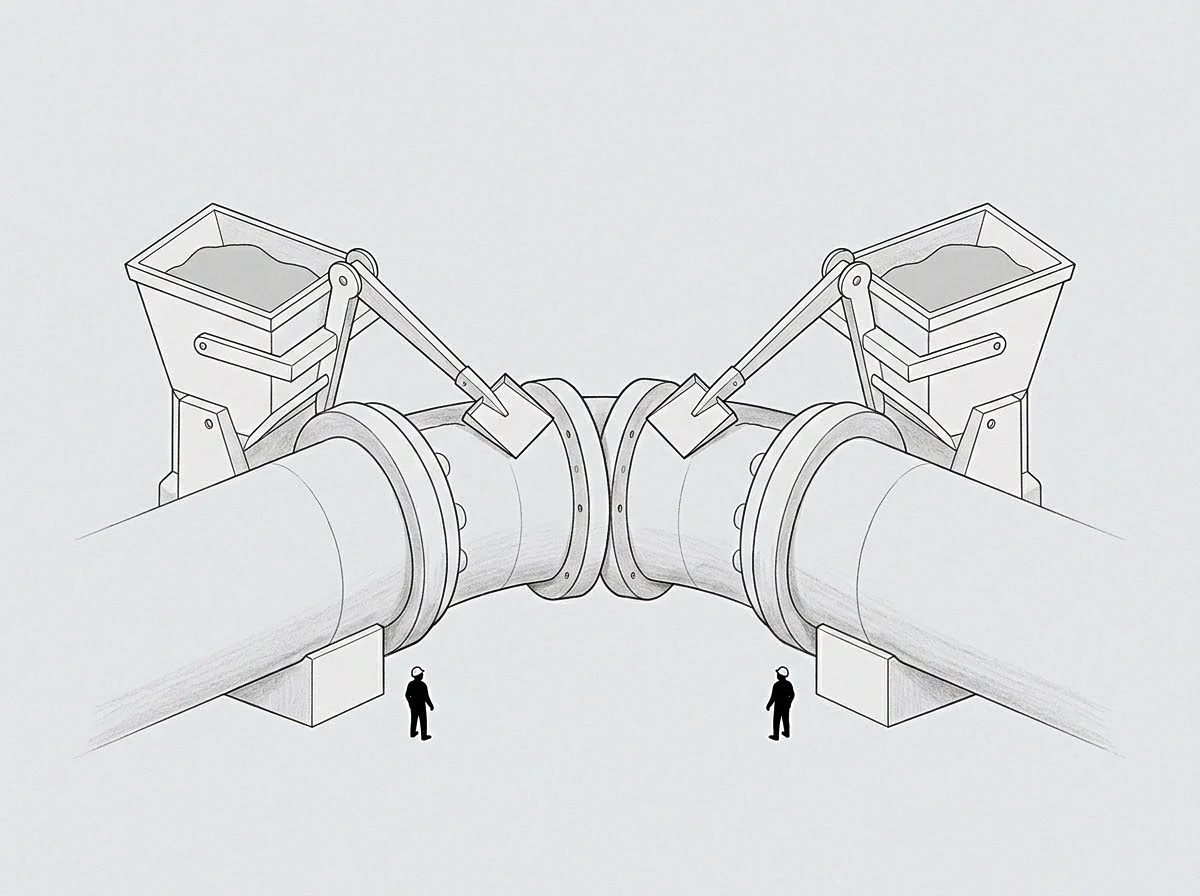
Reserving non-preemptible capacity tiers converts hidden cognitive exhaustion into explicit operational friction before engineering output collapses.

Enterprise service contracts fail when pricing reflects deliverable output volume rather than the biological intake capacity of buyer executives.

Client communication friction converts into cardinal billing metrics by logging channel dispersion and administrative hours against contractual baselines.

Bounding executive access in retainer contracts converts open availability into structured advisory windows, preserving executive capacity and alignment.

Unpriced context switches and governance latency consume delivery capacity by converting high value execution hours into ordinal administrative overhead.

Unmanaged enterprise governance demands force continuous context switches, draining team capacity and eroding true profit margins despite high contract revenues.

Translating internal time entries into client hourly contract terms converts raw ordinal operational logs into enforceable cardinal pricing increments.

Service retainer limits stabilize margins by converting unpriced capacity consumption into explicit ordinal cost vectors and automated cardinal overage fees.

Unstipulated counterparty escalation degrades operational baselines along an ordinal cost vector by consuming engineering attention in unpriced alignment loops over multi year contracts.

Structural bandwidth loss in extended contracts occurs when unpriced governance overhead and review loops consume operator focus faster than fixed fees yield return.

Automating interruption telemetry across asynchronous channels requires measuring ordinal context loss vectors without converting raw event pings into invalid cardinal prices.

Escalating tariff schedules convert short-notice engineering interruptions into rising cardinal surcharges that deter un-scoped demand and protect planned capacity.

Rebaseline ratchet clauses automatically adjust contract rates upward when service account utilization breaks past baseline operating thresholds.

Contractual retainer escalation clauses convert unbatched communication and approval delays into cardinal fees, protecting operational capacity from unpriced drag.

Enterprise retainer capacity collapse occurs when unpriced operational drag consumes baseline hours before dedicated project milestones receive execution resources.

Decaying retainer structures convert client approval latency into expiring capacity units, preserving vendor margin against unpredictable governance delays.

Dedicated capacity retainers convert unpriced enterprise procurement wait times into cardinal availability fees that preserve vendor liquidity and team readiness.
Enterprise retainers for regulated clients decouple readiness fees from functional execution to absorb compliance friction and audit drag without margin loss.
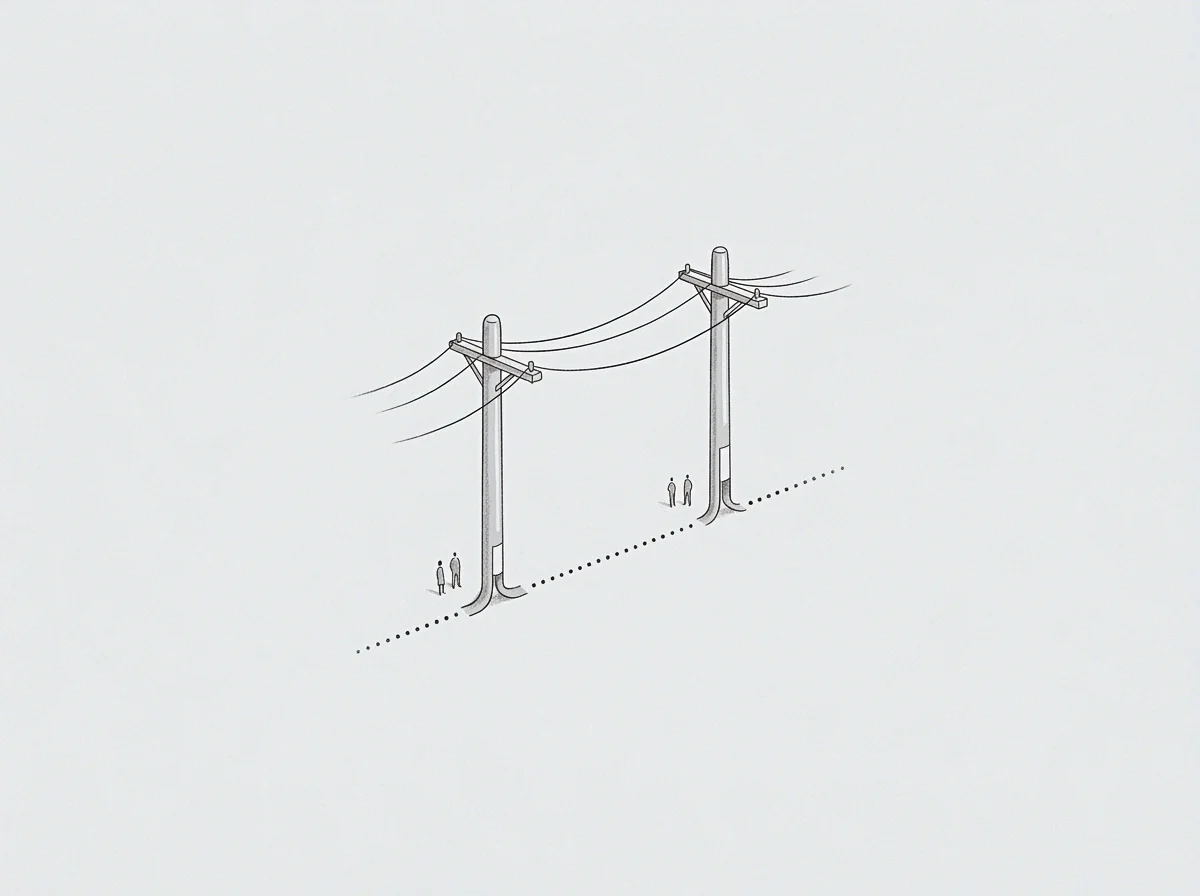
Boundary restructuring converts lost retainer revenue into reclaimed operational capacity vectors that expand net long-term margins when reallocated cleanly.
The terms are written where they belong. Each field holds three desks, and every entry a desk writes raises the terms it uses, each term given a meaning, a mechanism and the places it appears. The record on these pages stays first person and hand made; the fields grow the nomenclature.