
Structural Governance and Attention Switching Drag across Enterprise Clients
Unmanaged enterprise governance demands force continuous context switches, draining team capacity and eroding true profit margins despite high contract revenues.

Desk
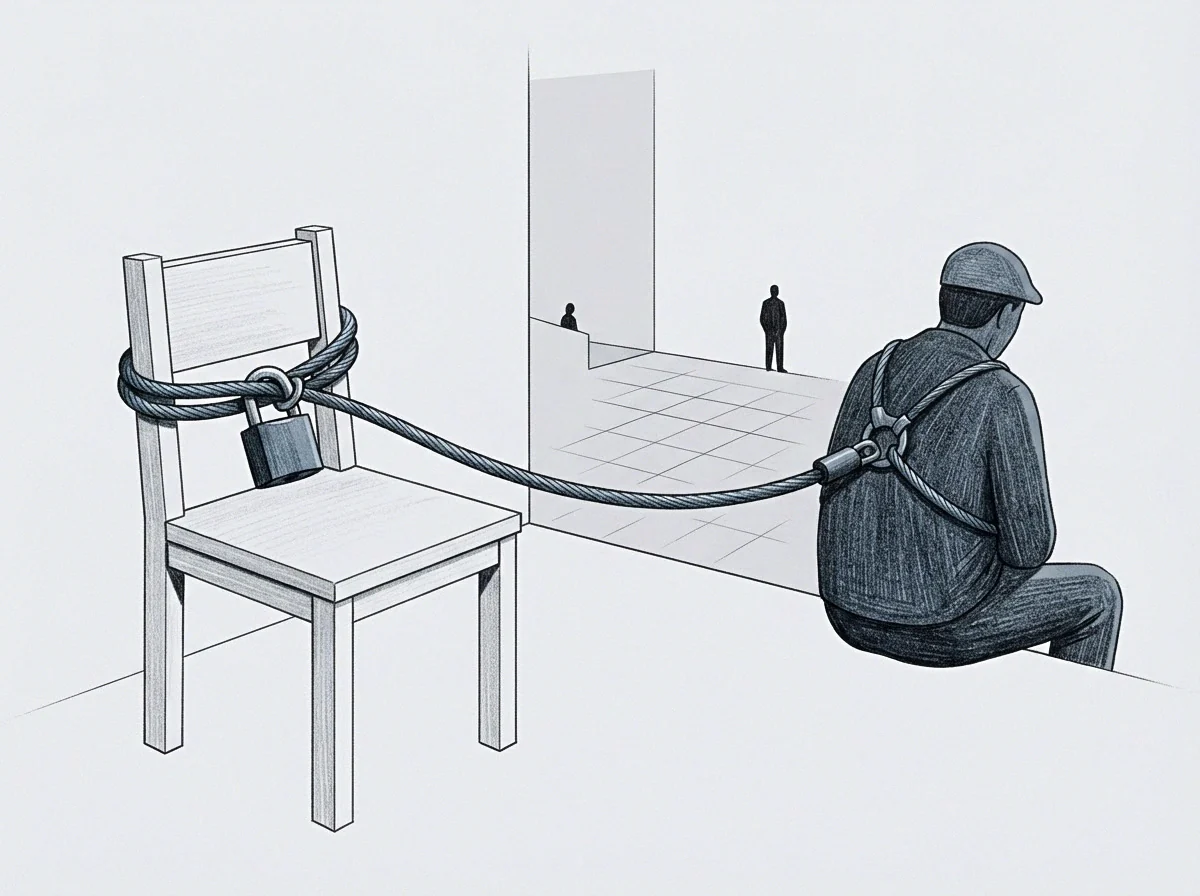
An engineer closes a database schema editor at two in the afternoon to fill out a forty-column vendor security tracking matrix required by an enterprise customer. The prompt arrived via an urgent message three minutes prior, citing an upcoming corporate compliance deadline. Returning to the schema layout ninety minutes later requires re-reading prior notes, tracing database dependencies again, and rebuilding mental context.
Focus vanishes. The work waits. The afternoon schedule breaks entirely.
Context switches compound quickly.
Enterprise accounts introduce heavy governance demands that interrupt execution cycles. Steered by corporate procurement units, audit bodies, and multi-layered steering committees, these clients operate through structured compliance processes. When vendors integrate directly into enterprise client workflows, administrative governance tasks fall upon technical and product leads.
The resulting drag spreads across internal teams, converting productive focus into administrative latency.
Interruption of focused technical execution by administrative compliance routines forces cognitive context rebuilds that double the total hours spent on primary deliverables.
The cost of this drag rarely appears on client invoices. Standard billing models capture explicit labor hours assigned to visible deliverables, yet completely omit the invisible re-indexing time required after every compliance disruption. Operating across multiple enterprise accounts simultaneously splits attention into small, fragmented blocks, leaving zero continuous hours for complex technical work.
The monthly status meeting requires complete attendance across all senior delivery leads to ensure executive alignment across both organizations.
Switch

Cognitive Recovery Latency in Enterprise Account Work
Interruption forces an operator to clear active working memory, store current state parameters, and load the operational context of a governance request. Experimental research in human factors confirms that recovering focus following an administrative distraction takes substantial time. Attention residue lingers long after.
Efficiency drops.
When an enterprise account demands custom compliance updates, weekly status decks, or security audits, team members spend significant energy toggling between execution and reporting. The attention switching drag acts as an invisible tax on productive output. An engineer who experiences four governance interruptions in a single workday retains almost no continuous focus time, reducing output quality and extending delivery timelines.
- Cognitive State Fragmentation occurs when multiple enterprise governance artifacts demand simultaneous monitoring, preventing deep focus cycles entirely.
- Attention Residue Accumulation happens as thoughts from unresolved compliance inquiries impair technical execution speed on subsequent core tasks.
- Schedule Disruption Cascade emerges when single steering committee preparation requirements delay linked downstream engineering milestones across unrelated accounts.
Managing this drag requires tracking the frequency and trigger points of client-induced disruptions. Enterprise accounts often view vendor access as an on-demand resource, issuing ad-hoc compliance demands without recognizing internal switching penalties. Without explicit structural boundaries, attention drag degrades internal team capacity, inflating operational stress and degrading service quality over time.
Splitting single operators across enterprise governance routines and core platform development guarantees delayed delivery on both fronts.
Weight

Governance Artifacts and Administrative Overhead Profiles
Enterprise clients operate under formal compliance regimes that generate heavy documentation requirements at predictable intervals. These governance structures include architecture review boards, third-party risk evaluations, SOC2 vendor updates, and executive status cadences. The administrative weight varies drastically across client operational tiers.
Lower governance clients rely on standardized release notes and automated reporting dashboards. Enterprise accounts demand custom documentation, tailored presentation decks, and direct attendance at lengthy committee sessions. The table below illustrates the structural variance between low-friction and heavy-governance enterprise accounts.
| Client Governance Profile | Weekly Administrative Meetings | Context Switching Frequency | Attention Residue Burden | Ordinal Capacity Drain |
|---|---|---|---|---|
| Standard Enterprise | Two hours | Moderate daily shifts | Low residual drain | Primary delivery focus intact |
| Complex Institutional | Eight hours | High fragmented shifts | Severe execution drag | Capacity consumed by reporting |
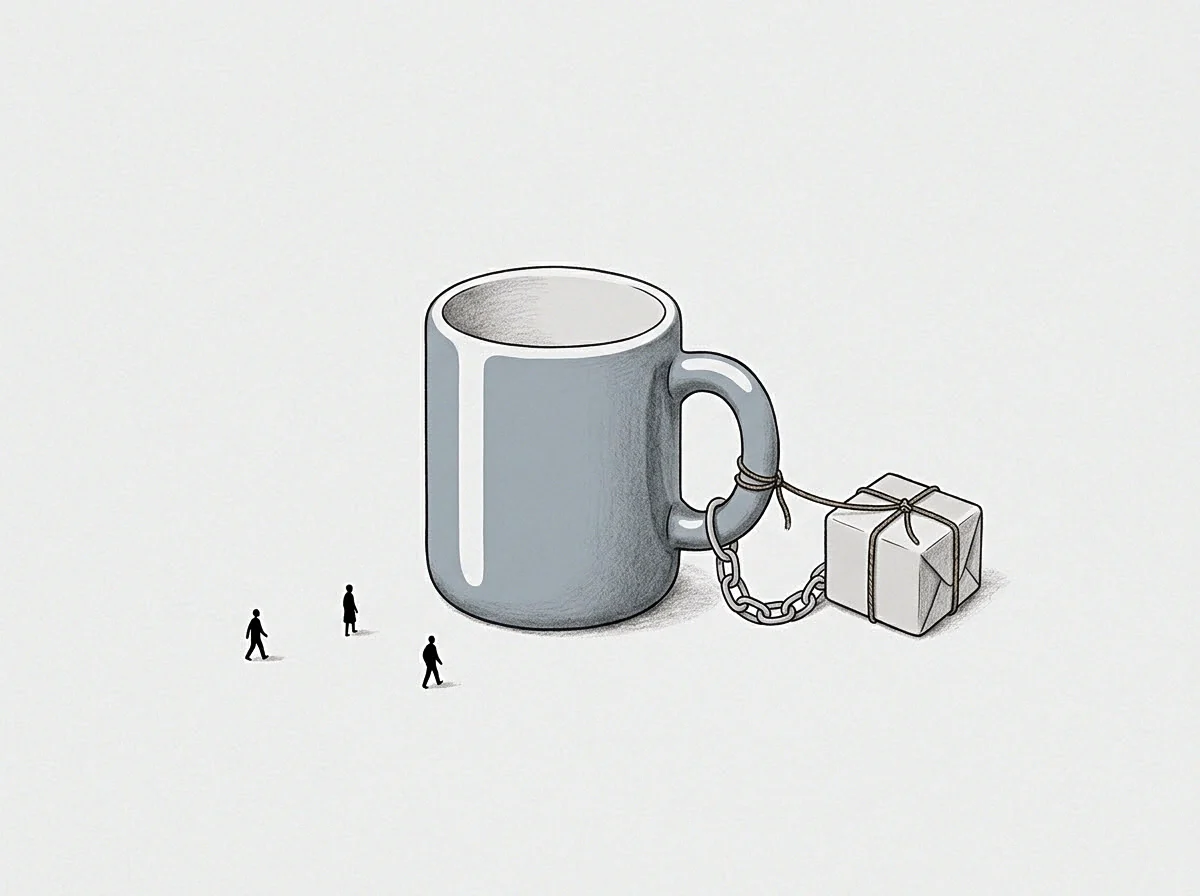
Contract terms that mandate custom status reporting formats without billable hourly allocation guarantee uncompensated capacity drain across senior engineering staff.
The cumulative administrative weight converts engineering hours into compliance management. As governance requests increase, internal capacity shifts permanently away from feature creation toward contract preservation. Organizations that fail to account for this structural drag risk pricing high-maintenance enterprise clients at substantial economic losses.
A mandatory governance cap clause limits non-billable steering committee preparation to four hours per month, beyond which administrative time converts directly to billable engineering rates.

Tier
Does Account Revenue Offset Attention Switching Drag?
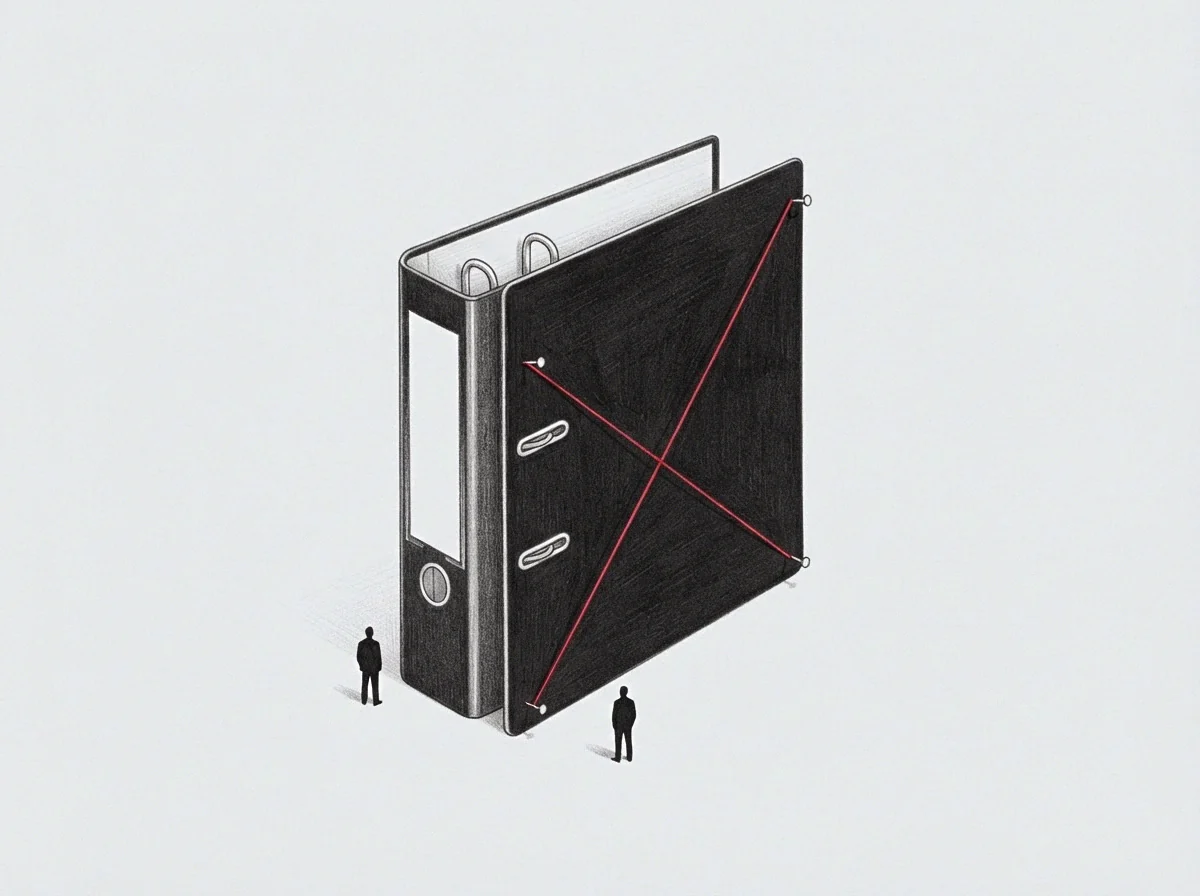
Evaluating enterprise account profitability on gross contract value ignores the ordinal attention cost distributed across internal teams. High nominal contract values frequently mask severe operational margin erosion. Gross revenue hides internal drag.
Margins collapse quietly. Capacity drains away.
An enterprise account producing one hundred thousand dollars in annual contract value while demanding constant status meetings and security audits consumes vast cognitive resources. In contrast, three standard accounts generating equal combined revenue with minimal governance requirements leave technical team attention fully intact. Decomposing account profitability demands evaluating both cardinal financial returns and ordinal attention costs.
- Count the exact number of unscheduled governance requests initiated by the account over a thirty-day window.
- Track total engineer hours consumed by context restoration following each governance interruption.
- Map the resulting delivery delays against internal technical milestones across all parallel client initiatives.
- Compare total internal capacity consumed against actual net cardinal revenue collected from the client contract.
High annual contract revenue rarely compensates for unmanaged cognitive fragmentation across core technical teams.
Account segmentation schemes that categorize clients purely by financial ARR miss the structural burden imposed on delivery units. Ranking enterprise accounts by attention switching drag reveals true delivery margins, exposing accounts that generate negative net capacity returns despite large contract figures.
Failing to account for governance switching drag when pricing enterprise contracts results in systemic margin collapse and senior staff burnout.
Bound
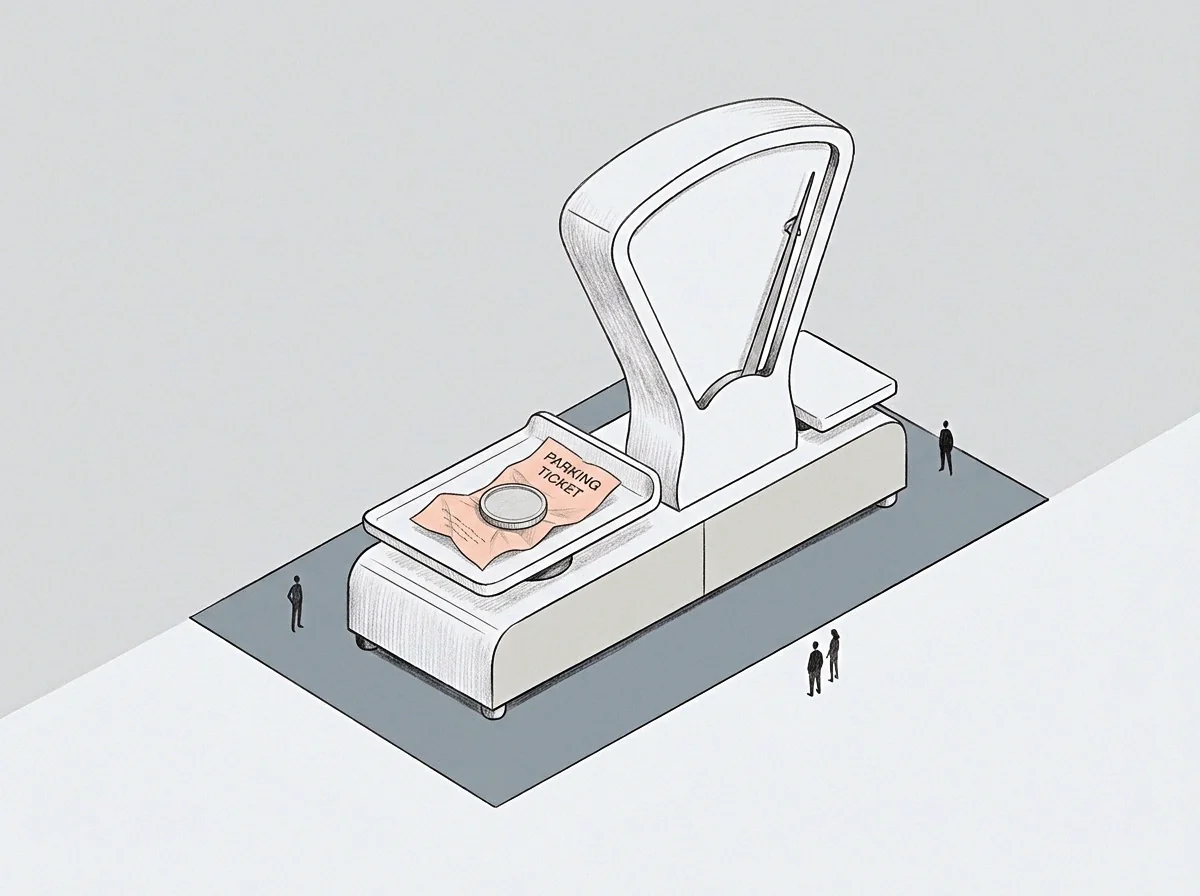
Structural Isolation and Governance Firewalls
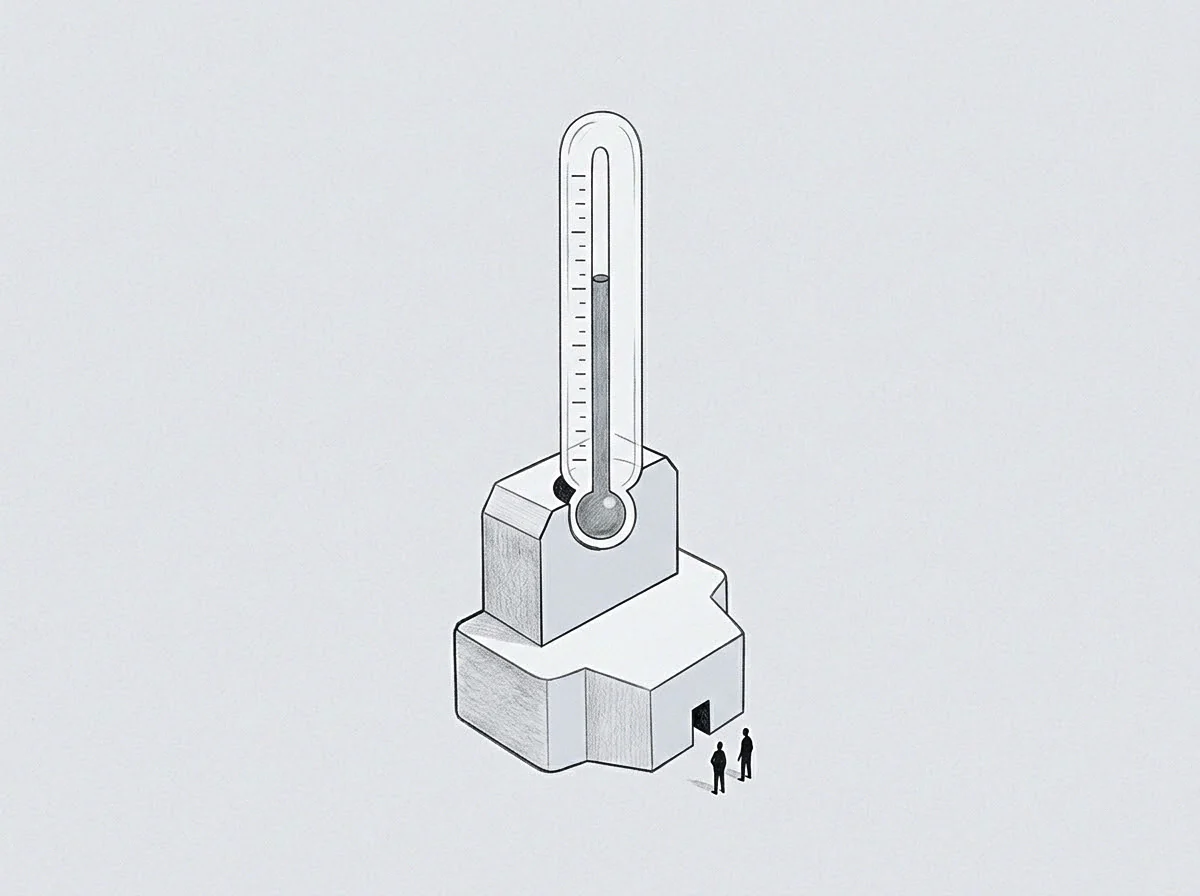
Protecting core delivery execution requires establishing strict structural barriers between client governance cadences and technical build teams. Structural governance drag thrives when enterprise client representatives maintain direct, unmediated communication channels to senior engineers. Direct access invites endless ad-hoc compliance requests.
Isolation shields execution. Focus remains stable. The calendar stays clean.
Constructing a governance buffer involves assigning dedicated account delivery leads to act as administrative firewalls. These leads absorb steering committee updates, security questionnaire processing, and status reporting, allowing engineering teams to work inside uninterrupted focus blocks. Technical leads join client governance channels only during pre-scheduled, billable review sessions.
Dedicated governance isolation layers maintain core engineering velocity by concentrating client context shifts within single management roles.
Enforcing structural boundaries also involves establishing contractual limits on governance frequency. Contracts should state precise reporting schedules, standard status formats, and hourly caps on administrative involvement. Converting unstructured client governance into explicit, priced commitments aligns enterprise client expectations with vendor operational velocity.
Whether enterprise clients will accept standardized governance buffers without demanding price concessions remains dependent on market leverage and technical uniqueness.