Meaning
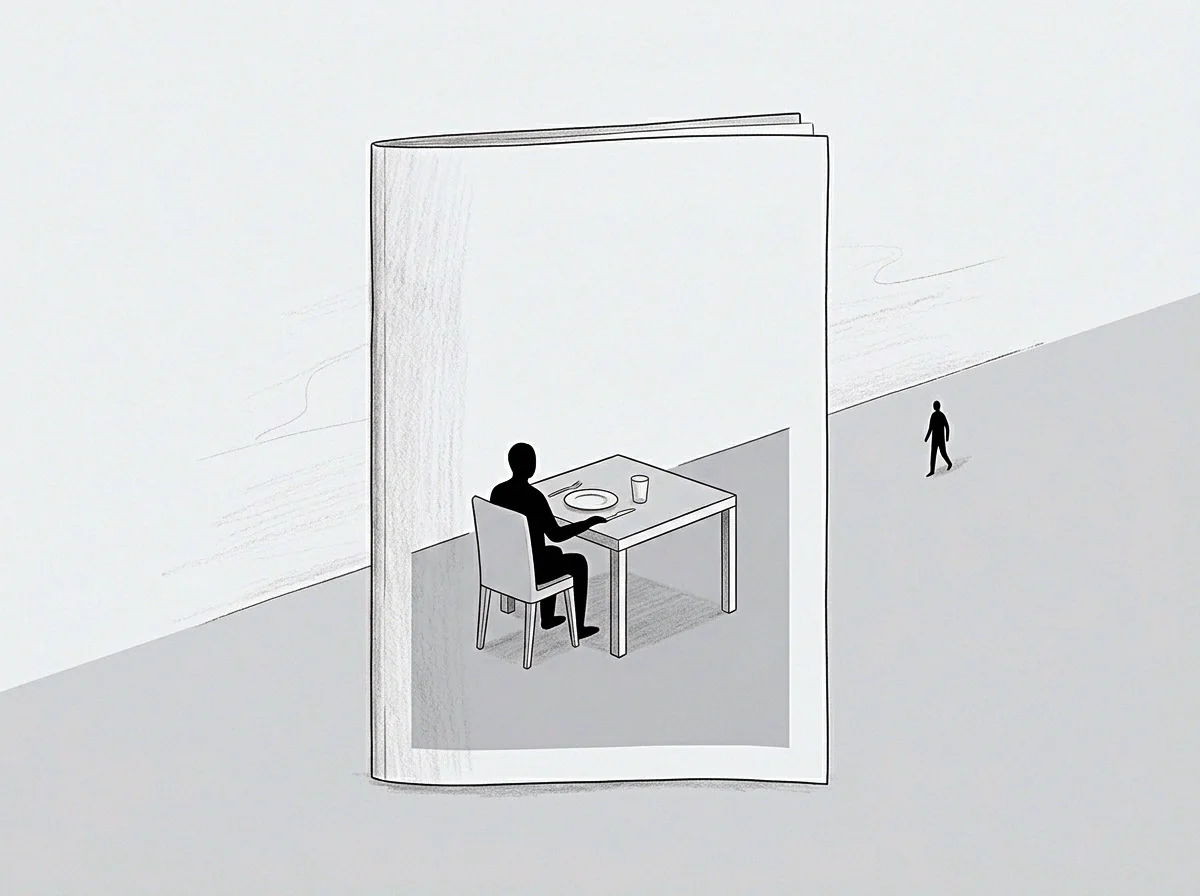
A state of profound cognitive and physical depletion arises from sustained high-stress leadership responsibility. This executive exhaustion appears when the demands of a senior role outstrip the individual’s capacity to recover over an extended period.
Pathological Phase
Initial symptoms of this depletion are often subtle, starting with sleep disruption and a decline in attentional focus. As executive exhaustion deepens, the individual experiences chronic fatigue and a growing sense of detachment from their responsibilities. This phase is characterized by a reliance on reactive, short-term decision-making because the cognitive energy required for long-term planning is unavailable.
Over time, the executive becomes unable to process complex information efficiently, leading to administrative bottlenecks.
Systemic Failure
The consequences of this condition extend far beyond the individual leader to affect the entire corporate structure. When executive exhaustion impairs a founder, strategic pivots are delayed and team morale declines. Decisions are either avoided entirely or made with inadequate analysis, increasing the risk of costly operational errors.
In some cases, the visible distress of the leader can cause investors and clients to lose confidence in the stability of the enterprise.
Organizational Remedy
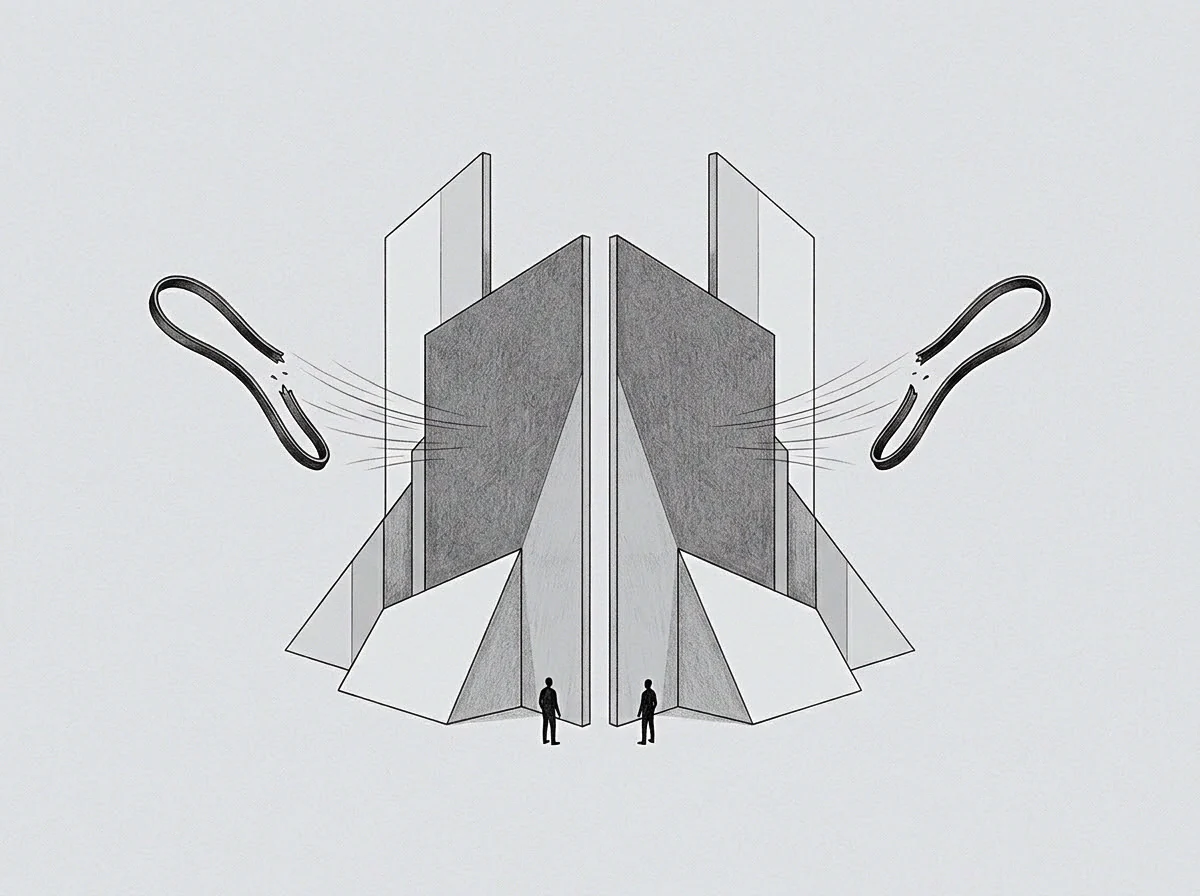
Preventing this systemic collapse requires structured intervention and the redistribution of operational duties. Addressing executive exhaustion involves delegating strategic decisions to a trusted management team and establishing clear boundaries for rest and recovery. The organization must build institutional resilience so that its continuity does not depend solely on the continuous presence of a single person.
Incorporating regular, scheduled periods of low cognitive load ensures that leadership capacity is preserved for critical challenges.