Meaning
Angular variance between an intended strategic vector and the actual path of execution measures the cumulative deviation that systems accumulate across unmonitored operational cycles. In post-founding governance, directional drift defines the ordinal separation between documented corporate milestones and everyday capital deployment. The measurement tracks movement across successive product releases or customer acquisition targets, operating independently of team intent or stated strategy.
Measurement stops applying when an organization undergoes total liquidation or when formal rechartering redefines the baseline orientation to match current operational movement.
Angular Divergence
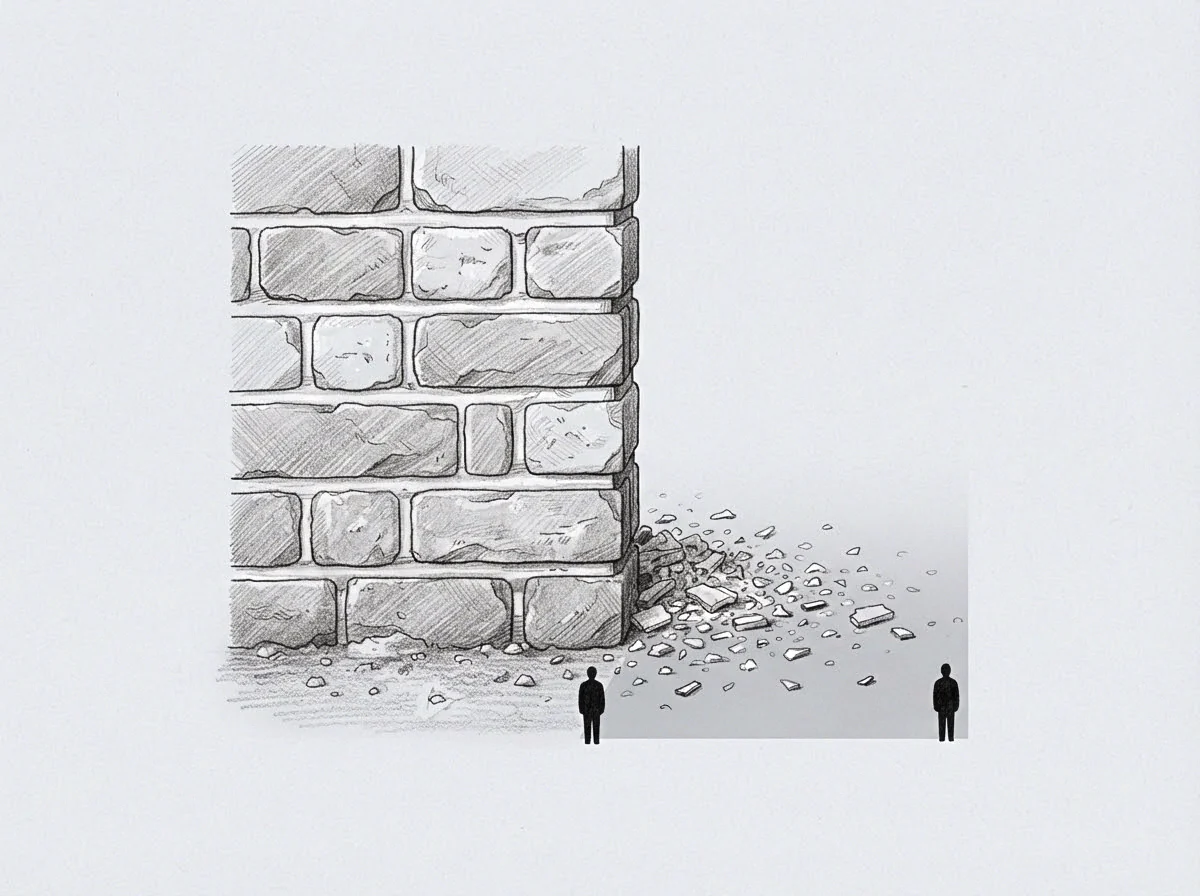
Incremental tactical compromises accumulate into substantial departures from original operating plans over extended horizons. Systematic observation reveals that directional drift accumulates quietly across ordinary operations. Minor deviations occur when product teams alter feature priorities or customer service representatives accept slight client-specific variances outside canonical scopes.
Each individual decision appears negligible in isolation. Over eighteen months of routine micro-adjustments, the aggregate enterprise trajectory shifts onto an entirely disparate market vector without triggering acute executive alarms.
Cost Vector
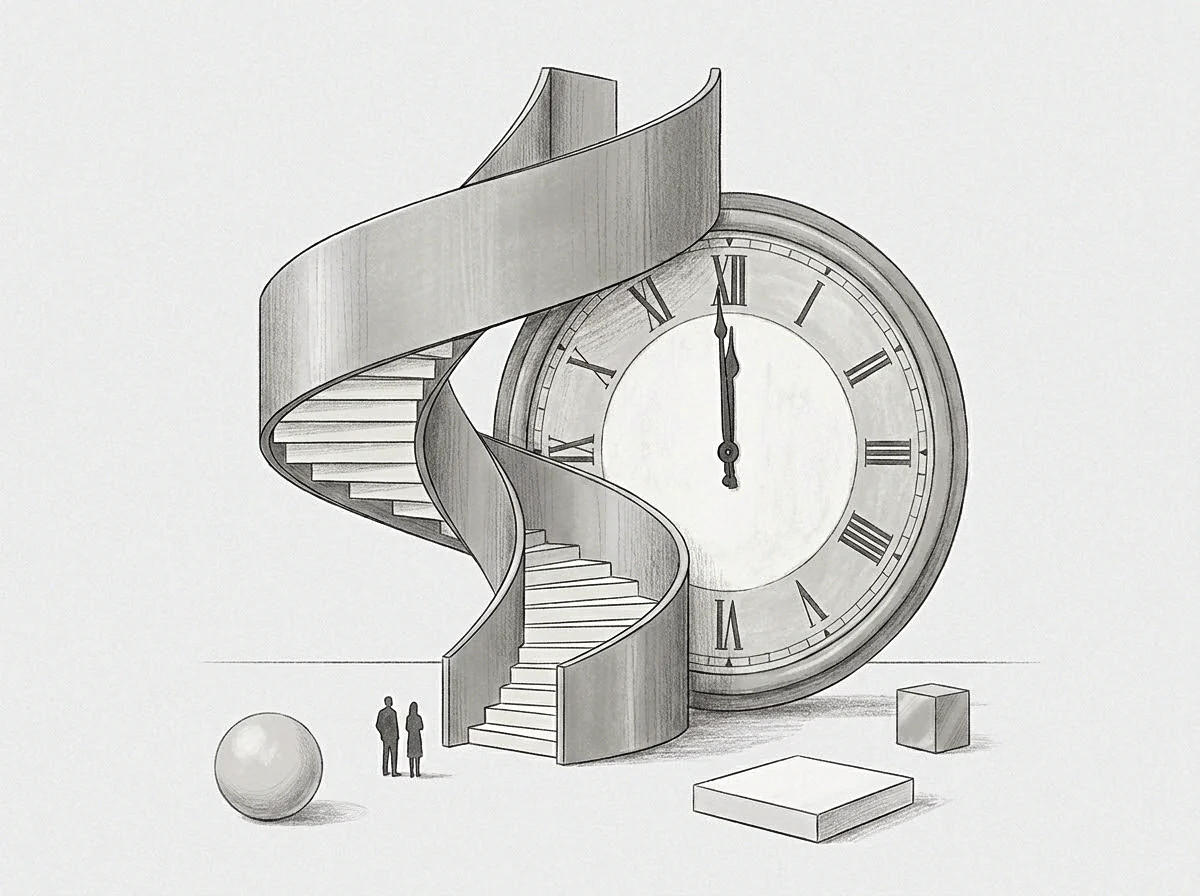
Compounding deviation demands an escalating expenditure of organizational attention capacity and financial reserves to reverse. A firm attempting to realign with its initial destination incurs structural friction that scales with the area between the intended trajectory and the real path. Reversing directional drift requires canceling off-target product commitments and writing down misaligned capital assets.
These remediation actions impose severe transactional overhead on executive teams. If unchecked, the cumulative corrective expense eventually exceeds the original founding budget, forcing leaders to adopt the drifted position as permanent reality.
Correction Limit
Steering mechanisms lose systemic traction when cumulative deviation exceeds the corrective capacity of internal governance controls. Beyond this recovery margin, directional drift transitions into an irreversible evolution that invalidates original founding covenants.