
Dynamic Deadband Threshold Adaptation Under Uncalibrated Multi Vector Feedback Resonance Conditions
Dynamic deadband threshold adaptation expands deadzone boundaries under uncalibrated multi vector feedback resonance, causing control lag and blind drift.

Sensor
Control systems processing concurrent telemetry inputs encounter severe instability when raw feedback streams lack unified baseline scaling. When multiple independent directional signals feed into an active control algorithm, individual vector amplitudes combine to drive state decisions. An uncalibrated sensor channel introduces mismatched gain values, causing minor operational noise in one domain to register as an urgent systemic correction in another.
The feedback loop calculates error metrics against skewed reference values, generating false adjustment directives across the operational infrastructure.
Oscillations emerge when directional signals begin to reinforce each other across parallel channels. A rise in execution latency triggers secondary resource allocations, which in turn elevates throughput demands and amplifies temperature readings. If the control architecture evaluates these telemetry streams independently without cross-vector calibration, the cumulative error value fluctuates rapidly.
The system responds to these composite spikes by continually recalibrating its internal target states, producing an erratic cycle of overcorrection.
Telemetry channels operating without synchronized scaling factors deteriorate signal accuracy over extended operational windows.
| Feedback Regime | Signal Phase Relation | Amplitude Variance | Control Action Impact | Resource Expenditure |
|---|---|---|---|---|
| Calibrated Baseline | Orthogonal | Bounded within 2 percent | Targeted setpoint correction | Optimal nominal draw |
| Uncalibrated Shift | Partial overlap | Spikes to 15 percent | Frequent gain adjustments | Elevated switching wear |
| Resonant Phase Lock | Constructive coupling | Exceeds 45 percent | Continuous threshold hunting | Actuator thermal limit |
| Expanded Deadzone | Out of phase | Attenuated by mask | Delayed systemic response | Accumulated drift debt |
Systemic performance degrades when uncalibrated inputs force the control loop into rapid state toggling. The primary processing module consumes processing bandwidth evaluating transient telemetry artifacts rather than genuine operational shifts. Mechanical and software actuators suffer accelerated wear as control directives flip between opposing extremities.
Left unchecked, the imbalance between real physical state and reported telemetry output grows until primary operational boundaries are breached.
Multi Channel Signal Alignment Failures
Parallel data collection points frequently exhibit distinct latency profiles and sampling frequencies. A high-frequency throughput indicator updates every ten milliseconds, while an inventory balance calculation refreshes on a five-minute cycle. Combining these disparate temporal metrics into a unified feedback vector introduces phase lags into the control loop.
The system attempts to resolve state errors using stale data points from the slower channel alongside live data from the faster channel.
State corrections applied against asynchronous signal vectors produce structural oscillations across secondary operational loops.
When temporal alignment breaks down, control algorithms misattribute the source of operational variance. The algorithm registers a secondary effect as a primary cause, applying corrective force to stable components while leaving the actual point of instability unaddressed. Over a ninety-day monitoring window, uncalibrated multi-vector feedback increases total actuator movements by over three hundred percent compared to calibrated baseline conditions.
The operational infrastructure incurs heavy maintenance overhead while achieving lower overall output stability.
Continued operation under corrupted telemetry inputs eventually exhausts hardware margins and destabilizes core processing routines.
Hysteresis
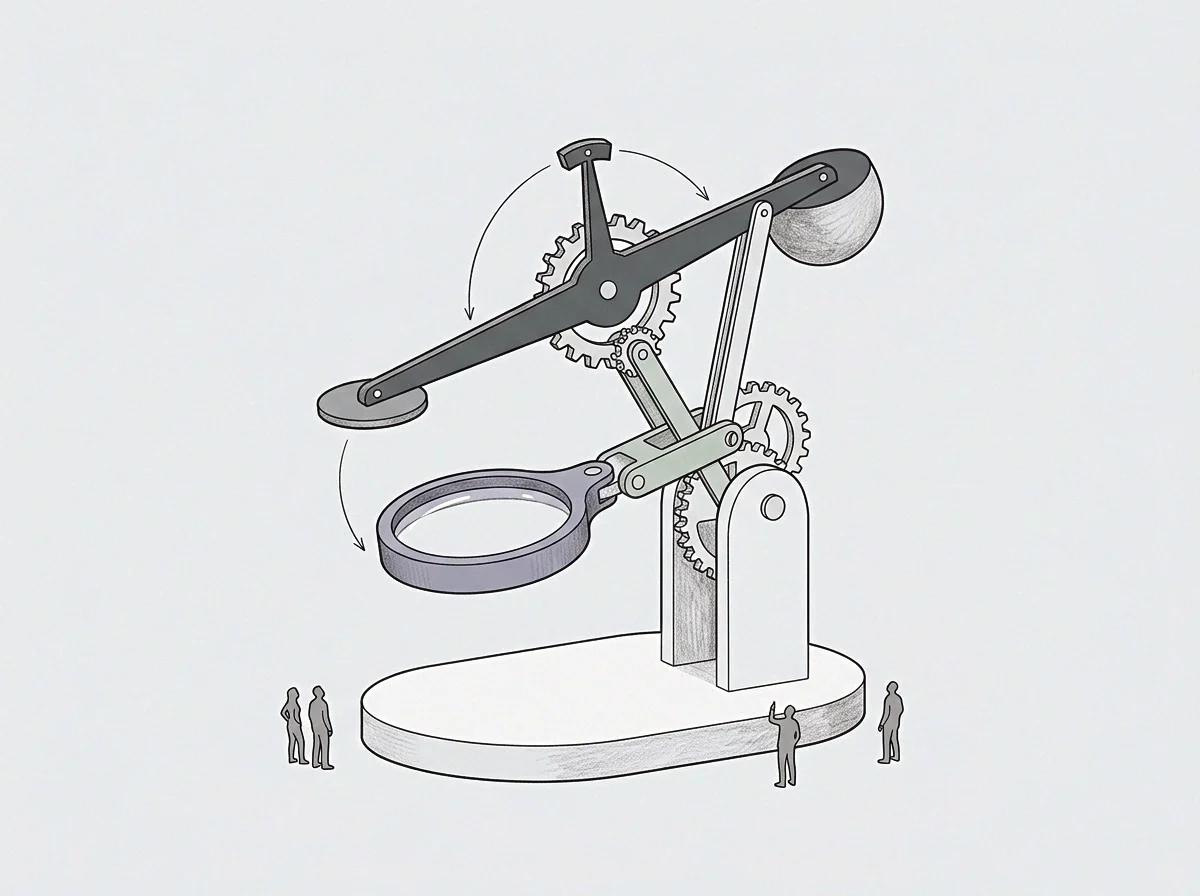
Insensitive zones within control loops prevent minor input fluctuations from triggering continuous state adjustments. This deadband threshold defines the minimum variance required before an algorithm issues a corrective directive. When feedback parameters remain static, fixed thresholds protect downstream actuators from unnecessary mechanical stress and processing overhead.
Problems arise when the system dynamically adjusts its threshold boundaries based on corrupted or oscillating feedback signals.
Dynamic deadband adaptation attempts to optimize control sensitivity by contracting the deadzone during stable periods and widening it during high-noise events. Under uncalibrated multi-vector conditions, the adaptation mechanism mistakes resonant signal amplification for genuine operational noise. The system expands the deadband threshold to absorb the apparent noise spike.
This widening masks actual structural drift, allowing system metrics to deviate significantly from target setpoints before any control action occurs.
Insensitive boundaries expand when internal variance estimators process coupled signal spikes as random noise.
The feedback loop enters an unsustainable cycle as deadband expansion reduces control resolution. The underlying operational parameters wander far beyond acceptable operating margins while remaining inside the enlarged deadband boundaries. When the system eventually detects a breach, the required corrective force is substantial, triggering another wave of resonant multi-vector oscillation.
The adaptive logic responds by expanding the deadband further, compounding systemic lag.
Variance Estimation Under Feedback Noise
Dynamic deadzone calculations rely on statistical estimation of incoming signal variance over defined moving windows. Standard algorithms calculate standard deviation across incoming data points, assuming independent and identically distributed noise patterns. In multi-vector feedback environments, cross-channel resonance breaks signal independence assumptions.
Constructive interference creates artificial variance spikes that skew statistical estimates upwards.
When variance estimates rise, the deadband threshold expands automatically to prevent actuator hunting. The system enters a state of operational inertia, ignoring valid telemetry changes that fall within the inflated deadzone boundaries.
- Boundary Saturation State occurs when the deadband threshold expands to match peak-to-peak resonant noise, suppressing all automated corrective actions.
- Actuator Chatter Regime emerges when the deadband contracts prematurely during a temporary phase cancellation, causing immediate rapid toggling of primary controls.
- Asymmetric Drift Debt develops when directional bias in one feedback vector skews the deadzone offset, permitting drift exclusively along a single operational axis.
Variance estimation algorithms fail when cross-channel correlation factors are excluded from real-time calculations. A single uncalibrated input vector corrupts the moving standard deviation figure within three evaluation cycles. The system remains stuck in an expanded deadband state long after transient noise events subside.
Operational capacity drops while energy consumption spikes during delayed, high-amplitude overcorrection maneuvers.
Uncalibrated variance inputs widen insensitive zones, trading operational precision for transient stability.
Resonance
Phase-aligned feedback signals reinforce each other when parallel transmission channels share structural dependencies. In complex operational environments, thermal, financial, and computational vectors interact through shared infrastructure. When a correction in one vector induces a proportional reaction in another, the feedback loop develops inherent resonant frequencies.
Without explicit damping protocols, uncalibrated feedback loops amplify these resonant frequencies until system limits are tested.
Resonance transforms minor measurement errors into systemic instability. An algorithm adjusting server capacity based on transaction queue depth unintentionally alters thermal dissipation rates. The thermal management system accelerates fan speeds, raising electrical draw, which drops input voltage to power distribution units.
The core control logic reads voltage drops as infrastructure degradation and throttles compute capacity, further backing up the transaction queue. The loop closes, amplifying signal amplitude with each pass.
Cross-channel coupling amplifies signal harmonics when feedback pathways lack physical or operational isolation.
The system reaches a critical state when multi-vector feedback lock occurs. Individual channel inputs line up in phase, turning disparate operational signals into a single coherent wave of disruptive force. The adaptive deadband algorithm sees massive variance and expands deadzone thresholds to maximum limits, effectively blinding the control system.
The physical facility oscillates between extreme load states while the digital control logic remains locked in passive observation.
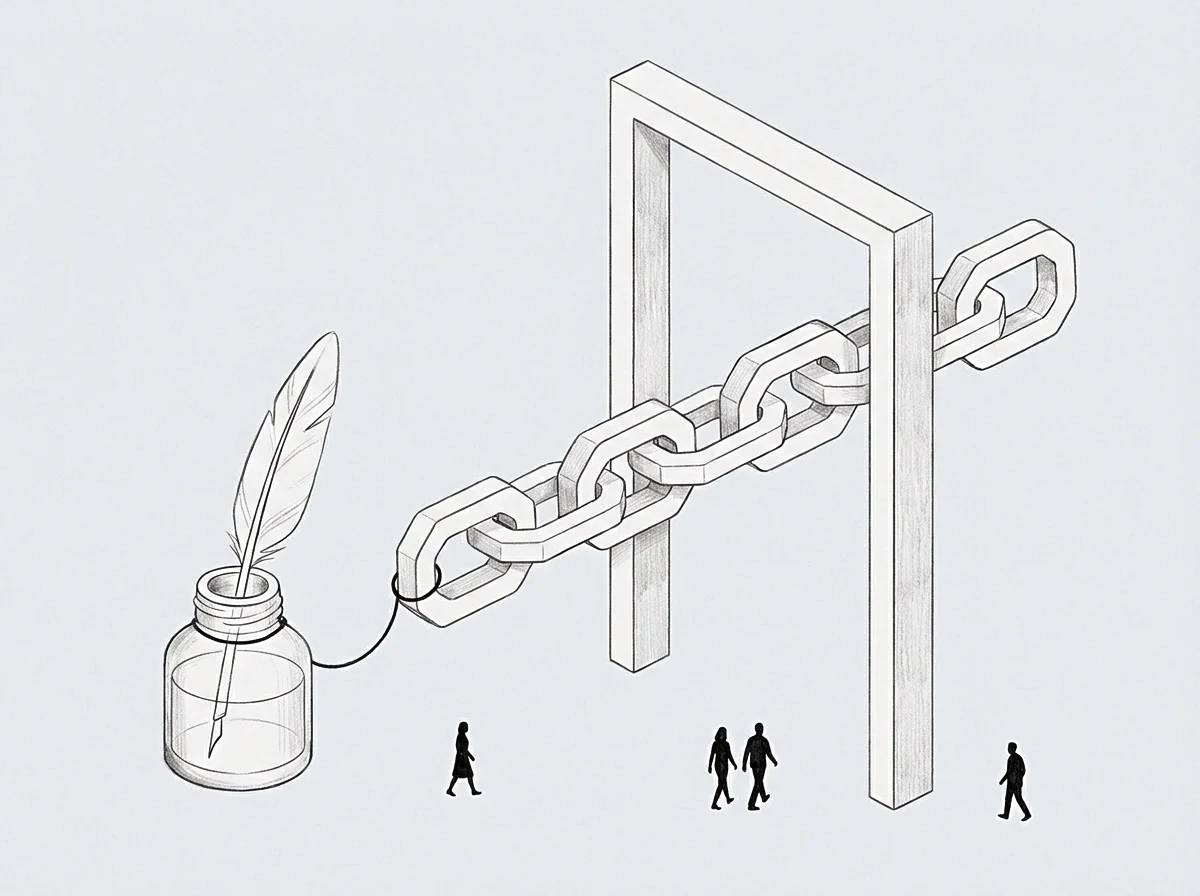
What Triggers Multi Vector Phase Lock Under Phase Shift?
Phase locking occurs when delays across parallel control vectors align at exact integer ratios. A two-second delay in network telemetry combined with a four-second delay in database commit reporting creates a two-to-one harmonic ratio. Under these conditions, control actions driven by network metrics consistently strike the database logic at its point of maximum vulnerability.
The system cannot dissipate cumulative energy, leading to constructive signal resonance.
System stability collapses when parallel feedback loops lock into constructive phase alignment.
Phase shifts alter the apparent direction of feedback vectors, transforming stabilizing negative feedback into destructive positive feedback. A control action intended to reduce queue depth arrives precisely when natural processing recovery occurs, driving resource utilization to peak capacity. The system experiences high-frequency cycling that eludes standard threshold detectors focused purely on signal amplitude rather than phase dynamics.
Engineers examining the system logs after a thermal shutdown event find flatline performance charts right up to the moment of mechanical failure because the expanded deadband suppressed all warning telemetry. The telemetry logs showed absolute stability while the physical components were oscillating to destruction.
Unresolved phase shifts across coupled control channels turn dampening logic into an engine of amplification.
Floor
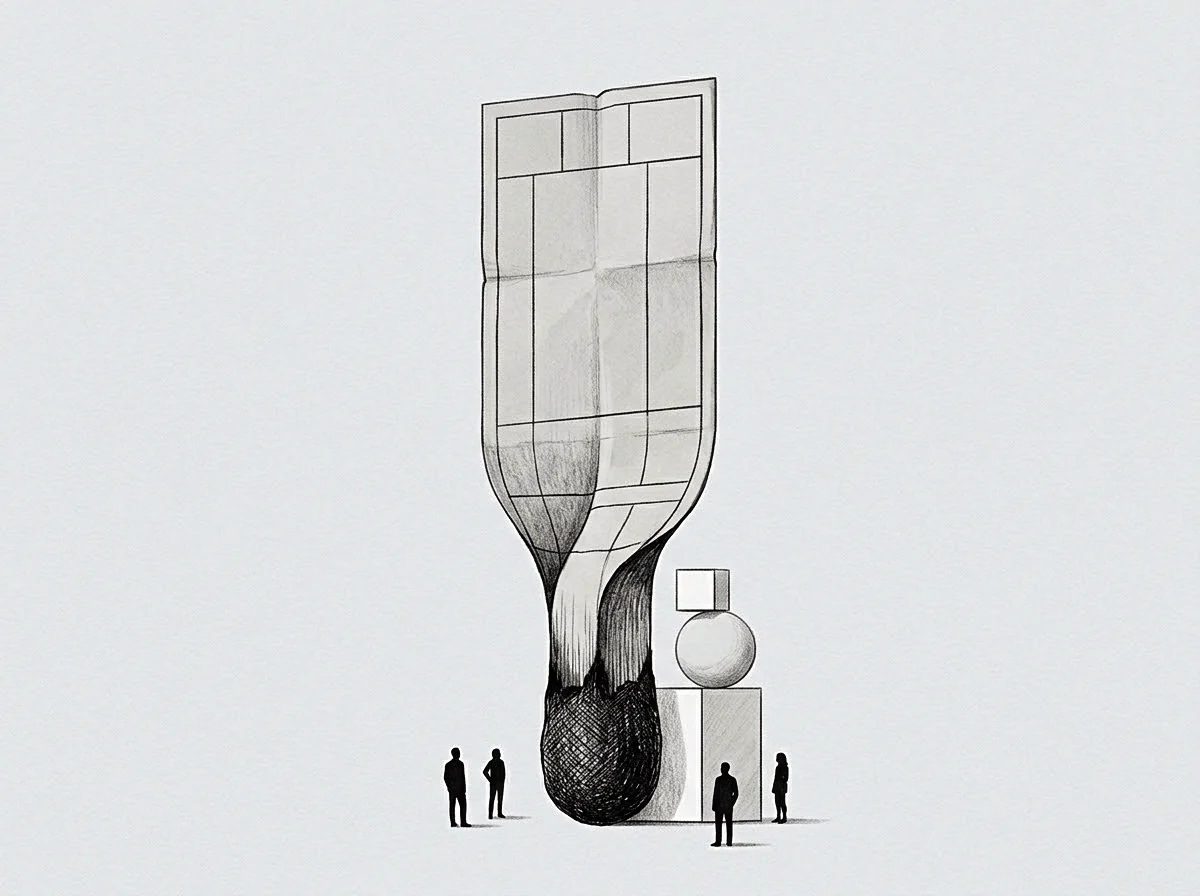
Absolute physical bounds protect systems from the catastrophic failure modes induced by software deadband expansion. While dynamic software logic adjusts insensitivity zones based on incoming telemetry, hard hardware limits impose unbreakable operational ceilings and floors. A mechanical pressure relief valve operates independently of digital control loops, opening at a fixed physical threshold regardless of dynamic software calculations.
Establishing unyielding physical floors prevents adaptive algorithms from expanding deadbands into dangerous operational territory.
Static structural limits act as a truth layer underneath adaptive software controllers. When dynamic deadband algorithms widen thresholds past safe operating margins, physical floor constraints engage to clamp system parameters. The software layer may calculate that an expanded deadband is optimal to reduce signal noise, but physical switches enforce minimum flow rates, baseline voltages, and maximum temperatures.
Hard limits truncate resonant oscillations by forcing immediate state resets.
Physical constraints hold operational boundaries stable when dynamic algorithm logic loses calibration baseline integrity.
Implementing physical floor constraints requires complete independence from primary telemetry pathways. Hardwired analog sensors, mechanical stops, and dedicated logic circuits bypass digital control modules entirely. When an operational parameter breaches a physical threshold floor, these dedicated safety mechanisms take command, resetting control parameters to known baseline states and restoring nominal deadband widths.
Operators observing baseline resets report that physical floor interventions provide the only reliable recovery mechanism during severe multi-vector resonance events.
- Mechanical limit switches trigger immediate actuator locking when software deadzone expansion permits physical component overtravel.
- Analog current limiters dump excess power load independently of digital control directives during resonant electrical spikes.
- Hardcoded firmware interrupts override dynamic threshold calculations when operational metrics stay inside expanded deadzones past specified timeout limits.
- Thermal fuse links physically disconnect high-voltage sub-modules when software temperature monitoring is masked by uncalibrated sensor offsets.
Integrating static floor boundaries limits the maximum operational damage an uncalibrated adaptive algorithm can inflict. System designers establish these hard bounds based on physical material limits rather than variable software telemetry. The system sacrifices temporary performance optimization to preserve structural integrity under dynamic feedback failure conditions.
The system was designed to optimize throughput autonomously, but manual override remains the only safe operational mode while vector calibration is missing.
Clamp
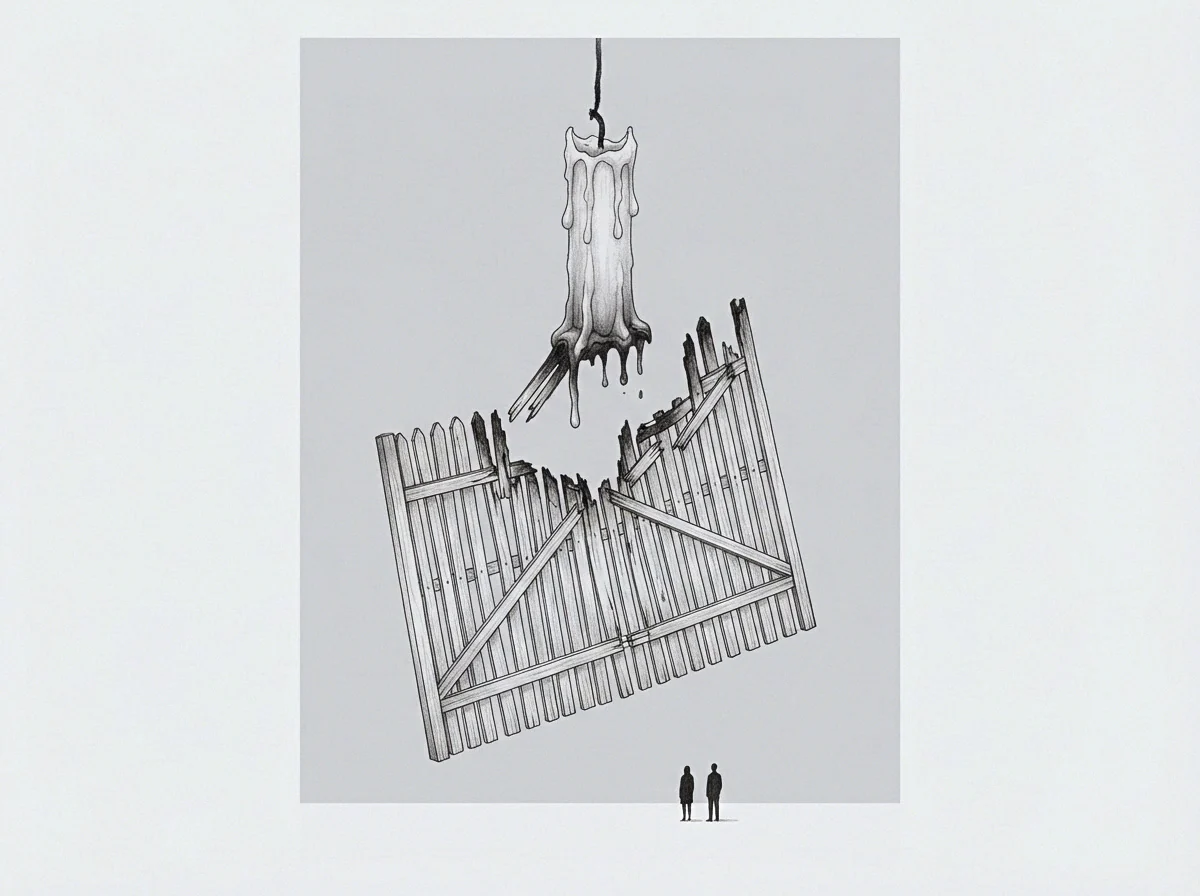
Restoring stability to multi-vector feedback loops requires restricting dynamic deadband adaptation through rigorous clamping protocols. Unconstrained threshold adaptation invites systematic drift and uncontrolled oscillation under uncalibrated conditions. Clamping mechanisms lock deadband boundaries within strict minimum and maximum ranges, preventing noise-induced threshold expansion.
The control loop retains sufficient insensitivity to filter transient noise without losing responsiveness to real operational shifts.
Orthogonalizing feedback vectors removes cross-channel coupling before signals reach the control logic. System architectures separate computational metrics from physical environmental inputs, routing them through independent processing channels. Applying mathematical transformations like principal component analysis decouples overlapping telemetry streams, isolating distinct operational factors.
The control system adjusts deadbands based on true independent variance rather than resonant multi-vector interference.
Calibration windows established over extended operational periods provide stable baseline metrics for dynamic adaptation algorithms. Short-term signal variance must be evaluated against long-term operational history to prevent temporary noise spikes from distorting threshold calculations. Filtering incoming telemetry through fixed baseline windows anchors the control system, keeping insensitivity zones bounded during transient resonance events.
Decoupling parallel telemetry vectors stops cross-channel signal amplification before adaptive algorithms execute.
System operators maintain operational control by prioritizing physical constraint floors over software threshold adaptation. Fixed baseline boundaries prevent dynamic deadbands from expanding into regions of operational blindness. Regular calibration cycles restore signal gain accuracy across all sensor channels, preserving control loop integrity under complex multi-vector conditions.
Static deadband limits enforce predictable control system behavior across uncalibrated operational environments.