Meaning
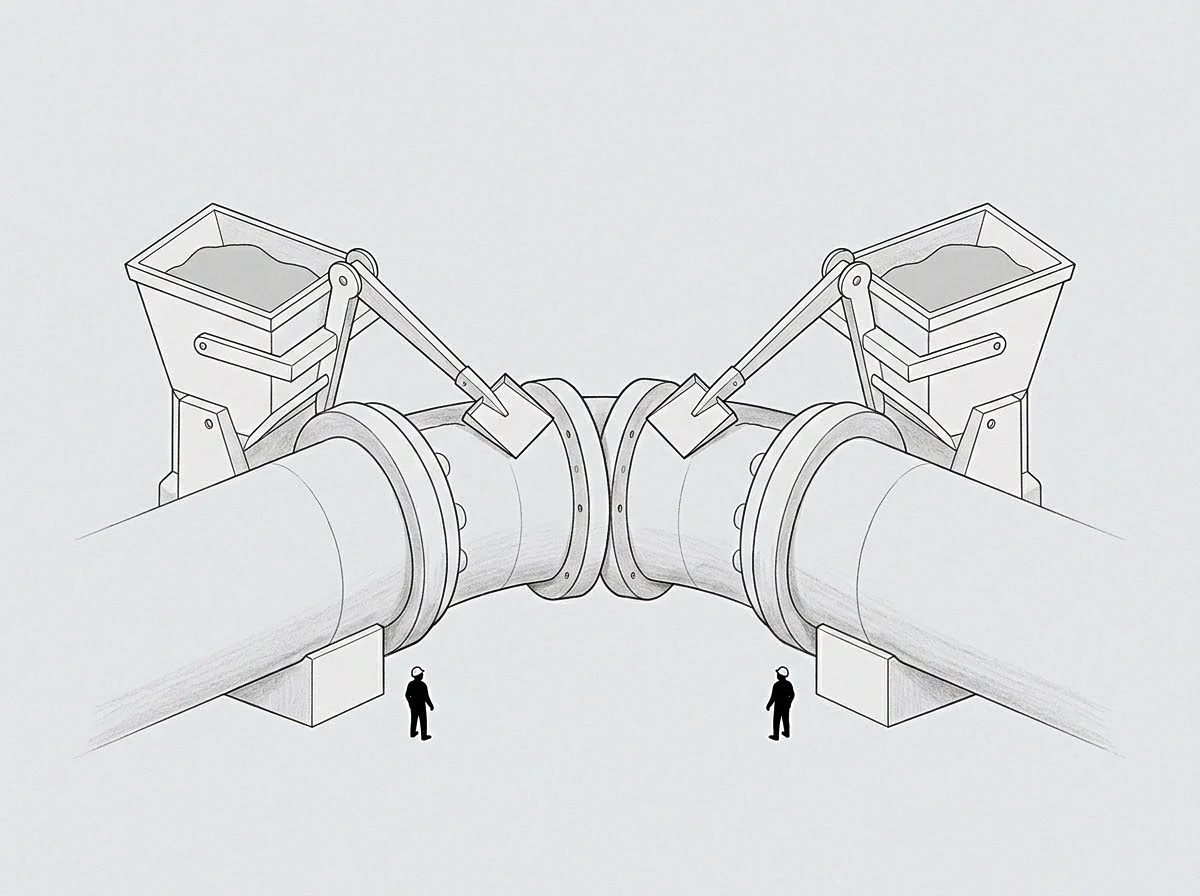
Non-monetary expenditure of energy, focus, time, or capacity required to complete a task within a system. This internal cost measures the hidden drag that an organization or role places on its participants. It captures the drain that does not appear on a financial statement but affects the long term health of the entity.
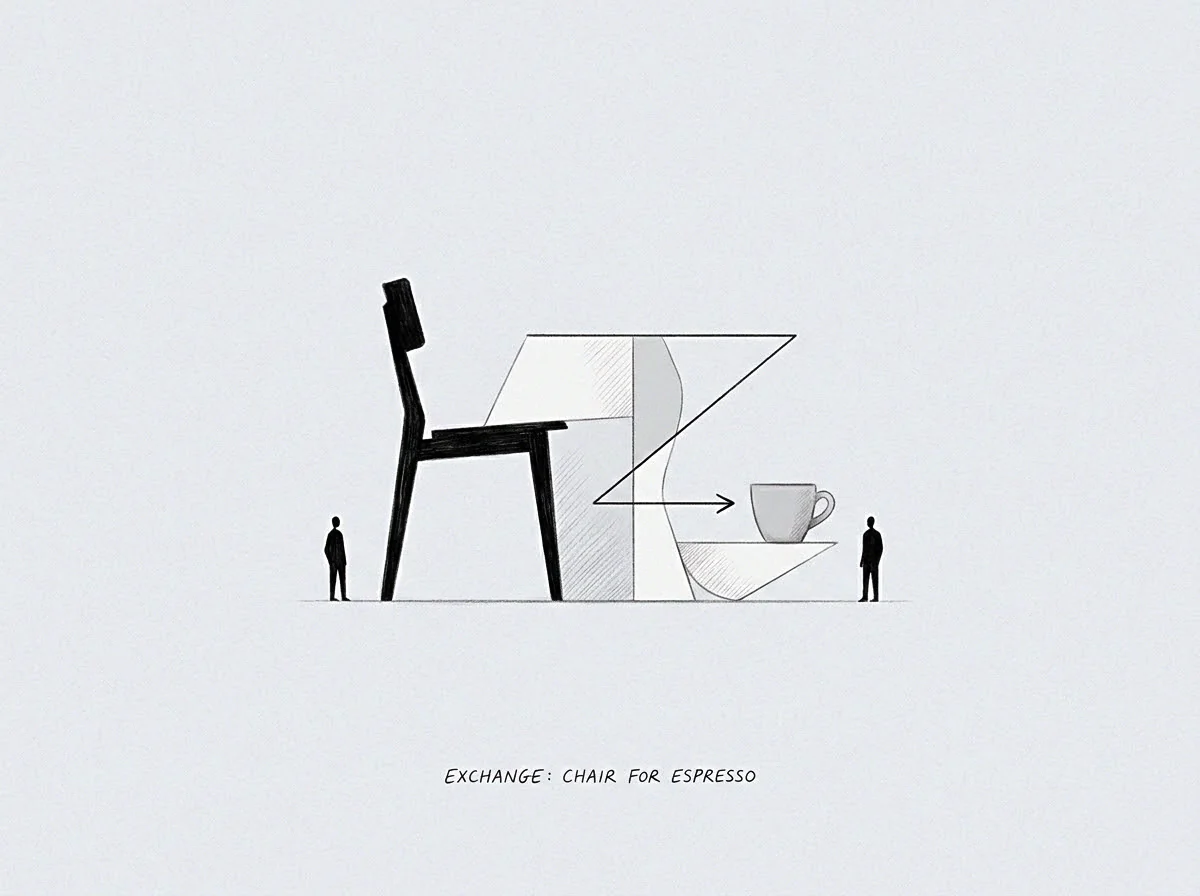
The term stops applying when the cost is externalized to a third party. Assessing this figure allows for a more accurate understanding of the real price of operations.
Hidden Expenditure
Tasks often require more than just the money allocated for them. High internal cost is found in processes that are manual, repetitive, slow, or complex. These factors consume the attention of the leadership and the staff without adding to the final product.
Implicit Resource
Resources such as time and energy are finite assets that must be managed with the same care as cash. When internal cost is high, the organization is essentially spending its future potential on current friction. This depletion can lead to burnout or a loss of competitive advantage.
Systemic Load
Friction within a process creates a cumulative burden on all who interact with it. A high internal cost slows down the entire operation, making it harder to respond to market changes. Simplifying the workflow reduces this load and frees up resources for innovation.
The goal is to reach a state where effort leads directly to value.