
Measuring Unseen Operational Drag Across Standard Delivery Pipelines
Unseen operational drag is quantified by measuring the distance between reported telemetry speed and the path of avoidance taken around fragile pipeline stages.

Signal
Deployment logs present an ideal surface. Continuous integration dashboards routinely display green checkmarks across hundreds of daily builds, signaling clean operational health to project managers and engineering directors. Production release cadence decelerates across consecutive quarters while commit volume remains constant.
The metrics remain unchanged. Work arrives at the repository. The pipeline runs to completion.
Software artifacts land in repository stores, yet features remain held in staging environments or behind unmerged feature branches for days.
Standard delivery metrics track internal automation velocity while leaving external human verification loops unmonitored. When build systems calculate cycle time strictly from commit creation to artifact generation, they measure machine processing speed rather than software delivery flow. Latent queueing occurs before code reaches the repository and after tests complete.
Engineers spend hours verifying dependencies locally, pinging colleagues for pull request approvals across chat channels, and performing manual smoke tests because automated suites lack coverage for critical edge cases.
Standard release telemetry measures execution speed while omitting the human verification loops that precede execution.
This operational drag operates as a hidden tax on engineering capacity. Standard delivery pipelines are designed around explicit, deterministic steps: compile, unit test, containerize, deploy. When automated steps become unreliable or incomplete, informal human steps emerge around the formal pipeline to mitigate deployment risk.
These manual workarounds absorb cognitive energy and calendar time, yet they leave no trace in automated telemetry. Measuring true pipeline efficiency demands looking past server execution duration to map the complete path code travels from developer workspace to production infrastructure.

Visible Throughput Against Hidden Latency
Telemetry tools aggregate cardinal figures such as build runtime, test duration, and release frequency. These numbers present a false binary where a pipeline is either healthy or broken. Drag lives in the ordinal space of friction, context switching, and defensive coordination.
An automated test suite running in four minutes creates low friction if developers trust its output. The same four-minute suite creates immense drag if developers rerun it three times locally before opening a pull request to check for environmental non-determinism.
The accumulation of unmeasured coordination manifests in extended branch lifetimes. Code branch age measures the duration between initial commit and final merge into master branches. Long branch lifetimes expose high drag, regardless of how fast individual build steps execute once triggered.
When engineers delay merging code because release procedures involve manual sign-offs or fragile integration environments, latent risk builds up across the codebase. Merging large, aged branches introduces complex integration conflicts, creating further downstream delay.
Whether the accumulated delay stems from poor architectural boundary definitions or from defensive organizational sign-offs remains unresolved at the measurement layer.

Pipe
Friction inside delivery infrastructure acts like physical fluid resistance in conduit systems. As code volume passes through a delivery path, minor structural impediments generate turbulence. Code sits in pull queues.
Automated suites pass immediately. Friction accumulates outside the repository. Where pipeline stages lack clear ownership or reliable test isolation, developers construct informal verification paths to protect production stability.
These informal paths constitute shadow delivery pipelines.
Shadow verification paths exist because formal pipelines fail to provide complete deployment confidence. Developers setup local database mirrors, perform manual API calls using personal testing toolkits, and seek verbal confirmation from team leads before merging code. Each manual step represents a structural gap where automated tooling leaves operational risk unmanaged.
The presence of shadow pipelines indicates that standard metrics misrepresent delivery performance by excluding the manual labor required to keep builds green.
Systemic drag inside delivery pathways assumes distinct structural forms:
- Shadow Staging Overrides occur when engineers assemble ephemeral environments locally to validate cross-service integrations that automated continuous integration suites fail to cover accurately.
- Flaky Test Recycling manifests when automated failures are re-triggered repeatedly without code changes until a green run occurs, hiding environmental instability behind superficial success.
- Out-of-Band Approvals accumulate in messaging channels where authors lobby reviewers directly to bypass slow code review queues, creating asymmetrical review latency across teams.
- Manual Pre-Flight Verification emerges when developers execute local scripts for twenty minutes prior to pushing commits, adding invisible overhead to every revision cycle.

Shadow Loops and Unmodeled Verification
Unmodeled verification loops distort engineering allocation. When automated staging environments differ from production configurations, teams insert manual verification gates prior to deployment. These gates require human operators to manually verify configuration variables, database migrations, and third-party API keys.
The formal pipeline registers a fast deployment, but total elapsed time includes hours of manual preparation and post-deployment monitoring.
Manual verification loops introduce cognitive fatigue and increase human error probability. Engineers managing manual gates operate under defensive constraints, spending excess time double-checking parameters rather than building functional improvements. The friction generated by manual verification grows non-linearly with release complexity.
As system architecture expands, manual gate coordination consumes an increasing fraction of total delivery capacity, restricting overall engineering throughput.
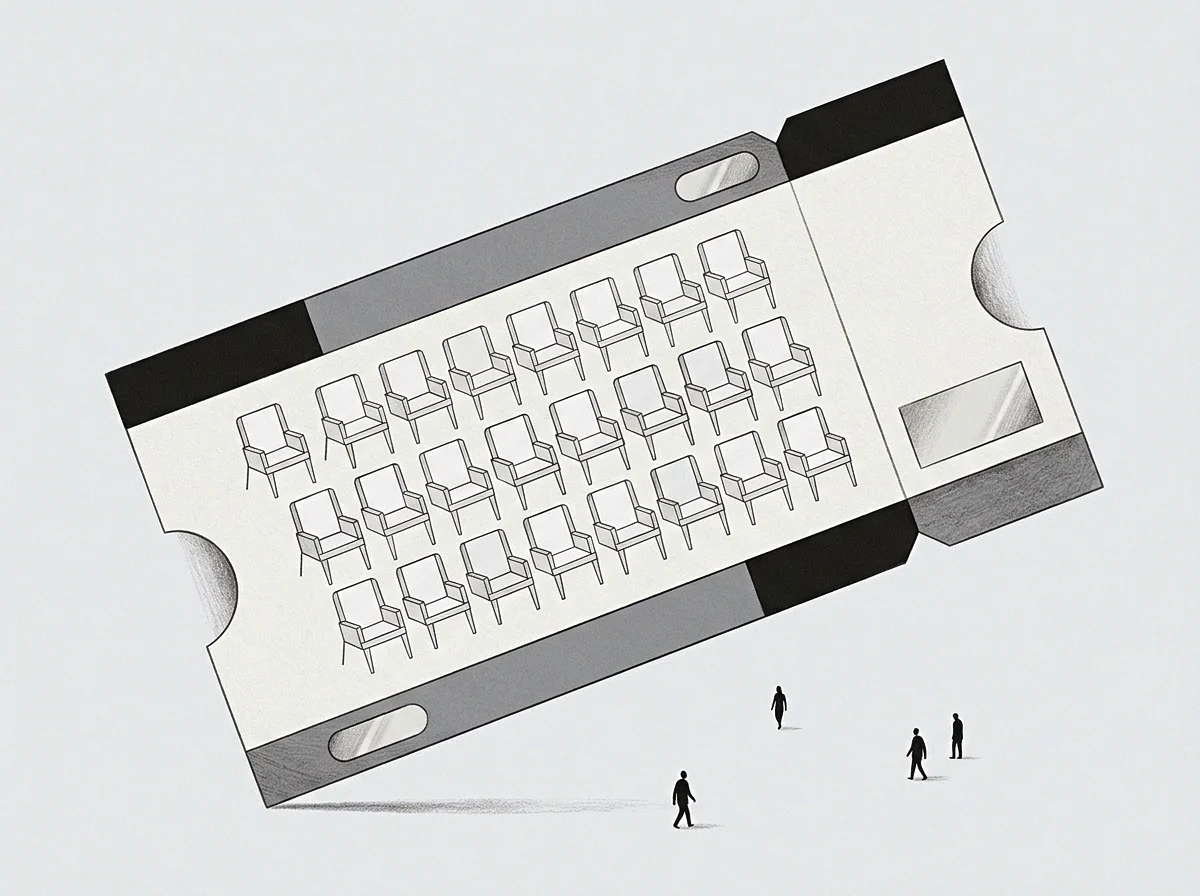
Structural Drag Components in Delivery Sequences
Analyzing operational drag requires separating machine runtime from human wait time. Machine runtime includes compilation, static analysis, container building, and test suite execution. Human wait time includes code review latency, approval waiting periods, environment provisioning delay, and manual sign-off duration.
In standard pipelines, human wait time accounts for over eighty percent of total delivery lead time.
Reducing machine runtime yields minimal improvements when human wait time dominates delivery sequences. Shaving two minutes off an automated build suite provides little practical benefit if code waits twenty-four hours for peer review. Optimizing delivery pipelines demands identifying and reducing human wait states.
Systemic drag drops when organizations streamline review workflows, automate environment provisioning, and eliminate redundant approval gates.
Operational drag grows whenever human validation moves into informal communication channels to compensate for automated test suite unreliability.

Contour
Mapping operational drag across delivery systems requires plotting engineer behavior against pipeline topology. Developers route around fragile stages. The path of least resistance forms.
The gradient points toward missing infrastructure. When automated integration tests break frequently without clear error messages, developers avoid running them locally and rely on remote build runners to catch errors late. This avoidance behavior marks high-friction coordinates inside the delivery architecture.
Avoidance vectors reveal systemic debt within delivery systems. Where developer workarounds concentrate, underlying automation models are incomplete or broken. Tracking avoidance requires observing developer tool usage, local build configurations, and manual communication frequency.
High concentrations of informal communication prior to code merges indicate low confidence in automated pipeline validation.
Systemic avoidance of automated staging environments doubles the latent cognitive load of production releases.

Mapping Avoidance as a Vector Marker
Calculating the drag gradient involves tracking how developer activity deviates from intended pipeline workflows. Deriving this vector follows a four-step diagnostic path:
- Identify manual interventions that recur across release cycles.
- Record time spent in informal coordination channels prior to automated build triggers.
- Calculate variance between local branch life and main branch merge times.
- Map execution pauses against architectural service boundaries.
Plotting these parameters generates a contour map of operational friction. High-drag regions identify delivery stages where developers experience peak context switching and administrative delay. Pipeline engineering teams use these maps to target automation investments precisely where human friction stalls delivery flow.

Where Does Avoidance Register on the Pipeline Contour?
Avoidance registers visibly at structural transition points within software delivery lifecycles. Major transition points include code handoff from local environment to continuous integration server, service integration testing, pre-production staging deployment, and production release cutover. Each transition point presents specific operational risks that trigger defensive human behaviors.
At the code handoff point, avoidance appears as massive, infrequent code commits. Developers defer pushing code to shared repositories to avoid triggering noisy CI alerts or exposing incomplete work to premature review. Deferred commits compound integration friction, leading to complex merge conflicts when code is finally pushed.
At the production cutover point, avoidance manifests as constrained deployment windows, where releases occur strictly at designated hours accompanied by large monitoring teams.
Treating developer workarounds as personal inefficiencies rather than structural vector markers guarantees that pipeline refactoring efforts target the wrong delivery bottlenecks.

Rig
Delivery architectures exhibit structural drag patterns determined by their underlying design models. Monoliths concentrate merge friction. Distributed builds scatter latency.
Comparing pipeline archetypes demonstrates how operational drag scales alongside architectural complexity and organizational distribution.
| Pipeline Archetype | Primary Drag Vector | Latent Delay Mechanism | Measurement Coordinate |
|---|---|---|---|
| Monolithic Continuous Integration | Centralized test queue contention | Sequential build execution and merge queue blocking | Pull request queue dwell time |
| Microservice Distributed Pipeline | Cross-service dependency alignment | Asynchronous integration testing and environment drift | Local integration setup duration |
| Data and Event Delivery Stream | Schema migration validation | Manual dataset backfilling and state reconciliation | Pre-deployment schema audit time |

Comparative Friction Across Pipeline Architectures
Monolithic integration builds exhibit high queue friction at centralized pipeline nodes. As dozens of developers push code to a shared repository, build servers become congested. Test suites queue sequentially, forcing developers to wait for preceding builds to finish before receiving validation feedback.
High queue dwell time encourages developers to batch multiple features into single commits, compounding release risk and lengthening debug cycles when tests fail.
Microservice pipelines distribute execution overhead across modular build paths, reducing central queue congestion. Microservice delivery introduces cross-service dependency friction. Developers building features across multiple microservices must coordinate deployment sequencing, manage interface contract revisions, and maintain complex local testing rigs.
Drag shifts from centralized build server queues to decentralized coordination meetings and distributed dependency tracking.
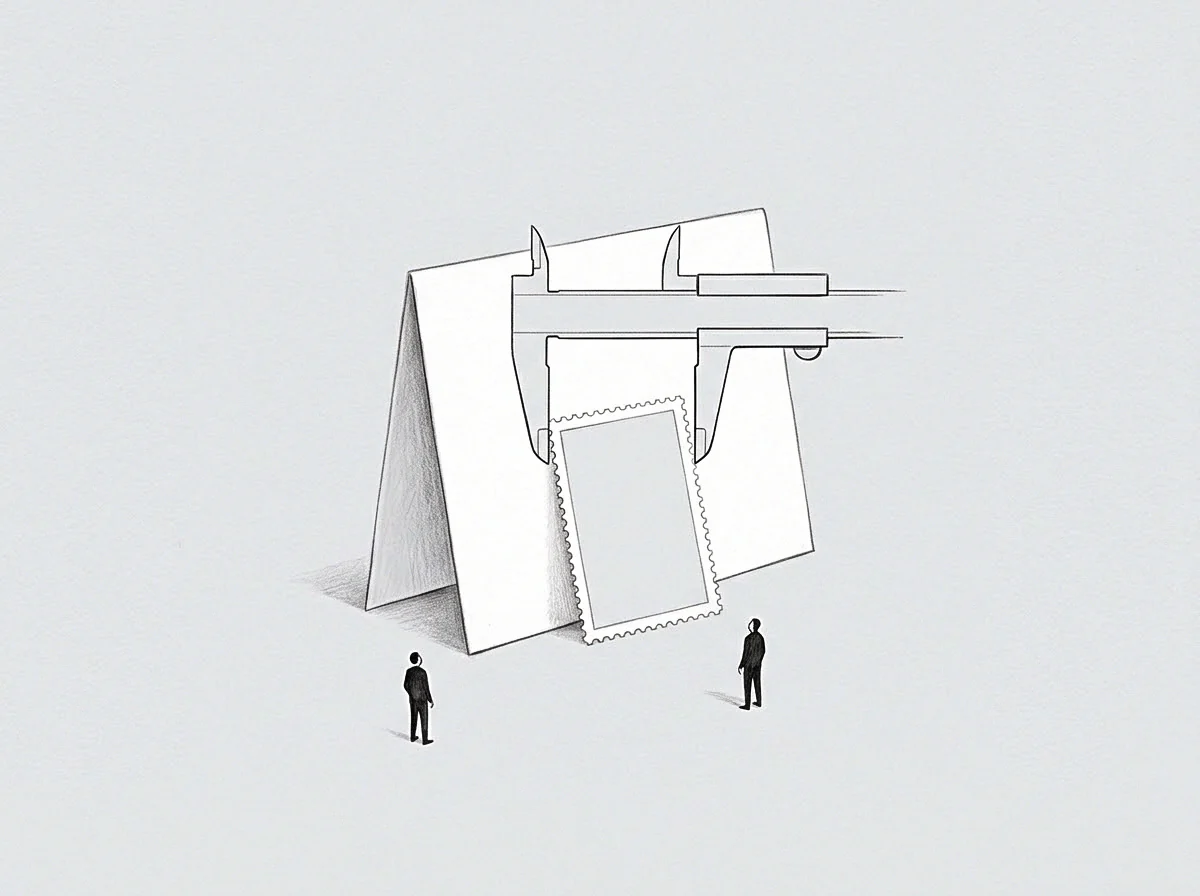
Architectural Drag Distribution
Data and event pipeline architectures present specialized drag profiles driven by schema validation and data integrity constraints. Unlike application code pipelines where binaries build deterministically, data pipelines interact with persistent state. Deploying data pipeline updates requires validating backward compatibility across historical datasets, executing schema migrations, and verifying event message delivery ordering.
These safety constraints create significant pre-deployment audit drag.
Managing stateful delivery pipelines demands dedicated tooling for automated schema validation and data backfilling. Organizations that rely on manual dataset checks experience severe delivery deceleration. Data engineering teams spend hours manually inspecting database records and verifying message queues prior to production releases, turning data delivery into a brittle, high-friction operational bottleneck.
“The release infrastructure is fine because the automated test suite completes in four minutes, even if getting a feature into master takes three weeks of back-channel coordination.”

Limit
Automation hits physical limits. Queue capacity collapses abruptly. Expanding automated test coverage beyond threshold boundaries yields diminishing returns while generating maintenance overhead.
As test suites expand to cover obscure edge cases, build execution times lengthen and test non-determinism increases. Flaky tests inject noise into pipeline signals, eroding developer trust in automated feedback and driving teams back toward manual verification routines.
Determining the optimal boundary for automated delivery infrastructure requires balancing execution speed against validation confidence. Pipeline engineers evaluate the trade-off between fast, permissive automated suites and slow, exhaustive validation loops. Permissive suites return rapid feedback but allow edge-case defects to reach staging environments.
Exhaustive suites catch defects early but create delivery drag that slows engineering velocity across all project workstreams.
Pipeline throughput reaches saturation when incremental test automation creates more maintenance drag than manual verification saves.
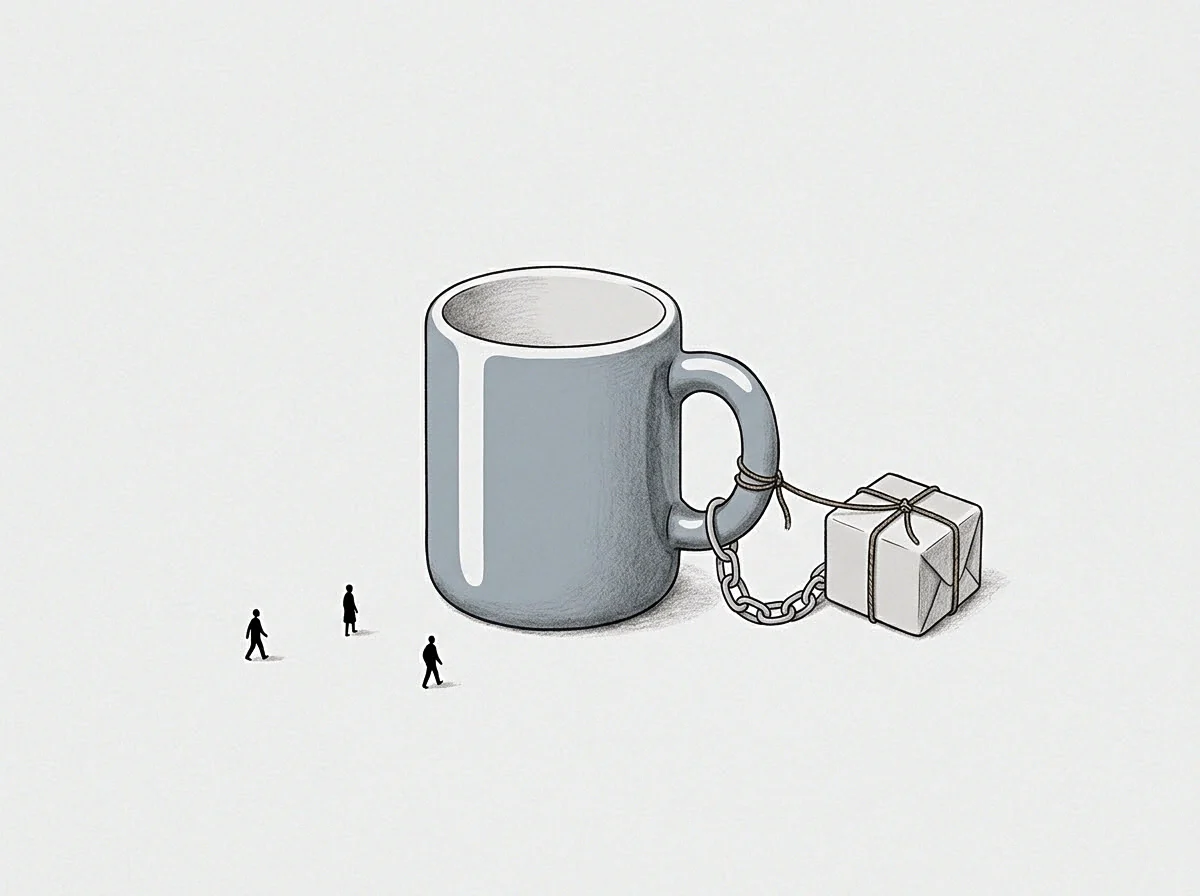
The Boundary of Model Capacity
Delivery systems operate within hard cognitive limits set by human mental capacity. When pipeline execution workflows demand complex manual coordination across multiple teams, cognitive overload occurs. Developers spend substantial mental energy managing release procedures, resolving environment configuration drift, and monitoring deployment health instead of designing software solutions.
Exceeding cognitive capacity limits leads to pervasive delivery failure modes. Exhausted engineering teams cut corners on security reviews, bypass validation steps, and deploy untested hotfixes to clear operational backlogs. Systemic drag transforms from a subtle performance tax into an active driver of production downtime and architectural decay.
Maintaining long-term delivery health requires designing pipeline boundaries that keep human operational demands well below cognitive saturation thresholds.

Re-Baselining Pipeline Latency
Re-baselining pipeline latency demands resetting delivery metrics to reflect total elapsed lead time rather than server runtime. Teams must measure cycle time from initial code creation to production availability, capturing all intermediate queue states, review delays, and manual verification loops. Establishing realistic lead time baselines exposes hidden operational drag and provides clear targets for infrastructure refactoring.
Eliminating operational drag requires continuous maintenance of delivery infrastructure. Engineering organizations allocate dedicated capacity to refactor flaky tests, update deployment tooling, and streamline approval workflows. Treating release pipelines as production-grade products ensures that delivery pathways remain clean, reliable, and capable of supporting engineering throughput without generating latent operational friction.
Establishing an explicit boundary clause on maximum allowable queue dwell time converts latent operational drag into an active architectural refactoring signal.