
Dynamic Backpressure Propagation and Tail Latency Headroom Compression Mechanics
Dynamic backpressure propagates downstream execution limits upstream through buffer saturation, collapsing tail latency headroom and converting excess load into rejected requests.
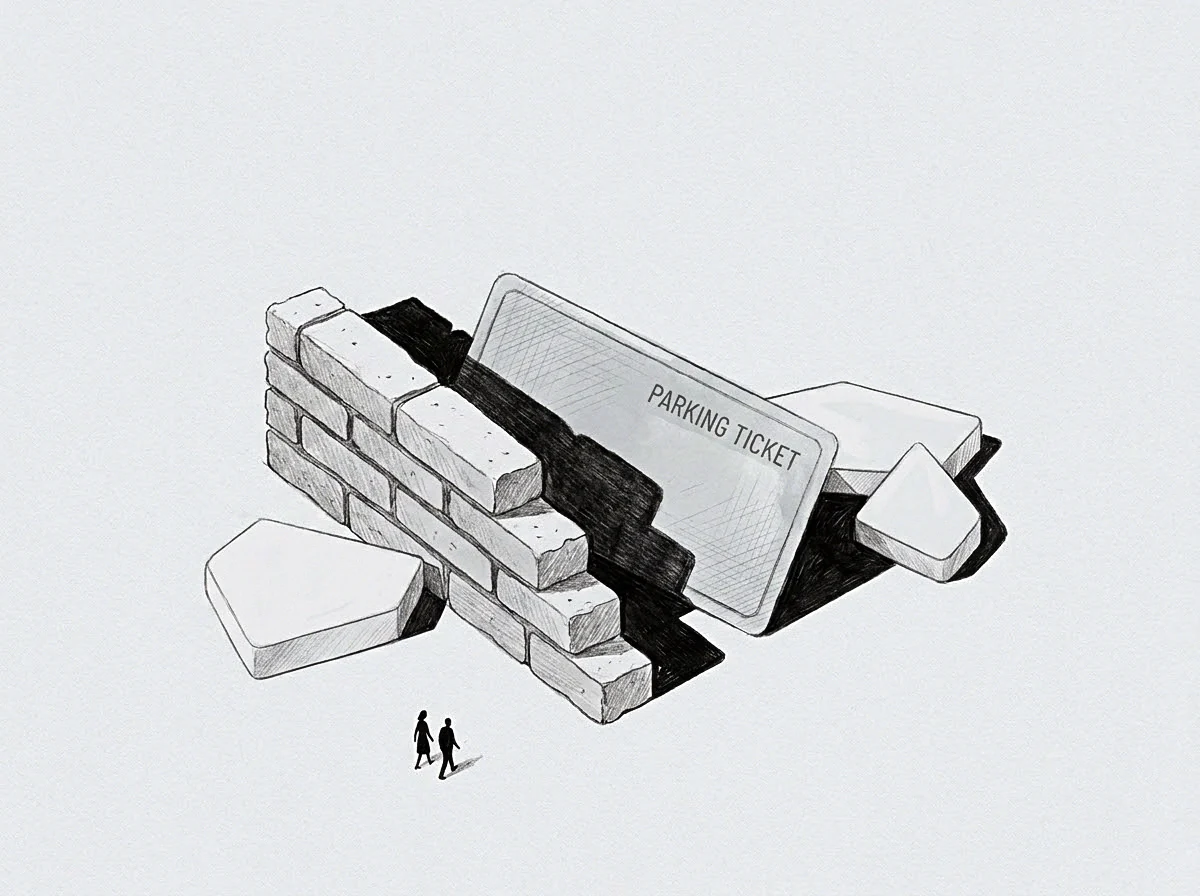
Vector
Distributed service pipelines depend on the balance between execution rate and ingress rate. When upstream components push requests faster than a downstream service processes them, unserviced work shifts out of execution threads into memory queues or socket transmission buffers. The early stage of overload shows up quietly in high-percentile execution times while median arrival rates appear unchanged, masking the shift behind steady summary counters.
Every processing node operates against a baseline defined by service-time distributions and network throughput limits. Incoming traffic varies stochastically, producing bursts that temporarily exceed average channel capacity. Under normal conditions, transient buffers hold this excess work just long enough for worker threads to drain it.
Latency stays bounded near median thresholds as long as average arrival velocity remains below maximum consumption capacity.
When ingress traffic velocity persistently exceeds downstream processing rate, queue depth expands linearly while tail execution time inflates exponentially.
A system running at high channel utilization loses the buffer space needed to absorb incoming variance. Small spikes in request volume trigger non-linear queuing delays, pushing execution times out of predictable baseline ranges into unbounded tail distributions. As worker threads spend more CPU cycles on contention and context switching at the queue locks, actual throughput degrades relative to incoming request volume.
Failing to account for processing velocity degrades upstream rate stability, forcing downstream components into continuous buffer saturation.
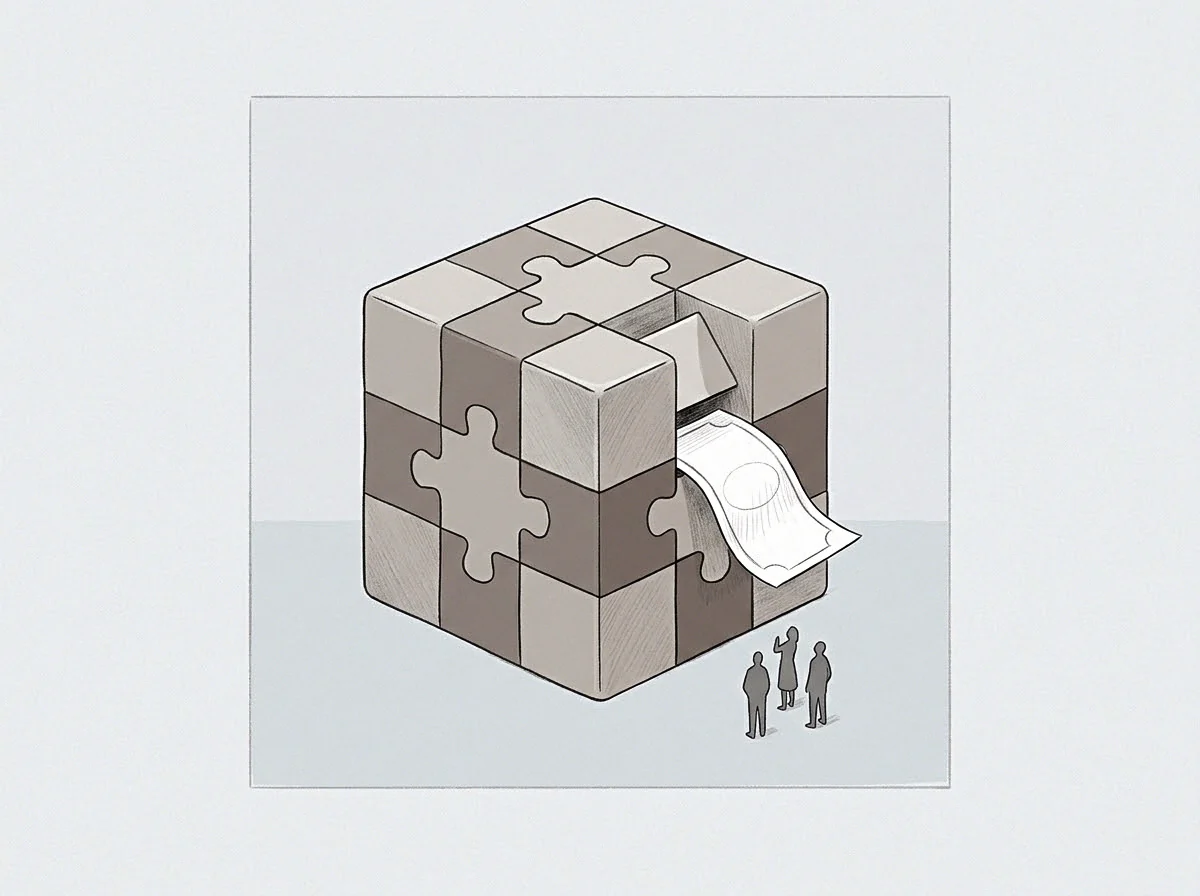
Pipe
Physical memory buffers and network socket queues form the core conduit of any concurrent processing pipeline. When downstream workers starve for resources, unserviced work builds up inside the memory space of intermediate relay layers. Holding this unexecuted state converts execution delays directly into memory expansion across all intermediate nodes.
Buffers absorb initial bursts of work, but as memory allocation grows, garbage collection pauses and allocation locks begin interrupting active request loops. Operating systems react to this pressure by paging buffer blocks or throttling write operations on network interfaces. The socket layer then delays TCP window acknowledgments, triggering transport-layer flow control across physical interfaces.
- In-Flight Accumulation occurs when transient requests fill active socket send buffers faster than downstream consumers acknowledge incoming protocol frames.
- Buffer Saturation occurs when internal software queues hit absolute memory limits, forcing memory managers to reject new allocations or suspend thread execution.
- Transport Throttling occurs when TCP window sizes shrink to zero, preventing upstream socket layers from emitting packet bytes onto the wire.
A pipeline reaches critical thresholds long before thread pools fully exhaust. Operating system kernels respond to buffer depletion by delaying read acknowledgments, forcing sending applications to stall on socket write calls. This transmission delay locks sending threads in blocking or asynchronous wait states, spreading resource strain across service boundaries.
Buffer allocation models dictate recovery time following congestion events.
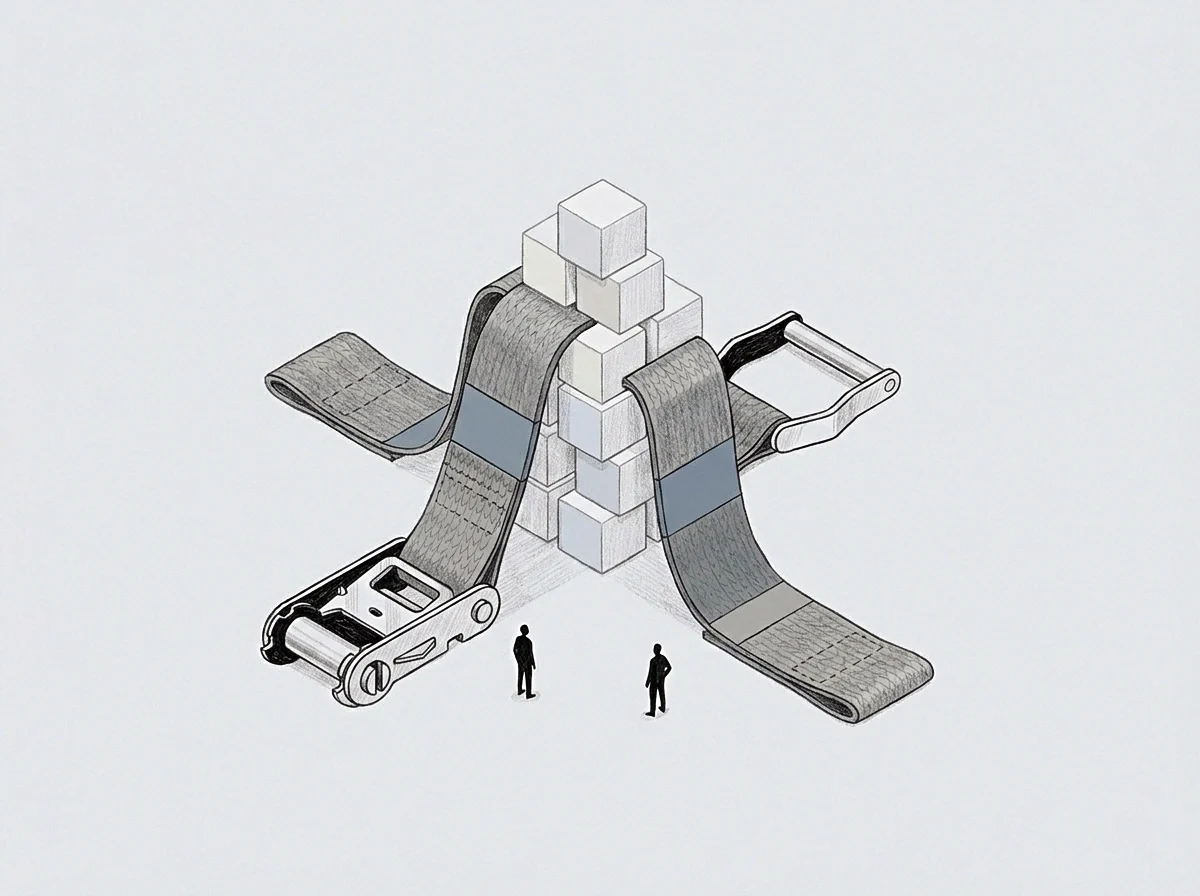
Cascade
Backpressure propagation is how downstream consumption limits force upstream producers to slow down or pause request generation. When a downstream queue reaches capacity, the service rejects incoming connections or sends flow control signals to its immediate callers. Stalling the caller’s pipeline fills its local buffers, pushing congestion back toward edge routing layers.
Why Does Upstream Throttle Before Buffer Exhaustion?
Proactive rate limiting prevents service collapse by enforcing pushback before memory is completely exhausted. When an intermediate tier detects downstream queue saturation, local rate limiters return HTTP status responses or protocol control frames. This forces the upstream caller to queue requests in its own memory or shed low-priority traffic before network interfaces stall entirely.
Reactive systems rely on TCP socket blocking to signal load state, introducing unpredictable latencies across microservice call graphs. Proactive systems use credit-based or token-bucket signaling to convey explicit operational budgets to upstream nodes. Running out of credits forces callers to pause request generation immediately, preserving downstream memory stability at the expense of higher entry latency for incoming clients.
Credit-based flow control prevents cascade failure by transferring queue state management to call originators.
Hop-by-hop backpressure protects local buffers across individual network links, but cumulative latency rises as request chains lengthen. End-to-end signaling paths bypass intermediate service layers to deliver drop or pause instructions directly to ingress routers. When intermediate nodes hide downstream backpressure behind unbounded retries, upstream callers keep pouring work into saturated pipelines, compounding total recovery costs.
Because the downstream system cannot process requests at the current arrival rate, caller ingestion rates must drop immediately.
Squeeze
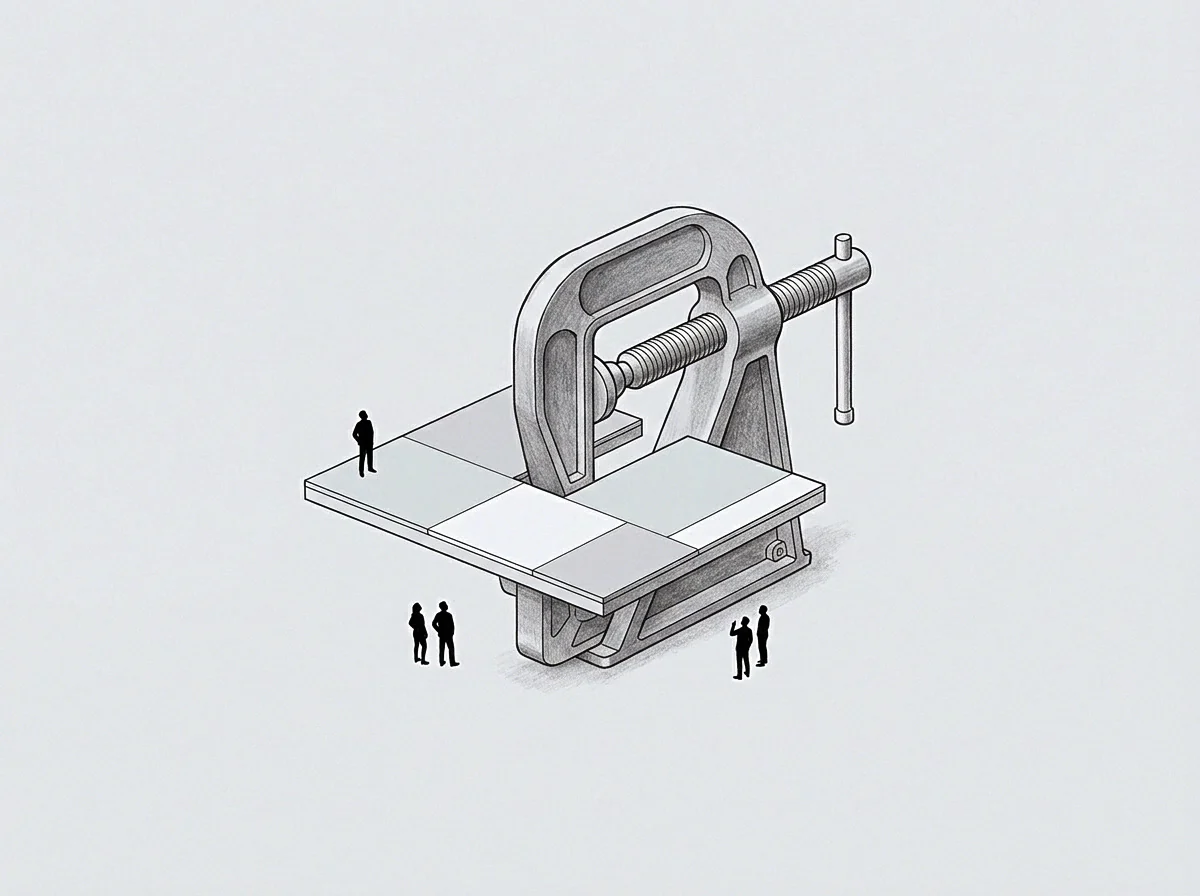
Tail latency headroom compression is the rapid shrinking of safety margins between normal execution times and maximum tolerable service level agreements. At low utilization, the gap between median p50 execution times and p99.9 tail latencies easily absorbs system noise, garbage collection pauses, and network retries. As backpressure spreads through the execution graph, queue wait times consume this buffer, driving high-percentile latency toward hard timeout thresholds.
Processing delays do not accumulate uniformly across request percentiles; they concentrate in the high-percentile buckets. A minor increase in queue wait time multiplies total service duration for complex requests with multiple downstream fan-outs. Because fan-out operations must wait on the slowest concurrent branch, p99 latencies degrade far faster than median service times.
Headroom collapses as backpressure restricts concurrency across execution pools. Work items sit in intermediate queues for durations that eclipse actual processing times by orders of magnitude. When p99 latencies reach client timeout limits, callers abort active requests while downstream nodes keep processing the abandoned work, wasting CPU cycles on discarded operations.
| Saturation Level | p50 Latency | p90 Latency | p99 Latency | p99.9 Latency | SLA Headroom |
|---|---|---|---|---|---|
| 50 Percent | 12 ms | 18 ms | 35 ms | 58 ms | 142 ms |
| 80 Percent | 15 ms | 32 ms | 95 ms | 180 ms | 20 ms |
| 95 Percent | 28 ms | 110 ms | 420 ms | 890 ms | 0 ms |
| 99 Percent | 85 ms | 480 ms | 1850 ms | 4200 ms | Negative 2200 ms |
The relationship between channel utilization and tail latency follows queuing theory models, where service times approach infinity as utilization approaches unity. When backpressure forces upstream services to hold work items in transient storage, queues absorb this non-linear tail growth. Eventually, minor traffic fluctuations wipe out remaining headroom entirely, triggering widespread timeout cascades across client applications.
A service operating at ninety-five percent channel saturation surrenders its operational safety buffer, causing p99 latencies to eclipse SLA limits.
Compressed tail headroom forces operators into reactive capacity provisioning, as static timeout configurations fail to prevent client-side operational failures.
When caller timeouts fall below the p99 execution threshold during backpressure events, retry storms inflate total ingress volume while useful throughput drops near zero.
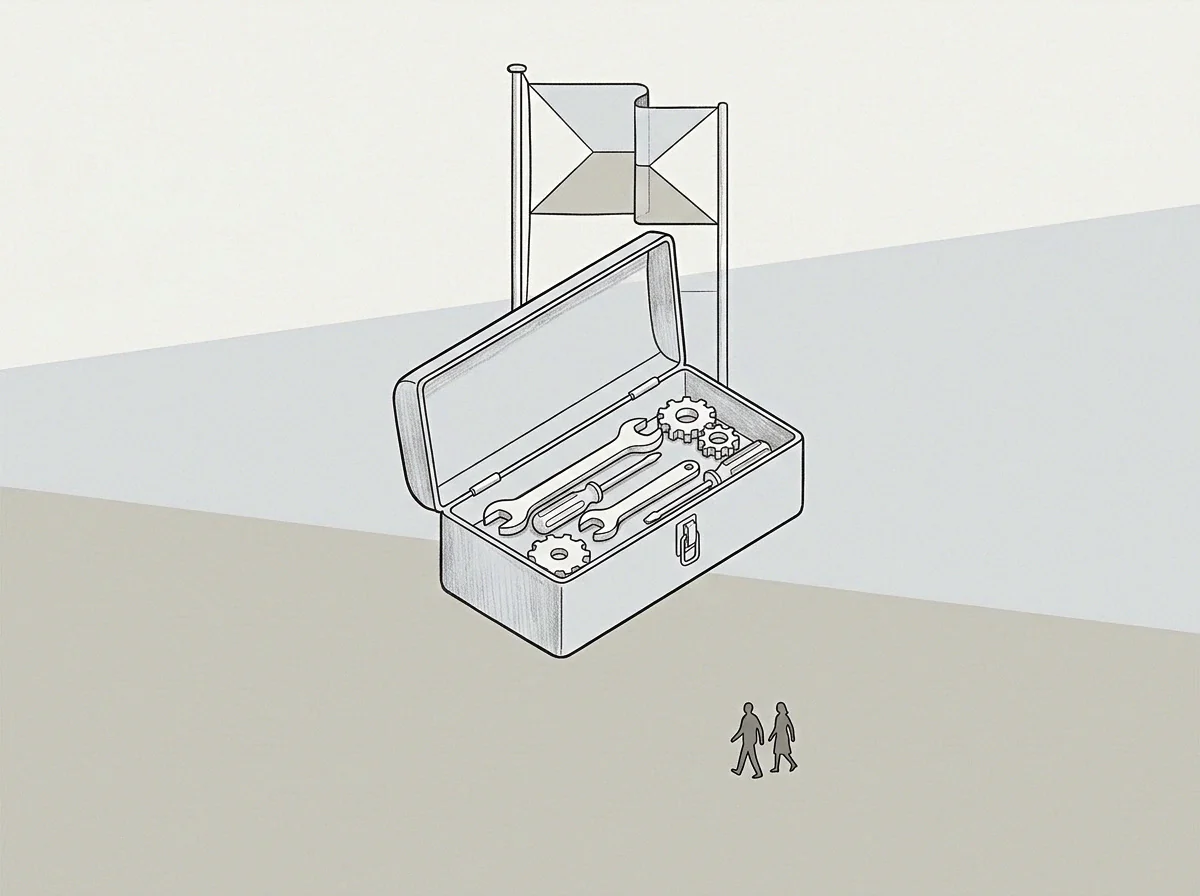
Bound
System architects decouple backpressure propagation from execution failures by implementing load-shedding and adaptive rate controls across ingress boundaries. Protecting tail headroom requires structural guarantees that prevent queue lengths from expanding past deterministic execution bounds. Mitigating backpressure cascades relies on balancing dynamic rate limiting, queue isolation, and client-side circuit breakers.
Managing backpressure requires explicit operational boundaries across every component interface in the call hierarchy.
- Enforce bounded queue capacities on all internal execution pools to convert silent memory growth into immediate, observable pushback signals.
- Implement drop-tail or random early detection policies to reject low-priority traffic before queue saturation collapses tail headroom.
- Deploy token-bucket rate limiters at edge ingress boundaries to align caller traffic volume with actual downstream processing capacity.
- Configure adaptive circuit breakers that open downstream connections when high-percentile response times cross predetermined execution thresholds.
- Partition execution thread pools into isolated failure domains, preventing queue saturation in one dependency from starving parallel execution pathways.
Static timeouts accelerate failure when downstream backpressure compresses execution headroom. Dynamic timeout policies monitor p90 and p99 response trends, adjusting client wait parameters or shedding load before retry storms overwhelm physical network interface buffers. Real operational resilience depends on treating backpressure as a fundamental flow-control signal rather than an unexpected execution failure mode.
Systems designed around deterministic load shedding preserve p50 and p99 execution stability under sustained overload conditions, maintaining predictable service behavior at the cost of explicitly rejected work items.