
Integrating Continuous Environmental Sensor Deltas into Capital Asset Refinancing and Lifecycle Accounting
Continuous environmental sensor deltas track physical thermodynamic strain to dynamically adjust depreciation schedules and capital refinancing covenants.
Room
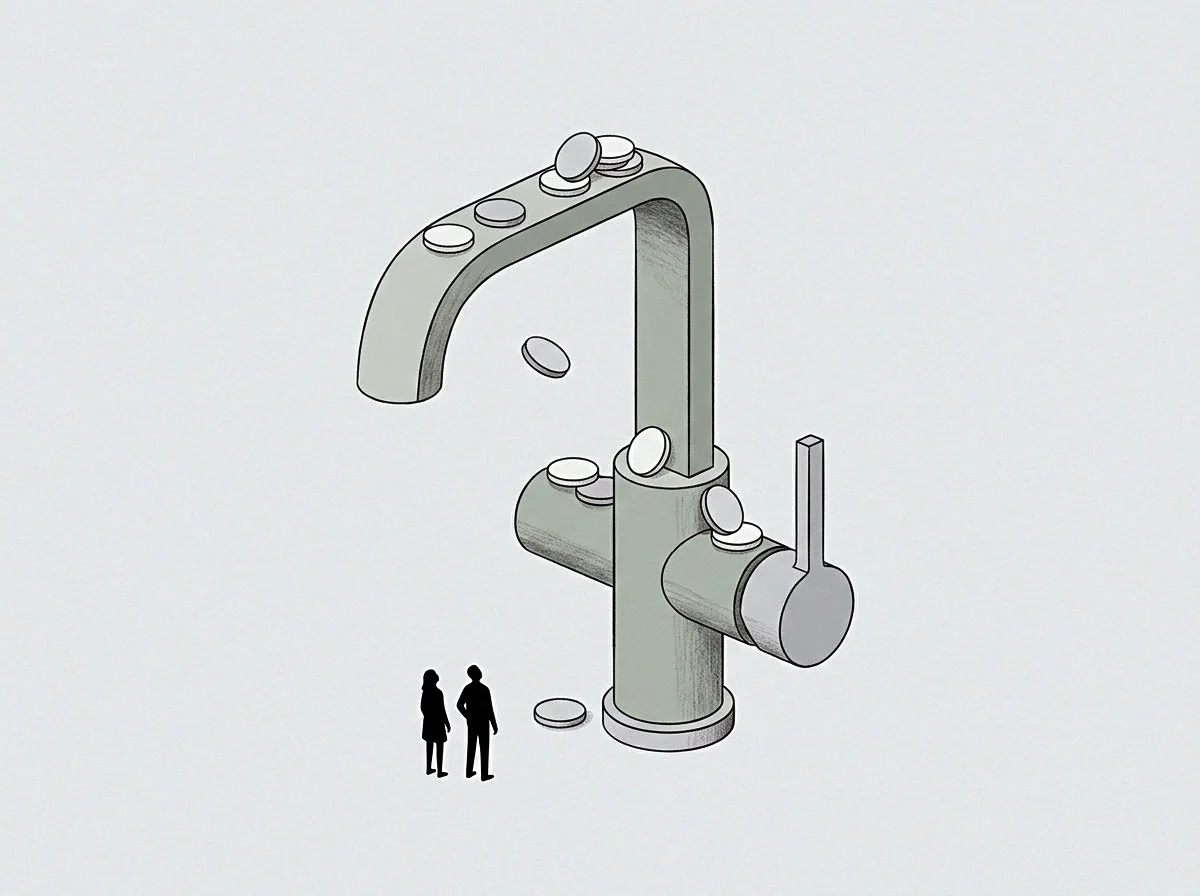
The mechanical room operates under a fixed thermodynamic reality that paper depreciation schedules routinely ignore. A multi-stage chiller or industrial air handling unit carries an engineering life estimate of twenty years on a corporate balance sheet, calculated through linear amortization tables established decades ago. Inside the physical enclosure, continuous environmental sensors track enthalpy, acoustic harmonics, static pressure drops, and thermal flux across five-minute logging intervals.
These readings reveal operational stress that never correlates smoothly with calendar months. An operator who tracks these feeds watches operating baselines migrate outward under unseasonable wet-bulb spikes or unmitigated particulate loads, recording rapid component fatigue long before any annual physical review takes place.
A physical asset degrades in direct proportion to cumulative thermodynamic stress rather than the passage of calendar quarters.
The primary friction in capital asset stewardship sits between static debt structures and variable physical decay. Traditional refinancing arrangements evaluate equipment health through point-in-time visual walk-throughs and manufacturer nameplate runtimes. When operating environments alter, whether through shifts in ambient microclimate or internal load profiles, the continuous sensor baseline drifts.
The true lifecycle of heat exchangers, variable frequency drives, and compressor seals contracts or expands dynamically. A facility team recording these streaming metrics generates a high-resolution delta: the difference between projected degradation rates and observed strain across specified operating windows. Refinancing packages that incorporate this delta convert physical telemetry into adjustable reserve obligations, replacing static assumptions with measured mechanical consumption.
Lenders and asset owners historically treated physical plant telemetry as operational maintenance data rather than underwriting collateral. Connecting real-time vibration signatures, refrigerant subcooling deltas, and ambient moisture ingress directly to lifecycle accounting changes the financing balance. Dynamic telemetry determines whether a debt facility requires increased capital expenditure sinking fund contributions or permits debt service coverage ratio flexibility based on asset longevity.
Equipment operating within optimal environmental tolerances preserves core metallurgy and electrical windings, justifying extended amortization horizons and reduced loan margins during debt syndication.
The tenant assumes the air conditioning functions because the thermostat maintains seventy-two degrees, indifferent to the compressor running at ninety-eight percent capacity against a fouled condenser coil.

Strain
Thermal and Mechanical Baseline Deviations
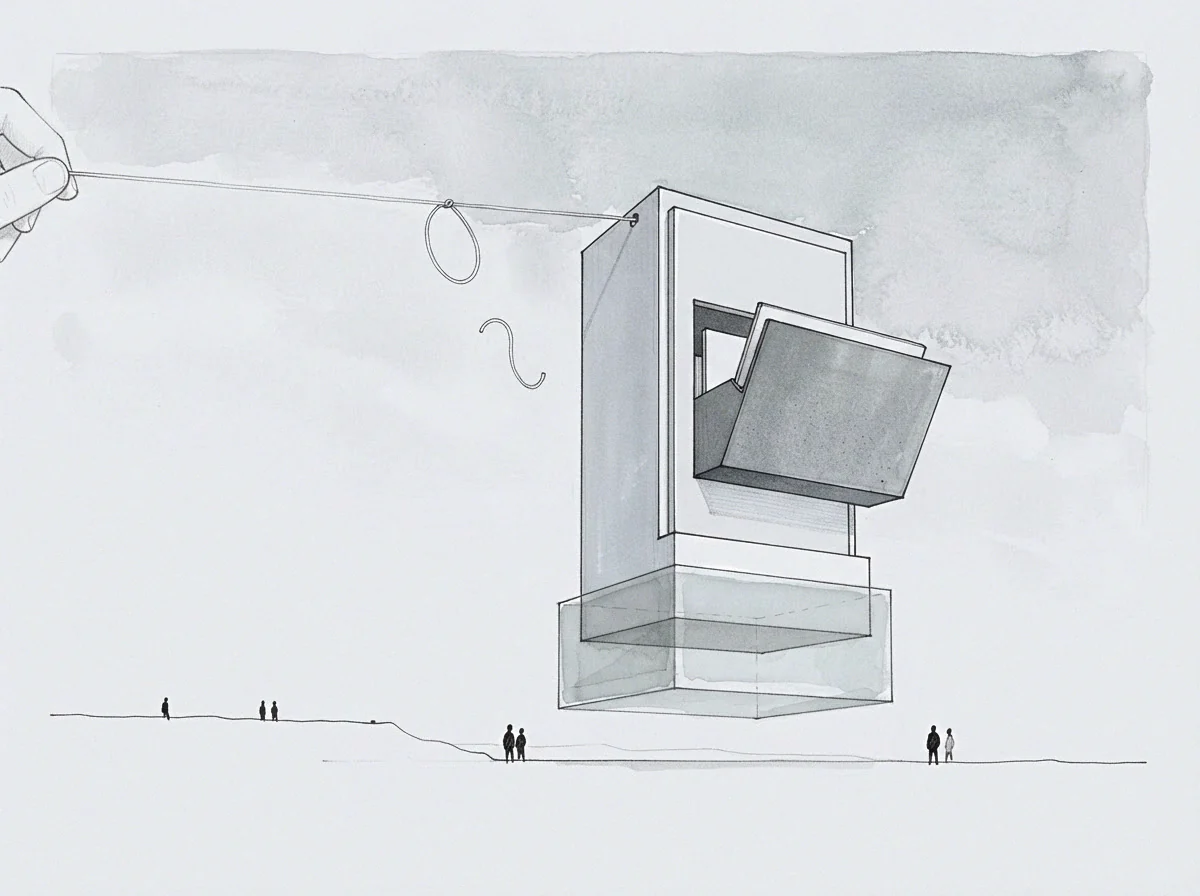
Physical plant assets absorb ambient fluctuations through continuous thermodynamic exchange. High-precision sensor arrays placed along refrigerant suction lines, motor housings, and heat recovery wheels quantify that exposure by calculating instantaneous departures from factory tolerances. The fundamental measurement rests on three continuous inputs:
- Enthalpy variance logs calculate the true cooling load imposed on mechanical compressors by tracking wet-bulb temperature differentials against target air volume delivery across humid operational cycles.
- Acoustic spectral harmonics identify bearing race pitting and impeller cavitation thousands of operating hours before thermal runaway triggers mechanical trip switches.
- Static differential pressure establishes the exact rate of particulate loading across filtration media, quantifying the parasitic fan horsepower consumed to overcome degraded airflow geometry.
When an asset operates outside designed environmental bounds, its useful economic life shortens along a non-linear path. A five-degree Celsius elevation in condenser water baseline temperature elevates compressor discharge pressures, increasing mechanical wear on reciprocating assemblies by fifteen to twenty-eight percent over an annual cycle. This variance constitutes the primary environmental delta.
Static financial reporting treats the compressor as having consumed exactly five percent of its twenty-year lifecycle over twelve months. The physical sensor records an operational equivalent of twenty-six months of accelerated wear across that identical calendar span.
Uncorrected high-frequency vibration deltas compound bearing failure probabilities across every operational hour outside calibrated harmonic thresholds.
Empirical Decay Profiles in Real Operations
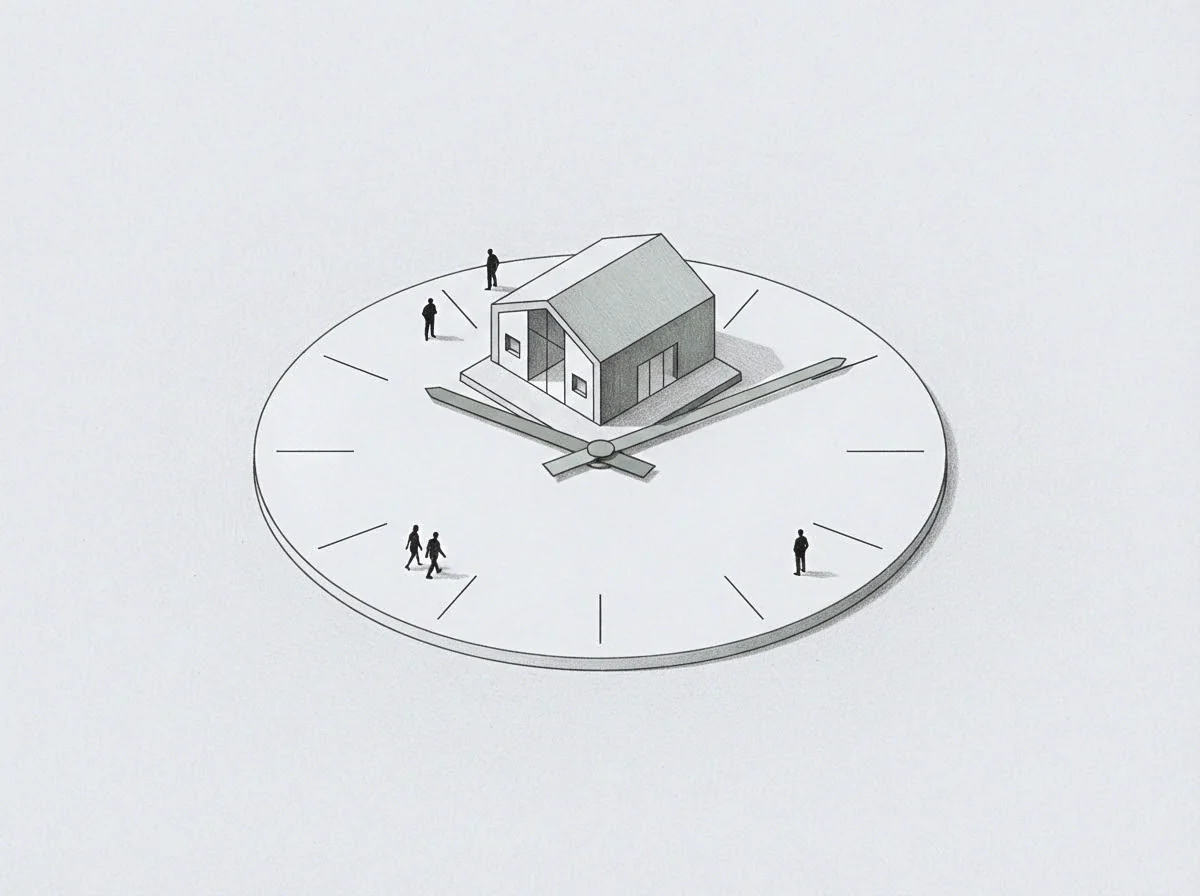
The disparity between accounting conventions and actual physical survivability appears immediately when evaluating assets under distinct environmental envelopes. The following data presents three identical three-hundred-ton centrifugal chilling plants deployed across distinct industrial environments, tracking the variance between straight-line depreciation and empirical asset consumption over a thirty-six-month telemetry window.
| Installation Environment | Mean Baseline Departure | Sensory Strain Index | Standard Amortization | Telemetry Adjusted Life | Refinancing Capex Variance |
|---|---|---|---|---|---|
| Controlled Data Facility | +0.4 C Condenser Delta | 0.94 Nominal | 15.0 Percent | 21.2 Years Projected | -$42,000 Reserve Adjustment |
| Coastal Commercial Office | +2.8 C Condenser Delta | 1.38 Accelerated | 15.0 Percent | 14.1 Years Projected | +$118,000 Reserve Adjustment |
| Heavy Manufacturing Plant | +6.1 C Condenser Delta | 2.14 Severe | 15.0 Percent | 8.8 Years Projected | +$365,000 Reserve Adjustment |
Physical telemetry logs remove ambiguity regarding equipment wear. In the heavy manufacturing installation, high particulate concentration and sulfur dioxide deltas eroded condenser tubing walls at zero point three millimeters annually. The straight-line book value recorded the chiller at eighty-five percent of original cost at month thirty-six.
A forensic metallurgic sensor read tube wall thinning at forty-one percent below nominal structural safety thresholds, rendering the asset near terminal salvage value. Underwriting a refinancing facility against the unadjusted book figure creates an uncollateralized exposure of several hundred thousand dollars on that single mechanical line item.
The owner must surrender fifty basis points of interest rate discount whenever annual sensor logs show operating hours spent outside specified envelope boundaries.
Covenant
Dynamic Underwriting Mechanisms
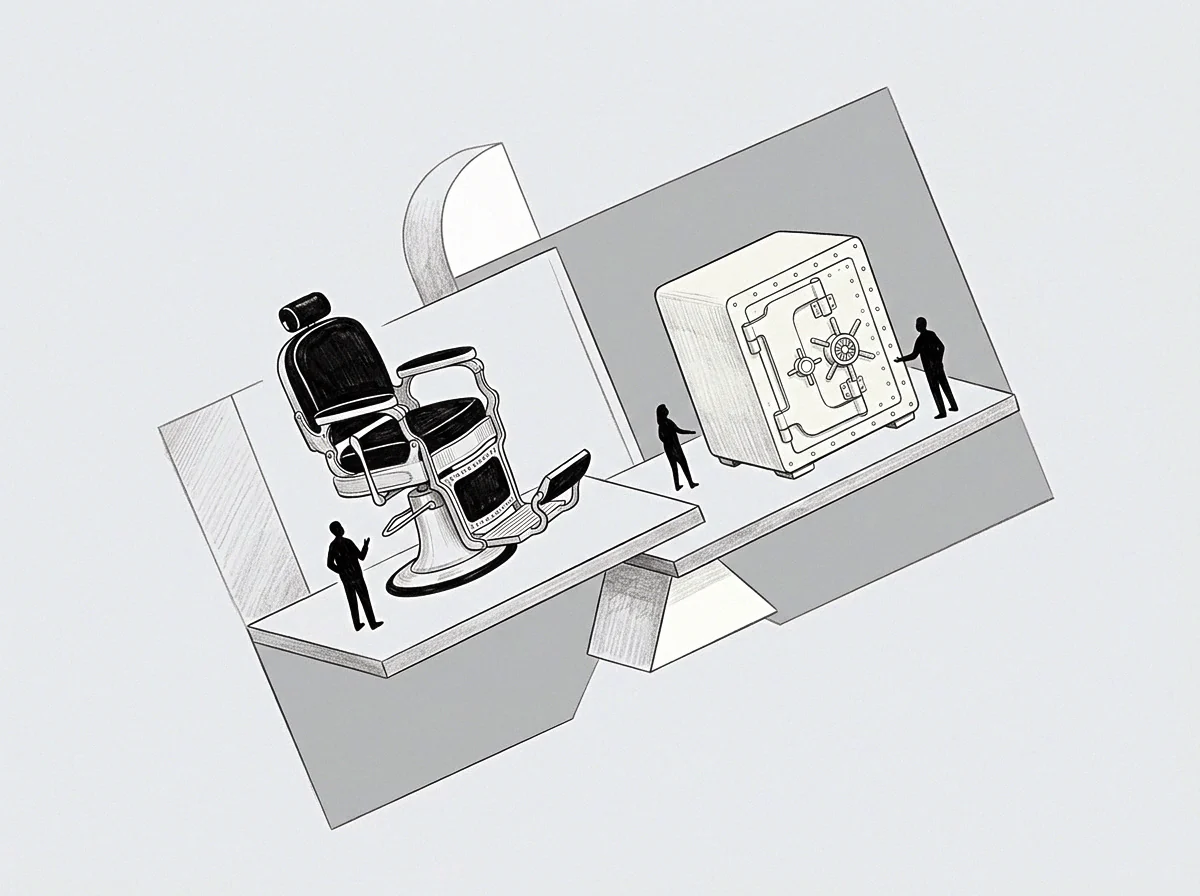
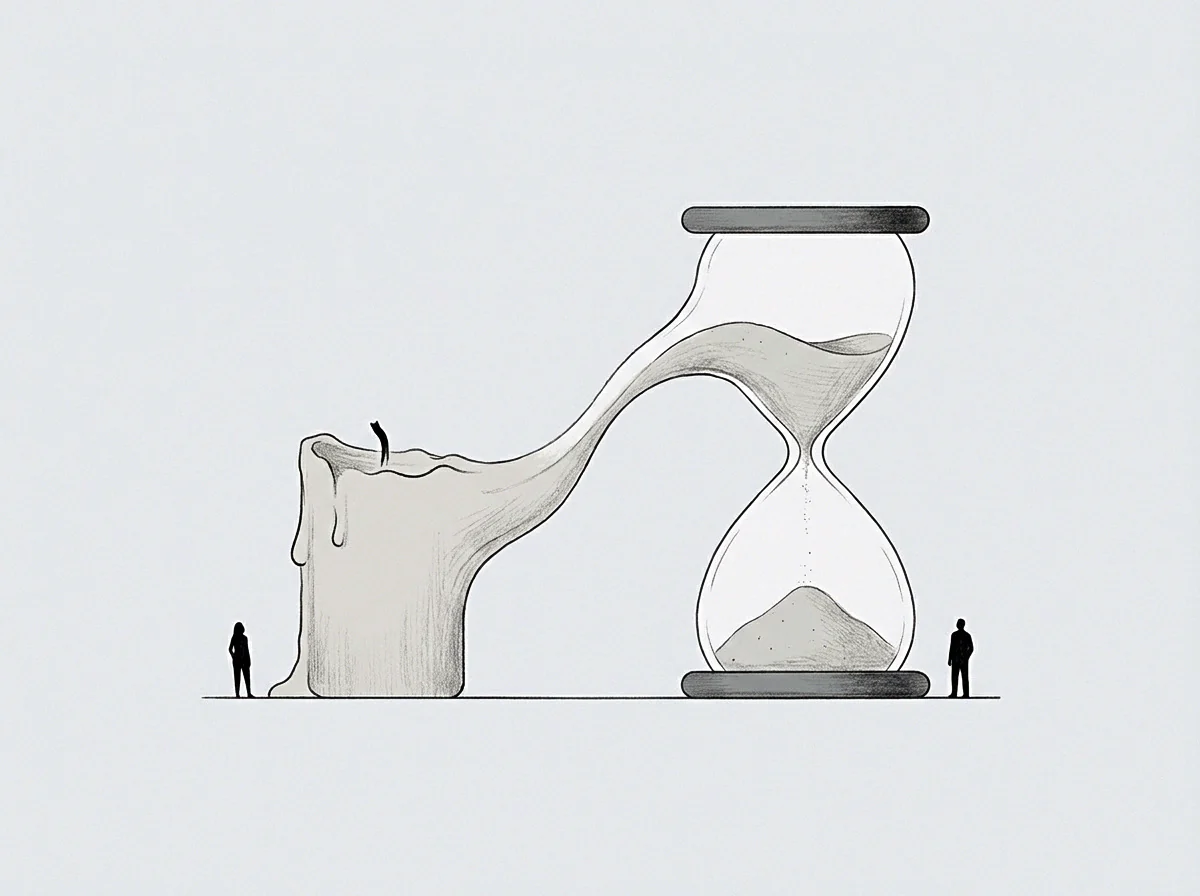
Debt syndicates and green infrastructure funds demand covenants that tie coupon pricing to operational durability. When continuous environmental telemetry feeds directly into debt compliance architecture, loan agreements move away from static annual audits toward programmatic covenant validation. The continuous delta serves as an immutable verification vector for debt governance.
If an asset owner runs HVAC, turbine, or pumping infrastructure within tightly constrained heat and vibration bounds, the physical degradation rate falls below initial underwriting assumptions. The capital facility responds by unlocking debt service reserve release mechanisms.
Consider an asset management firm holding an eighty-million-dollar portfolio of cold storage logistics properties seeking recapitalization through a senior secured floating-rate facility. In an arrangement structured around continuous telemetry, the loan documentation incorporates environmental data feeds from evaporator coils, thermal barrier sensors, and compressor vibration nodes into dynamic asset health indices. If the sixty-day rolling average of compressor temperature deltas remains within zero point eight standard deviations of factory calibration, the debt pricing grid contracts by twelve point five basis points.
If chronic thermal bridging elevates runtime and spikes discharge temperatures beyond established tolerances, the borrowing base calculation automatically depresses collateral eligibility, requiring the immediate escrow of replacement capital.
A borrower who maintains verified operating baselines captures lower debt service costs while preserving residual asset equity.
Structured finance teams establish dynamic asset replacement covenants by defining clear telemetry trigger states:
- Baseline calibration validation requires forty-five consecutive operating days of baseline metric capture across all primary mechanical components before initial loan closing proceeds disburse.
- Operating tolerance containment enforces automatic capital expenditure reserve sweeping whenever environmental stress deltas exceed agreed mechanical strain limits for fifteen cumulative operating cycles.
- Accelerated amortization indexing shortens debt repayment maturities by adjusting terminal principal bullets to match the revised physical useful life revealed by telemetry degradation profiles.
The primary friction in closing dynamic covenant facilities centers on data governance and physical telemetry spoofing. Institutional lenders question whether local sensor calibrations remain stable across years of harsh industrial operation. Sensor drift, communication loss, and local hardware calibration failure can mimic benign operating conditions while physical assets deteriorate rapidly.
Credit committees resolve this dispute by requiring cryptographically signed edge compute nodes with dual-redundant sensor probes, verifying that recorded deltas originate from verified hardware components subject to automated analog-to-digital loop checks.
The continuous data stream converts physical equipment wear into an explicit balance sheet liability, penalizing deferred facility maintenance across every basis point of debt service.

Horizon
Lifecycle accounting under dynamic sensor inputs demands the continuous recalculation of salvage horizons, component swap windows, and straight-line depreciation schedules. Modern asset accounting standards permit functional depreciation adjustments when physical usage patterns depart measurably from original engineering assumptions. An asset operator who pairs building automation telemetry with enterprise resource ledgers replaces static quarterly depreciation journals with variable asset consumption entries.
This integration aligns financial statement depreciation with real thermodynamic depletion, preventing catastrophic book-value write-downs during terminal recapitalization events.
When an air handling unit motor runs in an environment with high ambient moisture and unmitigated salt aerosols, electrical insulation resistance deteriorates long before mechanical bearing failure occurs. Dielectric sensor deltas track megohm drop-offs across months of continuous operation. Financial controllers observing this verified decline adjust the component’s remaining useful life downward on the corporate balance sheet.
Rather than waiting for complete winding burnout to write off remaining asset value, accounting entries accelerate straight-line depreciation across a revised twenty-four-month runway. Capital planning software simultaneously initiates procurement tenders for rewinding or motor replacement, avoiding the premium spot pricing dictated by emergency catastrophic equipment replacements.
The strategic value of this telemetry loop becomes evident during mid-life asset recapitalizations or sale-leaseback transactions. Private equity sponsors acquiring industrial real estate routinely discount portfolio valuations by fifteen to twenty percent to account for unquantified deferred maintenance reserves. A seller who presents four years of continuous environmental delta records proving consistent operation within optimal thermodynamic thresholds eliminates that underwriting discount.
Verified telemetry proves the assets possess greater remaining useful operating hours than standard actuarial tables predict, enabling higher debt sizing and aggressive equity multiples during recapitalization negotiations.
Neglecting continuous sensor deltas during capital budgeting leaves an enterprise vulnerable to sudden impairment charges when unmonitored equipment reaches premature structural failure.
Ledger
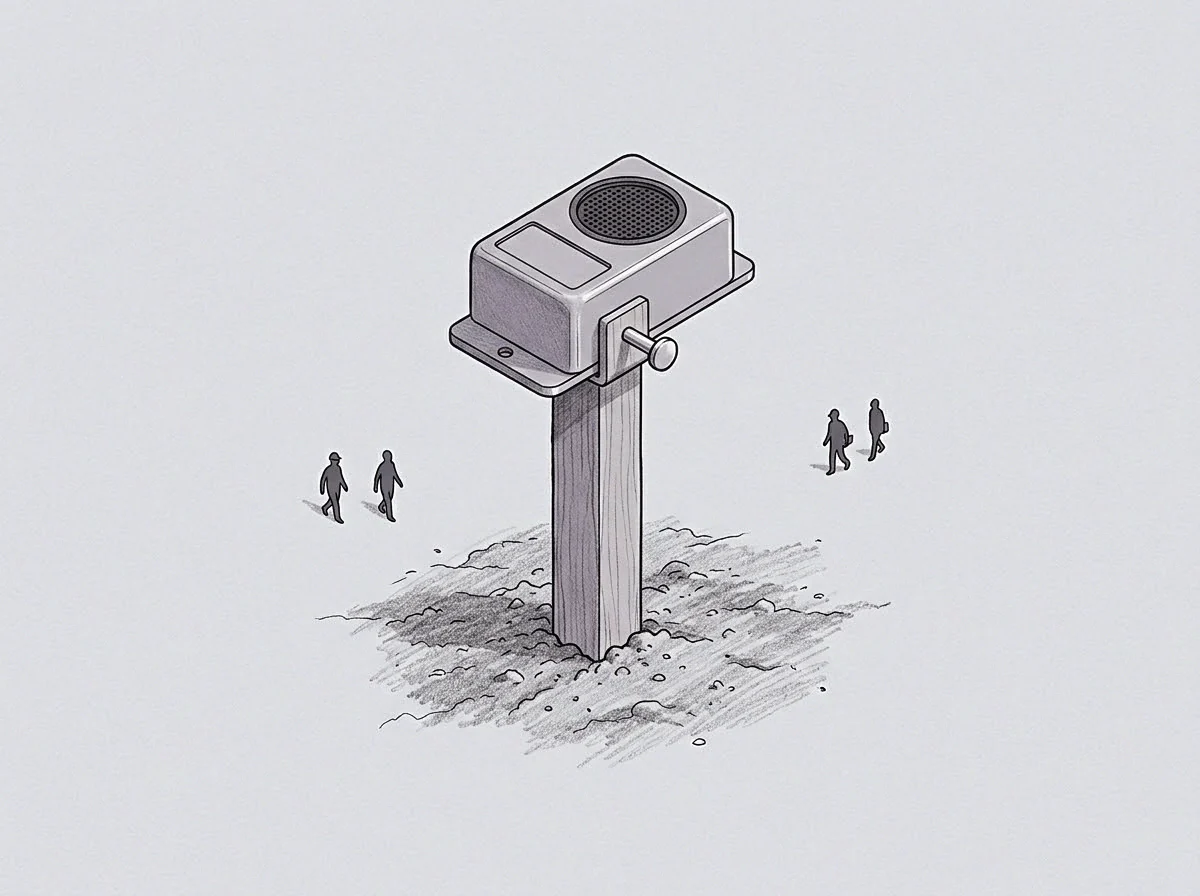
Integrating mechanical reality into balance sheet operations shifts corporate governance from speculative budgeting to closed-loop capital stewardship. The financial ledger mirrors physical wear only when the data pipelines linking equipment microcontrollers to treasury accounts remain continuous, authenticated, and immutable. Facility directors, chief financial officers, and institutional debt trustees operate within a unified feedback loop, wherein physical operating decisions made on the factory or plant floor translate directly into capital pricing variations.
The organizational friction generated by this integration centers on operational incentives. Plant managers incentivized purely on short-term production quotas frequently drive equipment beyond designed thermodynamic limits to achieve immediate output milestones. In a traditional corporate structure, the resulting physical degradation remains hidden within standard straight-line depreciation schedules until catastrophic component failure occurs years later.
Under a telemetry-integrated capital framework, running a compressor bank at elevated discharge temperatures immediately registers as an accelerated capital consumption charge on the facility ledger, driving up debt reserve allocations and reducing local division net operating earnings in the current reporting period.
The capital markets reward operational precision over mechanical neglect. Dynamic environmental telemetry transforms physical real estate and industrial machinery from opaque, depreciating infrastructure into transparent, quantifiable stores of productive value. Refinancing rounds, mezzanine debt placement, and secondary market syndications increasingly clear at terms set by continuous operational telemetry rather than historic cost conventions.
Capital asset stewardship resolves into a continuous measurement problem: tracking physical baselines, reading operating deltas, and governing capital allocation according to the immutable laws of thermodynamic consumption.
Whether institutional debt underwriting will fully transition to automated, programmatic sensor-driven spread adjustments across broad real estate classes remains determined by the speed of sensor standardization across competing equipment manufacturers.