
Structural Interface Boundaries for Preserving Cognitive Execution Vectors Across Engineering Operations
Structural interface boundaries decouple operational interruptions from engineering teams, preserving deep cognitive execution vectors and reducing context reload costs.
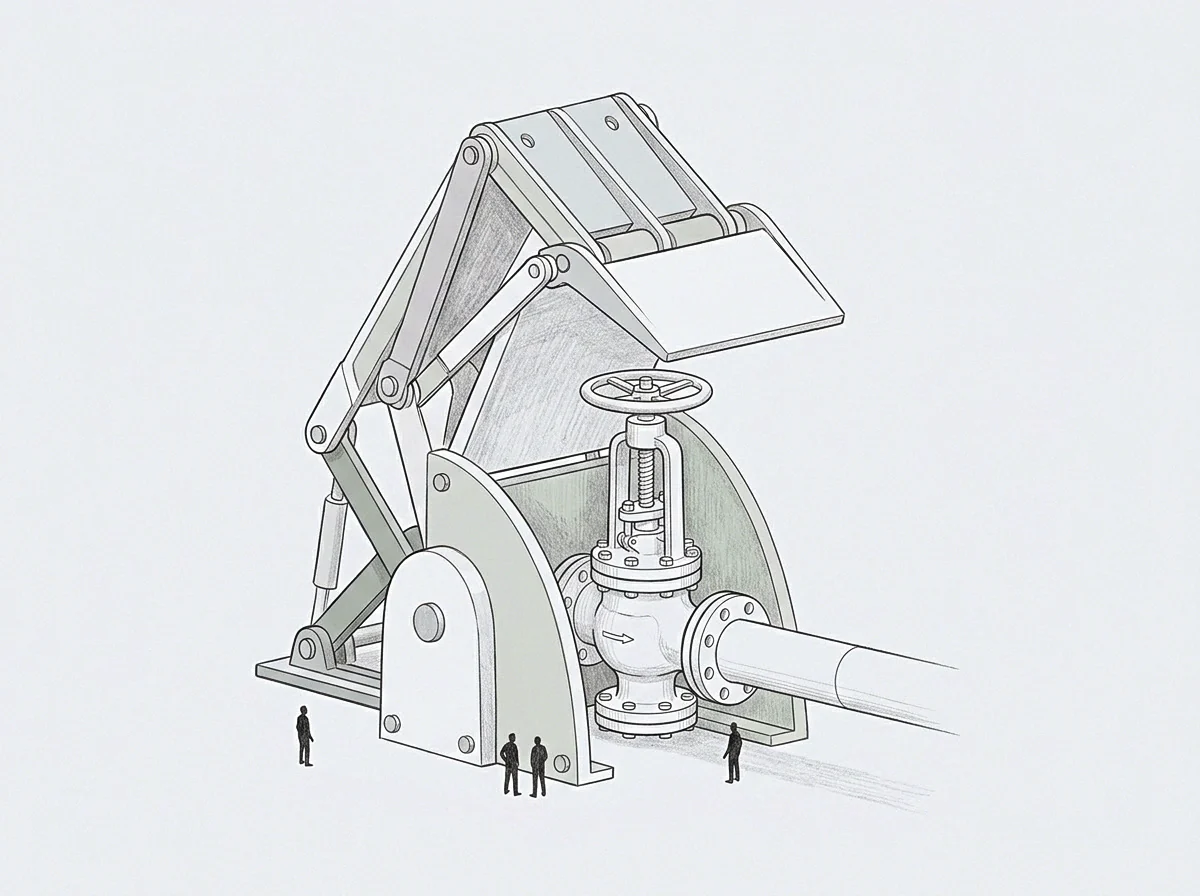
Seam
Engineering throughput breaks along a boundary that system architecture rarely accounts for. An operational request arrives in seconds—as a message, a ticket, or an urgent production question—while conceptual engineering requires holding complex logic across thousands of mental registers. The interruption takes only a moment, but it immediately clears the engineer’s working memory.

Queue Latency Displaced Into Cognitive State
Software architectures routinely decouple services with message queues, shielding execution layers from sudden spikes in traffic. Team workflows, however, often push operational noise straight to engineers while they are holding intricate mental models of system state.
When operational requests penetrate technical development partitions directly, context reload latency consumes the execution vector before code verification begins.
To an outside observer, the disturbance looks negligible—answering a quick question takes fifteen seconds. Inside the engineer’s mind, however, the working memory tracking branch logic, pointer arithmetic, and data invariants drops instantly. Rebuilding that context requires thirty to forty-five minutes of focused effort.
Establishing an explicit boundary that routes incident triage through an automated buffer fundamentally alters how time functions across an engineering schedule.
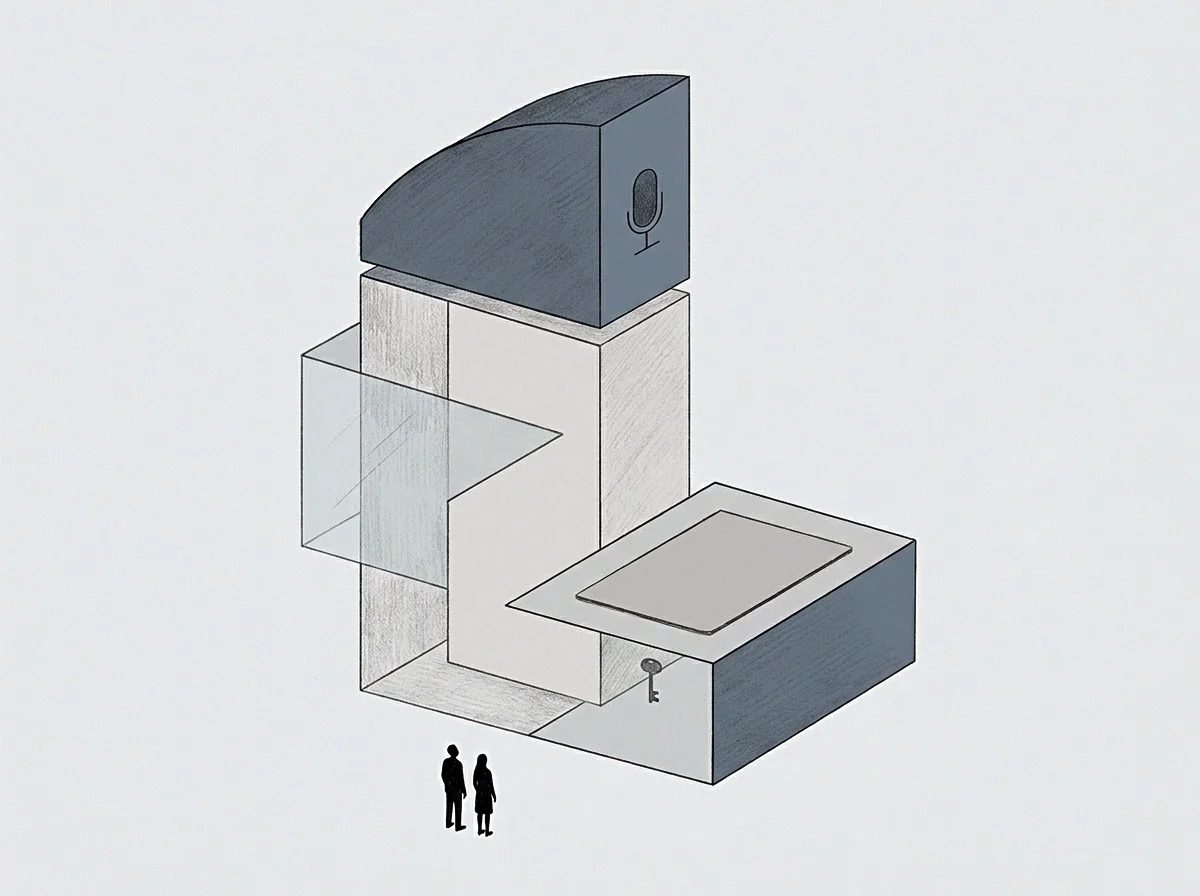
Wall
Hardware designs place physical distance between high-heat processors and clock-sensitive memory pathways. Engineering organizations require the same structural separation between incident response and long-term architectural work, enforced by strict protocol rather than relying on personal discipline or goodwill.
Structural Isolation of Asynchronous Inputs
A defensive boundary channels all operational intake through a deterministic queue governed by clear entry rules. Incoming requests land on an asynchronous buffer where an operational sentinel evaluates severity without interrupting engineers engaged in scheduled architectural work.

Whose Vector Absorbs the Unstated Operational Drag?
Every untriaged message imposes an uncompensated context switch on whichever engineer happens to see it. Without a defined intake process, senior technical leads absorb most of this friction, as junior team members naturally pass ambiguous system issues to whoever holds the most domain history.
| Boundary Structure | Context Eviction Rate | Incident Latency | Cognitive Vector Preservation |
|---|---|---|---|
| Open Real-Time Chat Channels | High: six to ten interruptions per engineer daily | Zero to five minutes response interval | Minimal: fragmented execution across short bursts |
| Single Rotating Triage Shield | Low: zero interruptions for non-shielded personnel | Ten to thirty minutes controlled response interval | Complete: uninterrupted single-thread technical execution |
| Batch Operational Intake Windows | Moderate: predictable interruption at set points | Two to four hours intake cadence | Bounded: preserved sequential focus during lock intervals |
Leaving operational queries unshielded forces senior architects to spend their most productive hours answering routine setup questions. As a result, core system design gets pushed into late-night shifts where fatigue increases error rates.
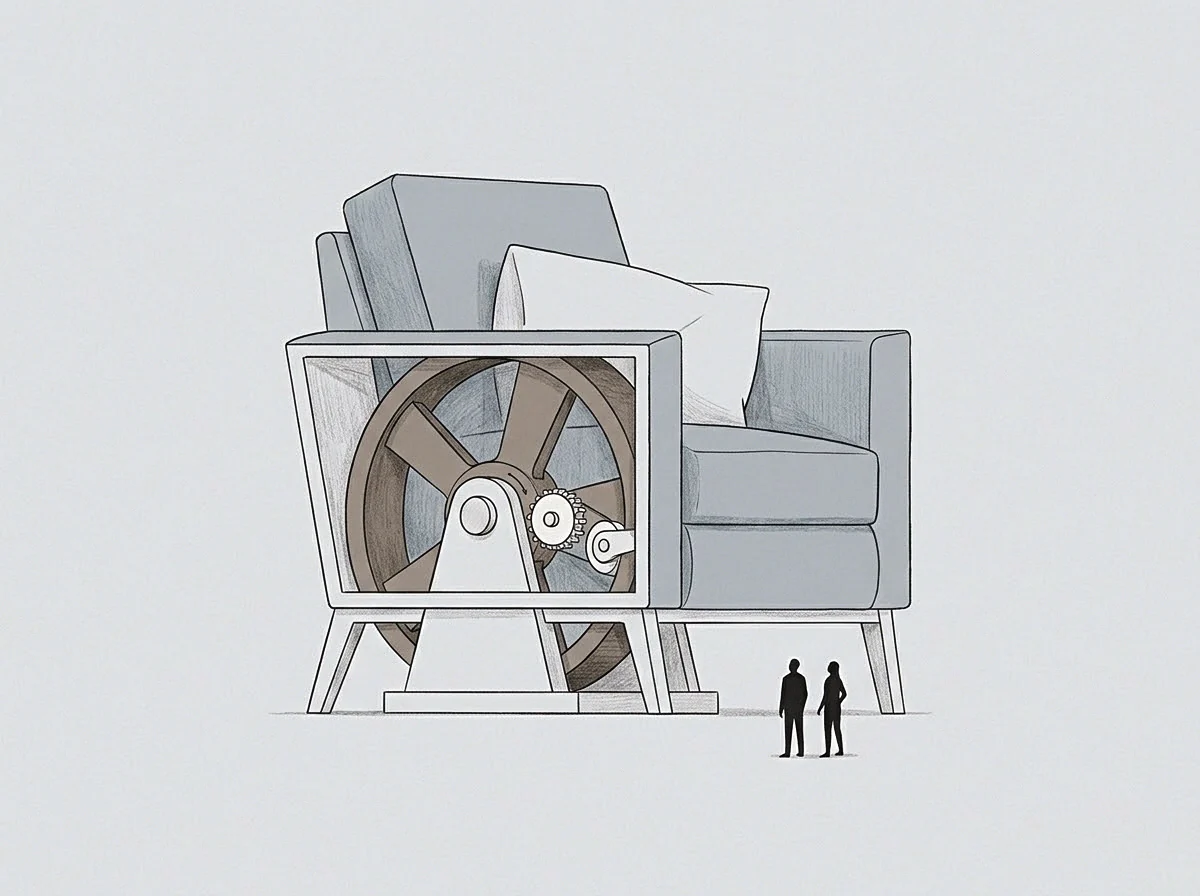
Load
The cost of a context switch scales exponentially with the complexity of the problem. A developer tracing a race condition across asynchronous threads must hold variable lifetimes, lock ordering, and latency assumptions in mind all at once.
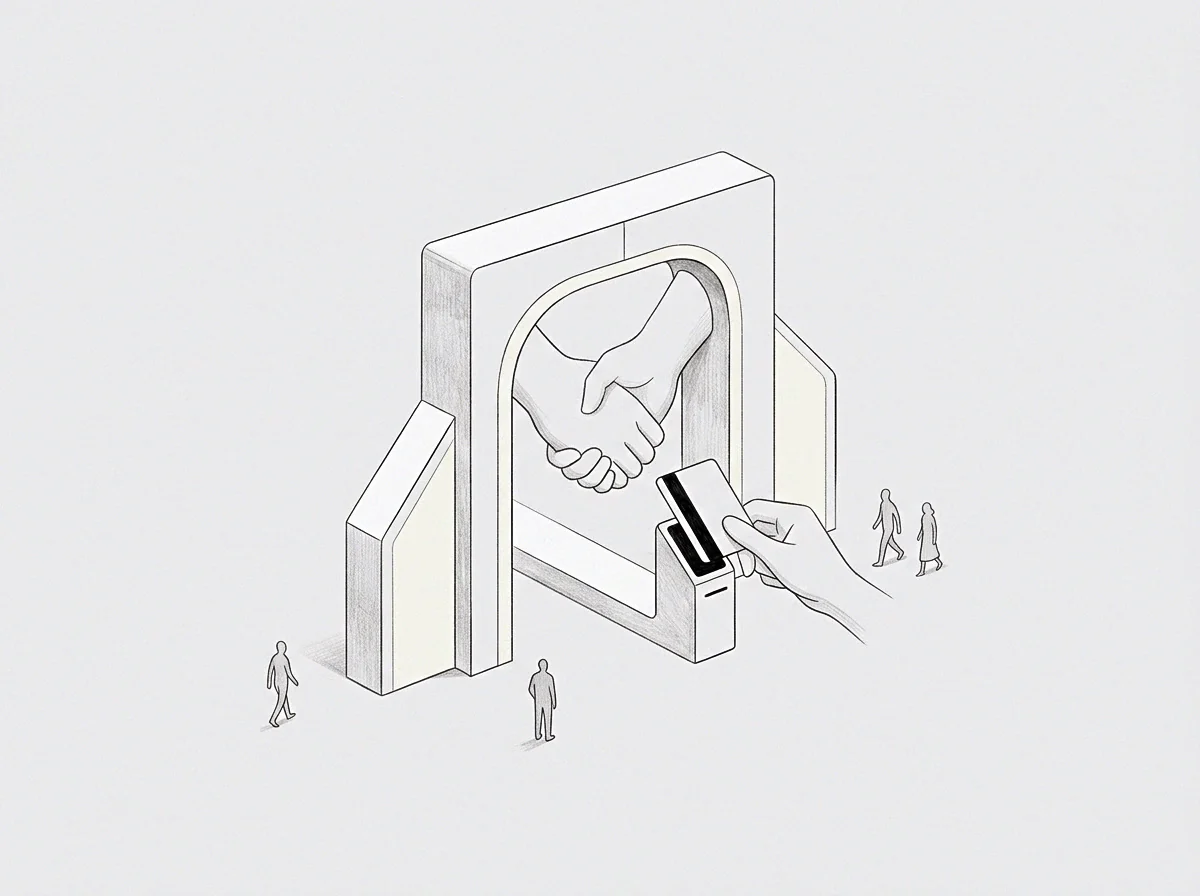
Context Eviction and Memory Reconstitution
When an operational request breaks that focus, the mental working set is cleared entirely. Rebuilding it later requires re-evaluating every assumption, cross-checking documentation, and running basic sanity checks before active problem-solving can resume, a recovery process that consumes two hours of focused attention.
A stated interface contract that isolates technical personnel from unplanned intake guarantees unbroken reasoning spans across high-risk releases.
Decades ago, telemetry stations protected magnetic tape drives by isolating read heads from the mechanical vibration of cooling fans. Human memory tackling distributed code paths displays the same sensitivity to digital interruptions.
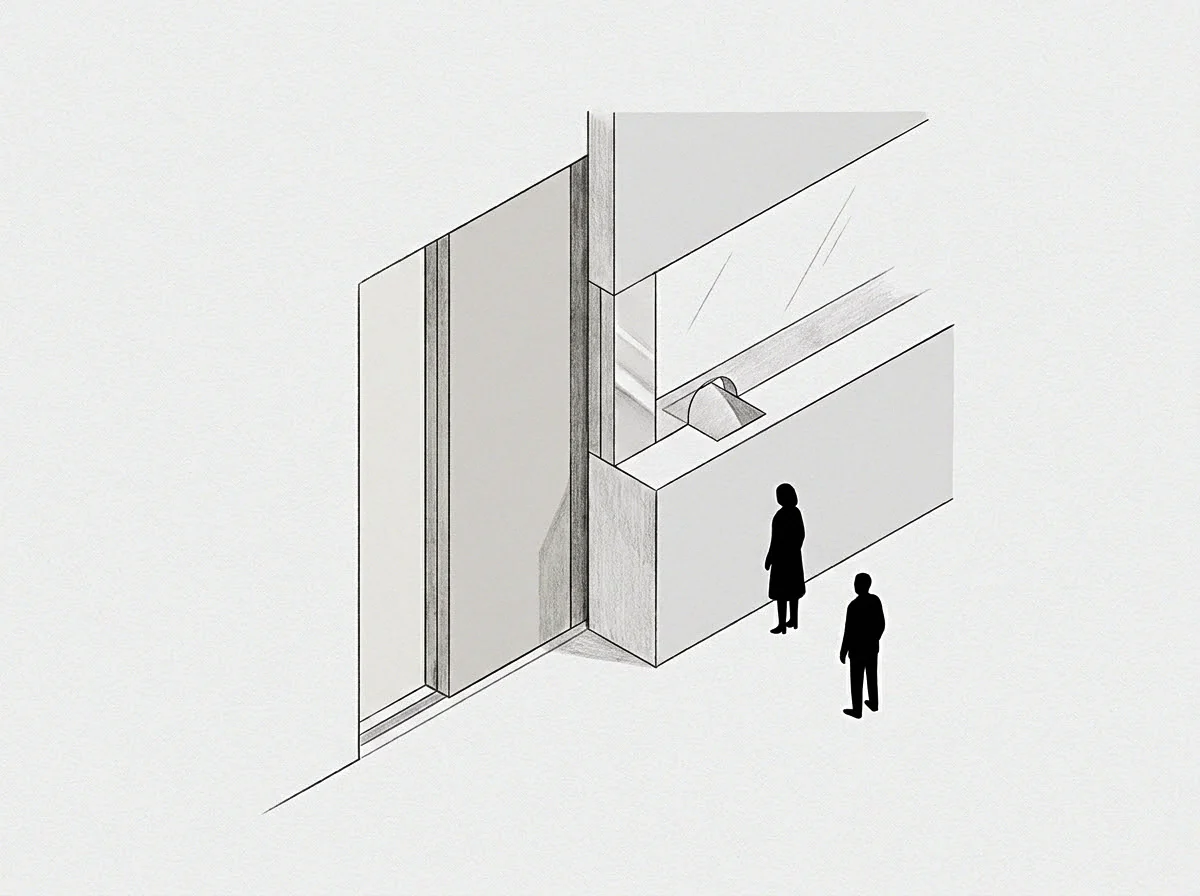
Decomposition of Context Switch Expenditure
Consider a team of five systems programmers executing a consensus engine migration across twelve weeks. If each developer faces four pings a day, the team suffers twenty interruptions per shift. At forty minutes of recovery time per event, the organization loses over thirteen engineering hours every day solely to context switching.
Observations show four distinct failure points during context recovery:
- Reconstituted State Drift introduces silent algorithmic defects when engineers incorrectly rebuild uncommitted local variables from memory.
- Phantom Dependency Injection occurs when interruptions force hasty code abstractions to resolve an immediate request.
- Truncated Verification Depth reduces the thoroughness of integration testing as cognitive energy runs low.
- Attentional Reserve Exhaustion leaves engineers unable to trace complex branch logic by the end of the day.
Untracked context switches steadily erode engineering capacity unless an operational boundary holds against drift.
Teams focused on complex execution prioritize shielding focus over immediate operational responsiveness.
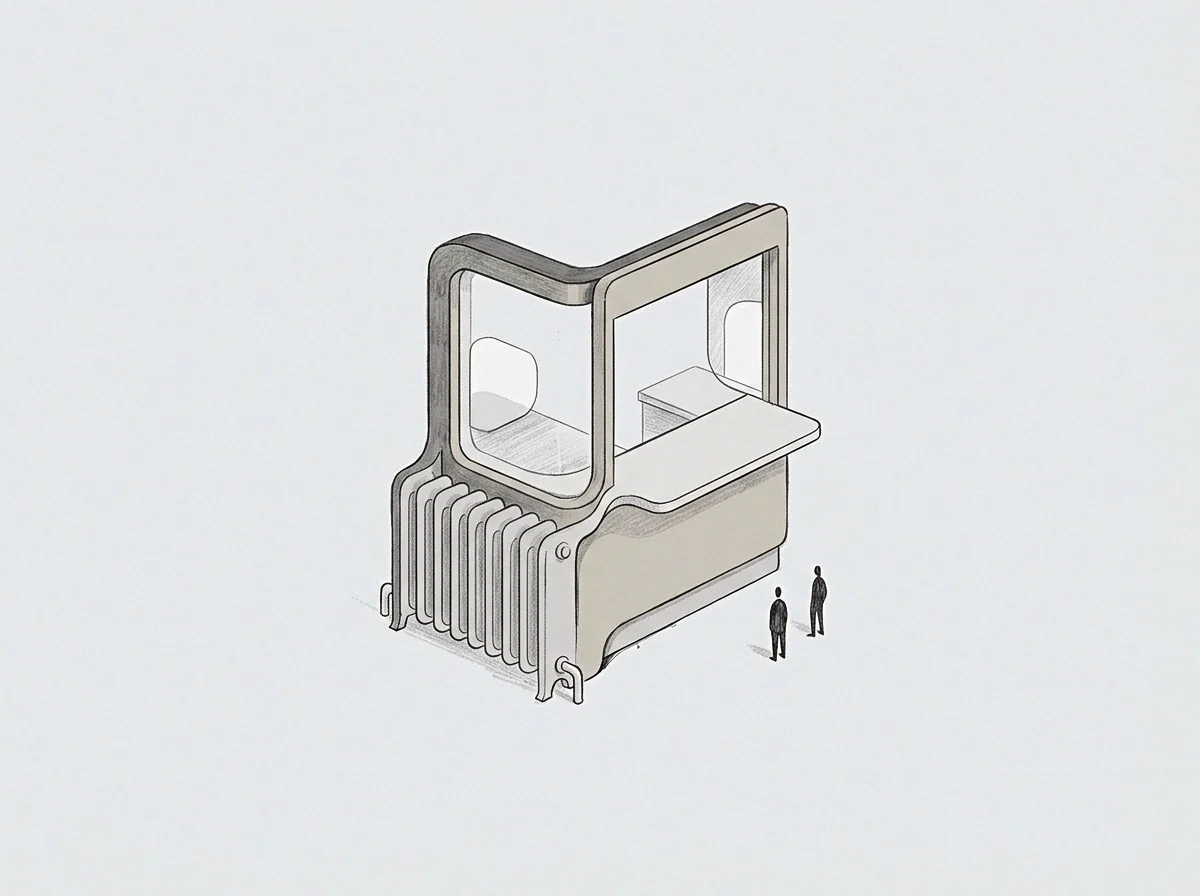
Spill
Without containment, operational triage spreads laterally across teams through unstructured tickets and fragmented support threads. A ticket submitted through customer success often moves to product management, shifts into application development, and lands on infrastructure engineering without basic context.
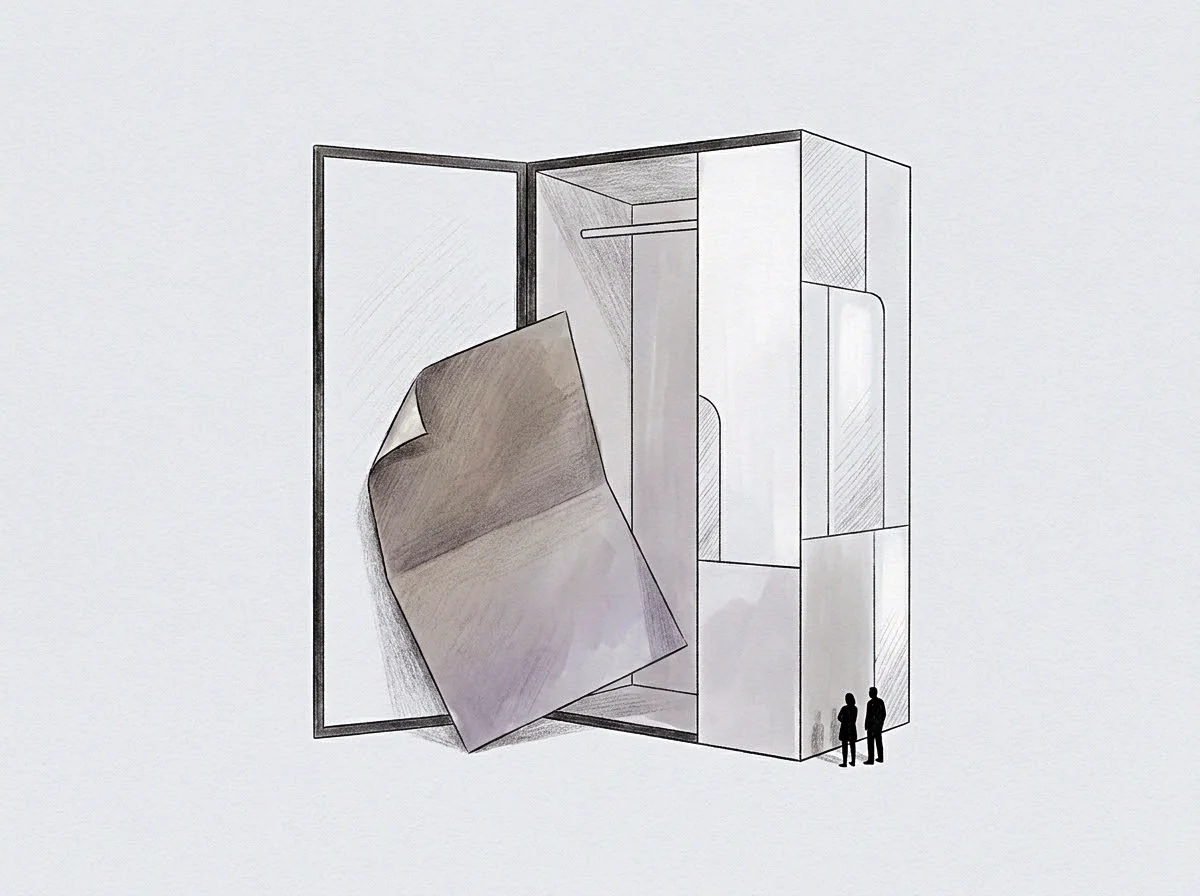
The Spread of Reactive Operational Triage
An incomplete ticket forces three specialists to stop work to decipher missing error payloads. The disruption spreads like an unisolated system fault, replacing planned sprint work with reactive cycles where immediate noise overrides core development.
Operational interrupts without structured interface envelopes consume architectural bandwidth until release velocity stalls permanently.
This spillover creates organizational friction and code quality degradation:
- Unfiltered Incident Escalation routes unstructured error reports directly to infrastructure developers without reproduction steps.
- Ambiguous Ownership Handoffs cause duplicate triage work when multiple teams investigate the same failure concurrently.
- Immediate Response Expectation forces senior contributors to keep real-time alert channels open at the cost of deep focus.
Engineering responses to urgent queries can run slow, leaving live production customers waiting for resolution.
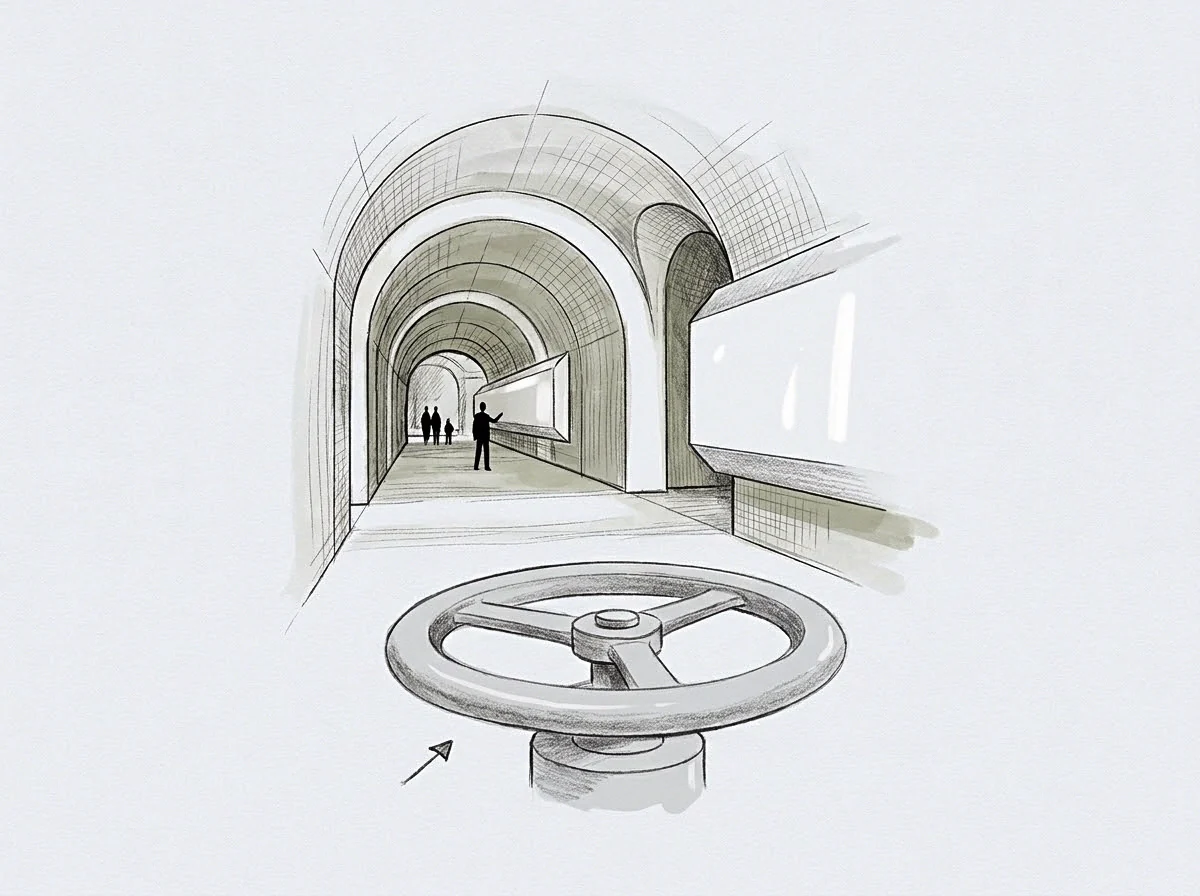
Pact
Sustaining engineering pace requires a clear boundary between operational response and architectural work. Operators set explicit service levels for triage, assigning designated team members to handle inbound requests for set shifts while shielding the rest of the team behind an operational buffer.

Stated Terms for Operational Boundary Enforcement
Under this approach, operational requests must provide reproducible stack traces, user parameters, and severity ratings before reaching core developers. Anything lacking required metadata returns automatically to the intake queue for remediation.
An interface protocol without enforcement mechanisms degenerates into continuous interruption within two engineering cycles.
The operating agreement defines intake windows, rotation schedules, and clear boundaries for bug triage. This structure protects focus, allowing senior developers to design complex architecture without constant interruption.
Maintaining this protective barrier when an emergency bypasses established rules remains an ongoing challenge for engineering organizations.