
Short-Term Task Recovery Mechanics in Interrupted Software Engineering Teams
Software task recovery requires active cognitive re-execution of suspended mental state, consuming fifteen to twenty-five minutes per technical interruption.
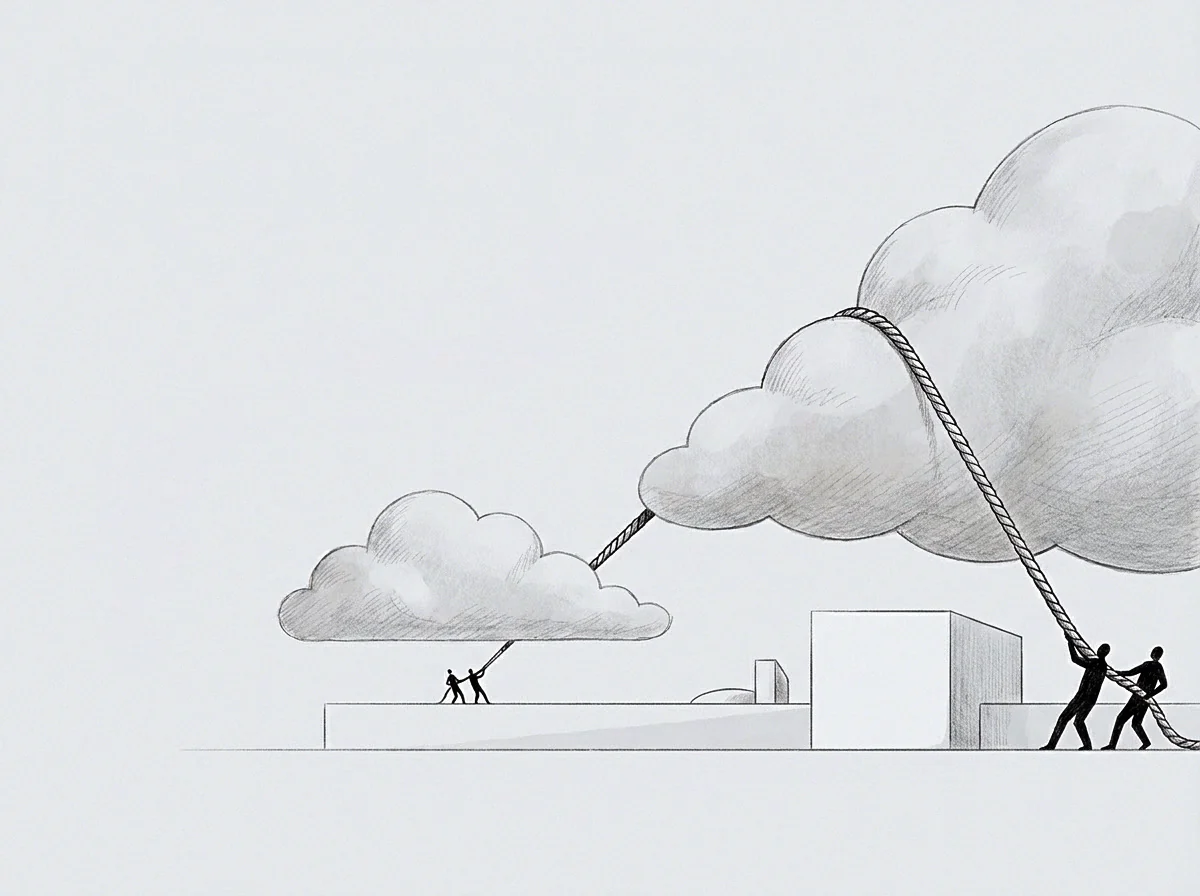
Clock
An engineer holding three uncommitted pointer mutations in working memory gets a message at two in the afternoon. They look up, answer a question about an invoice deployment, and turn back to the editor forty seconds later. The three pointers are gone.
In their place are a syntax error in an open buffer and an empty terminal prompt. The engineer never left the desk, and the terminal stayed open, yet thirty minutes pass before the code runs again.
Leaving a task and getting back into it involve different memory processes. Transient working memory, which holds active variables, branch logic, and call hierarchies, dissolves within seconds when focus shifts to an incoming alert. The brief pause between receiving a notification and stopping work is the interruption lag.
In those few seconds, memory attempts to save current state, but the pressure of incoming requests often cuts that window short, leaving the task unindexed.
Working memory drops uncommitted code state as soon as conversation forces the brain to process text or speech.
Returning to the code brings a resumption lag, the time between touching the keyboard again and fully regaining context. Field research comparing continuous and interrupted development shows an average recovery time of fifteen to twenty-five minutes for complex system tasks. Rebuilding that context requires reading stack traces, scanning modified files, tracing variable states, and stepping through logic paths to pinpoint where work stopped.
That reconstruction consumes significant mental energy.
Founders measuring team output often mistake these lost intervals for slacking or poor discipline. The calendar shows seven hours between morning standup and evening check-ins, while pull request logs show only three small commits. The missing time disappeared into context switching.
Rebuilding mental context is work: a developer who experiences five interruptions in an eight-hour shift spends more than two hours just reconstructing state. The team burns attention without moving projects forward.
If engineering leadership treats recovery time as negligible, teams make up the lost hours by working late or cutting back on pre-deployment testing.

Eviction
Mental models built while programming work like temporary execution trees. An engineer holds variable scopes, edge conditions, race conditions, and library constraints in mind at once. Because human memory cannot save a snapshot of this active structure, a sudden question or direct message forces language processing to take over the same cognitive space, wiping out the cached state.

Decomposition of Recovery Latencies
The work of recovery depends on what stage the task was in when interrupted. Finding your place in a half-written database migration takes far more effort than picking up routine test documentation. The table below outlines how recovery demands differ across common software engineering tasks.
| Task Nature | Displaced Cognitive Structure | Resumption Window | Primary Failure Mode |
|---|---|---|---|
| System Refactoring | Multi-file symbolic dependencies | Twenty to thirty minutes | Broken encapsulation from forgotten constraints |
| Algorithmic Implementation | Intermediate loop state and boundary invariants | Fifteen to twenty-five minutes | Off-by-one errors and unhandled edge predicates |
| Infrastructure Scripting | Remote session state and pipeline configurations | Ten to fifteen minutes | Duplicate command execution and environment drift |
| Interface Styling | Visual hierarchy and layout property cascade | Five to ten minutes | Redundant style declarations and layout regressions |
Resumption lag scales directly with task complexity. Getting back up to speed is not a matter of quick recall; developers spend time running test suites, adding debug prints, reviewing diffs, and checking shell history to reconstruct context. This is active re-computation, meaning the team pays for the original mental model twice: first to build it, and again to recover it.
A brief disruption breaks complex system models just as thoroughly as a long absence.
Faced with frequent interruptions, engineers adopt defensive habits to protect their working memory, though often at the expense of overall code visibility:
- Micro-commit sprawling pushes incomplete code fragments into local branches to hold a marker before responding to a message.
- Batching avoidance happens when an engineer ignores messages all afternoon to keep fragile logic models intact.
- Task fragmentation acceptance occurs when developers avoid deep architecture problems altogether, picking small bug fixes that fit into broken schedules.
Over time, these defensive patterns erode software architecture. Without long, uninterrupted blocks of focus, codebases fill with shallow abstractions. Developers skip deep refactoring because setting up the mental state takes too long to justify across a day broken into twenty-minute fragments.
The cost shows up as fragile architecture, hidden workarounds, and developer fatigue.
When state destruction is constant, engineers eventually stop attempting complex mental models at all.
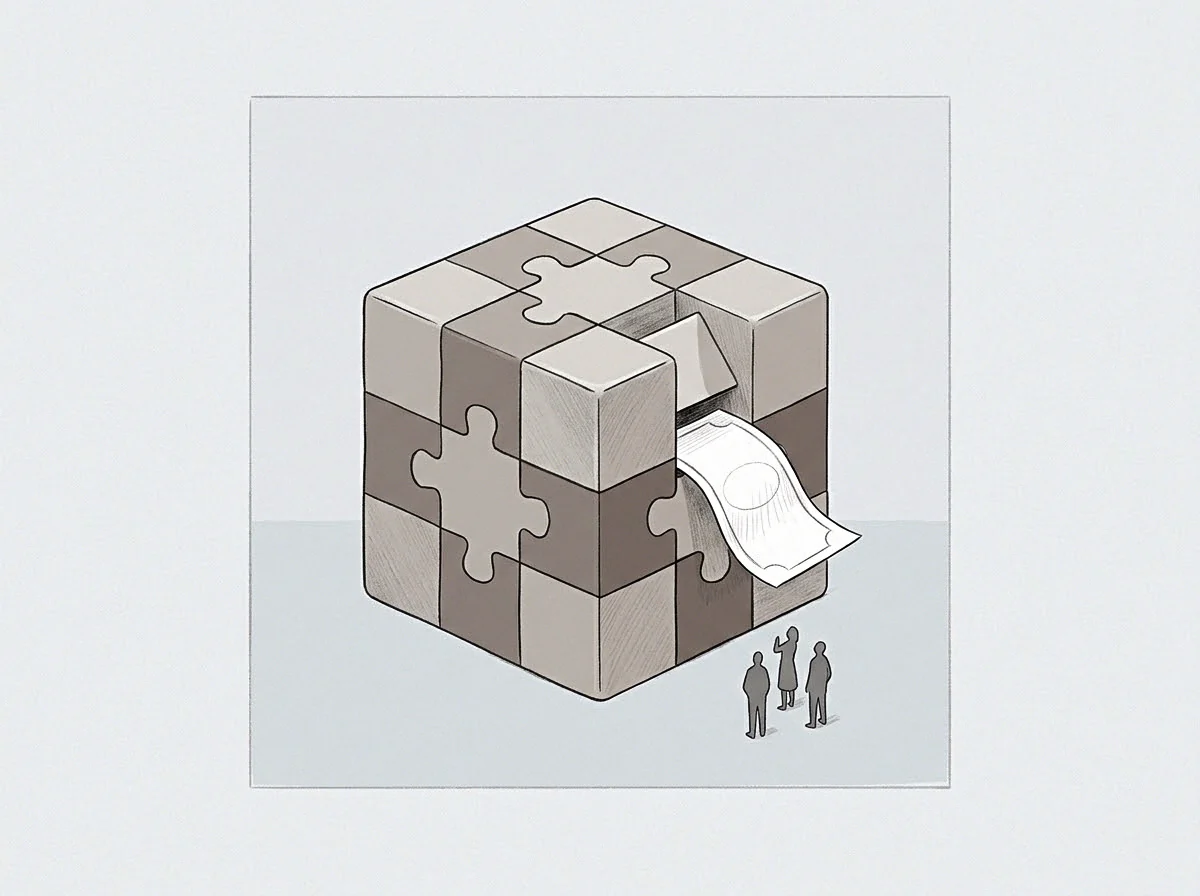
Tether
Limiting context loss requires low-friction scaffolding to anchor internal state before focus shifts. People rarely have the time or presence of mind to write detailed summaries when interrupted. Effective tools capture active context automatically or with minimal effort during the brief window before switching tasks.
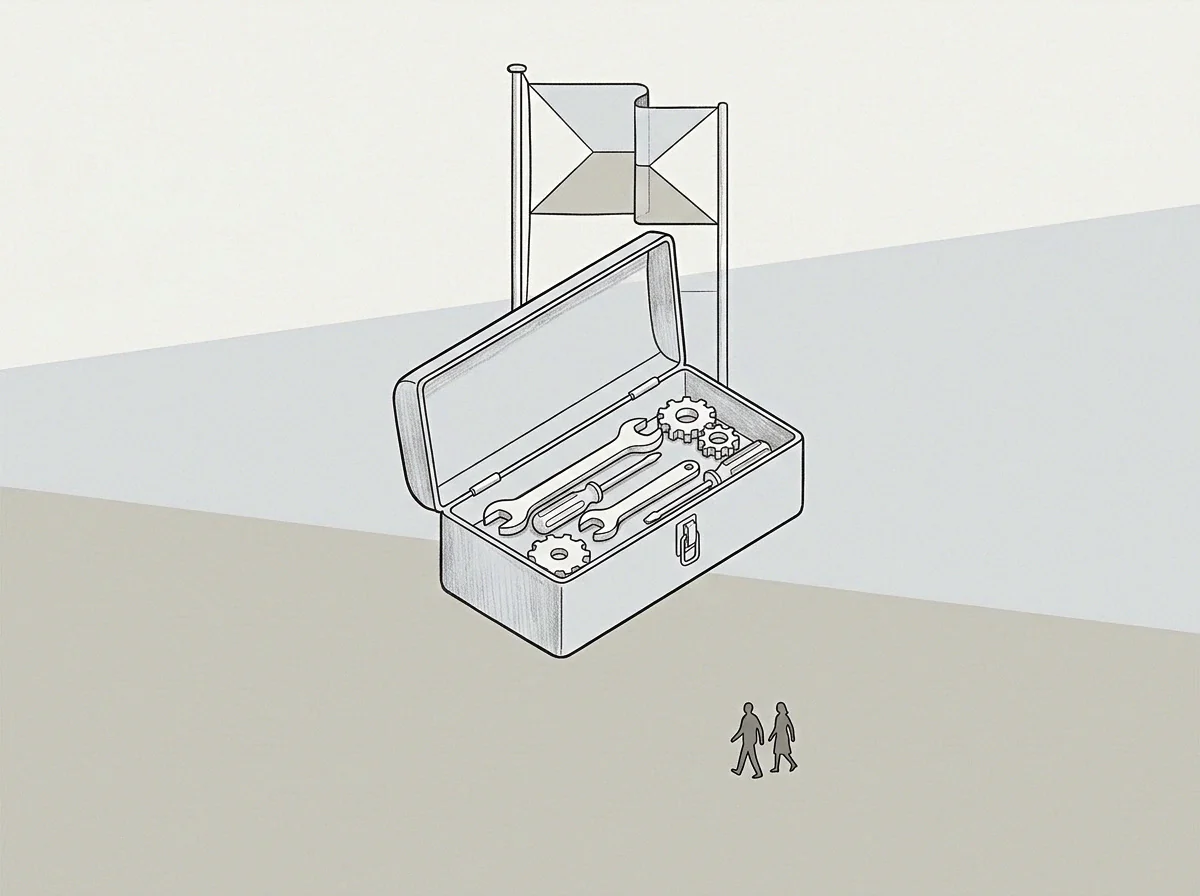
When Does Resumption Degrade Into Structural Rework?
Recovery turns into rework when an engineer misremembers an implicit constraint worked out right before the interruption. If an engineer solves an edge case mentally, answers a question, and returns five minutes later, they often assume the detail was already captured in code. The resulting implementation may pass basic checks while containing subtle logic errors, because the engineer restored the general shape of the task while losing the specific constraint that justified the fix.
Capturing working state externally prevents memory loss only if recorded before turning to a conversation.
To cut recovery time, development teams use state-retention mechanisms built directly into the local environment. These tools record active work into persistent files or markers:
- Execution bookmarks save open files, editor viewports, and terminal sessions into a single profile, eliminating manual setup on return.
- Intention comments place temporary TODO notes at the cursor specifying the next planned edit, preventing guesswork when work resumes.
- Failing test markers leave a failing test assertion for the next small increment of progress, providing a clear entry point upon return.
The setup cost of these tools is minor, but the operational challenge lies in habit. Dropping an intention comment takes only a few seconds during interruption lag. If an alert demands an immediate response, the developer skips the note, breaking the chain before context is saved.
Founders who demand detailed notes during interruptions while expecting instant replies only increase mental strain. Teams cannot maintain continuous availability and deep focus at the same time.
Protocols meant to protect focus last only until leadership bypasses them for minor operational requests.
Recoil
Context switching also creates a ripple effect across a team. When members face unscheduled interruptions, their focus cycles fall out of sync. Engineer A rebuilds mental context just as Engineer B hits a blocker and reaches out.
The message breaks Engineer A’s newly recovered state, sending interruptions bouncing across the team.
Fragmented schedules push complex development into late hours, when organizational demands drop.
This dynamic produces a common paradox in software teams: commit output peaks between nine in the evening and two in the morning. Founders often mistake this late-night work for dedication, when it is simply how developers adapt to a broken daytime environment. Interruption frequencies during the day exceed the recovery threshold, making deep problem-solving difficult during normal hours.
Salaries secure meeting attendance, but complex engineering gets pushed into night shifts.
Task recovery carries several costs: hours lost to resumption lag, attention spent rebuilding mental state, bugs introduced during imperfect recovery, and energy burned in late-night catch-up sessions. Tracking commit counts hides these compounding costs. A company monitoring sprint velocity sees tickets moving across boards while missing the gradual decline in code health and team stamina.
The question for engineering leadership is whether an organization can schedule quiet, asynchronous blocks of deep work without losing the ability to respond to genuine client emergencies.